The Puritans did not go to America just for vague ‘religious freedom.’ Here are 5 concrete reasons they left England and what that choice changed.

The Puritans did not go to America just for vague ‘religious freedom.’ Here are 5 concrete reasons they left England and what that choice changed.

Harvard launched a major project on its ties to slavery. Within two years, key researchers quit or were fired. Here’s what happened and why it matters.

An AI startup raised $450M and a $1.5B valuation while secretly using 700 humans instead of AI. How did that look like real AI, and how is it different?
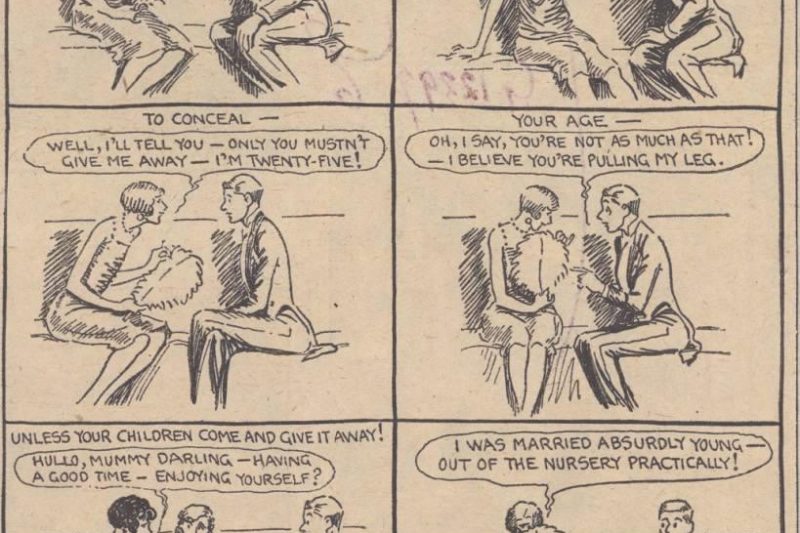
In 1926, magazines mocked “the woman who conceals her age.” Behind the joke was a real anxiety about beauty, work, and women’s new freedoms.

Elvis Presley covered songs by Black women and men whose names most listeners never heard. Here are 5 stories that show who really built rock and roll.
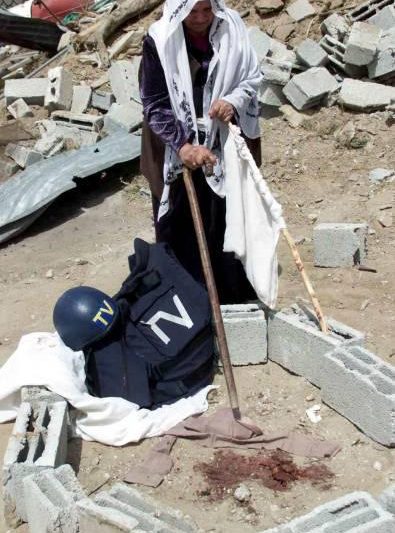
How British filmmaker James Miller was shot dead in Rafah in 2003 while filming “Death in Gaza,” what investigations found, and why no one was prosecuted.
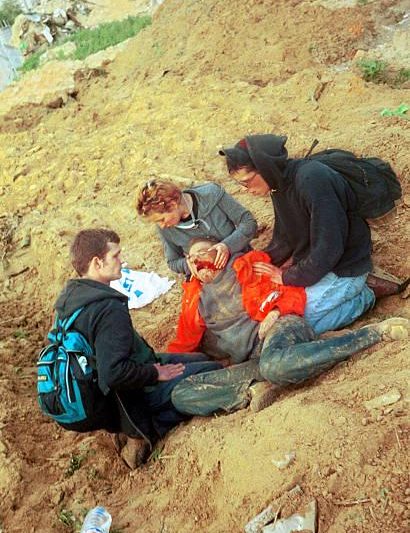
They look similar because both stood in front of armored vehicles. But Rachel Corrie and Tiananmen’s Tank Man came from different origins, methods, and outcomes.
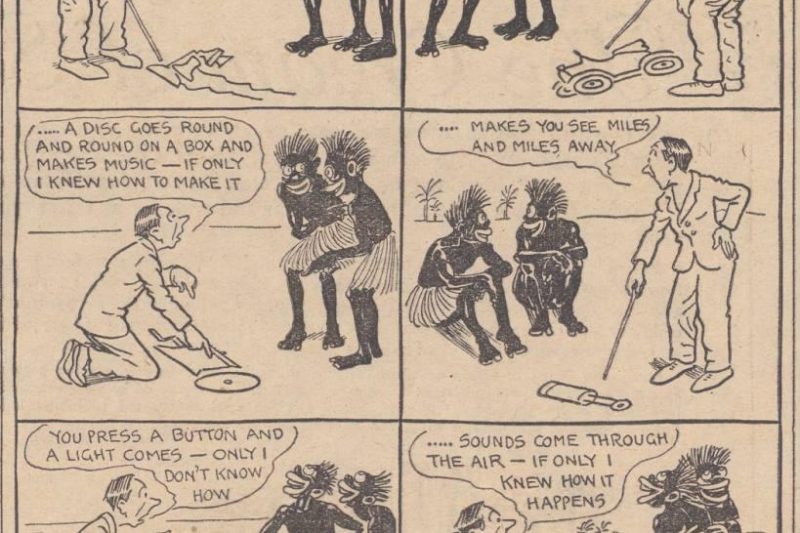
In 1926, “The Average Man Amongst Savages” captured how Western science ranked races and cultures. Here’s what it was, why it happened, and why it still matters.
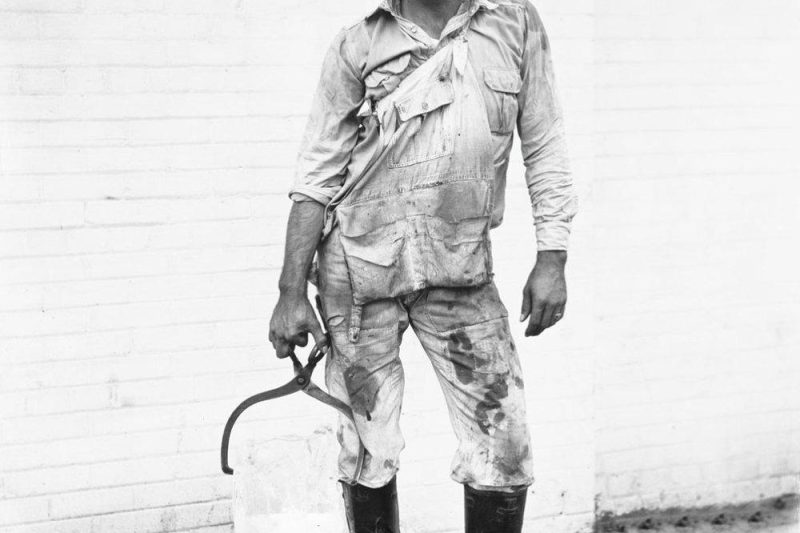
An old photo of an ice delivery man in 1920s Houston reveals a world before refrigerators: hard labor, city heat, racial lines, and the coming of modern life.
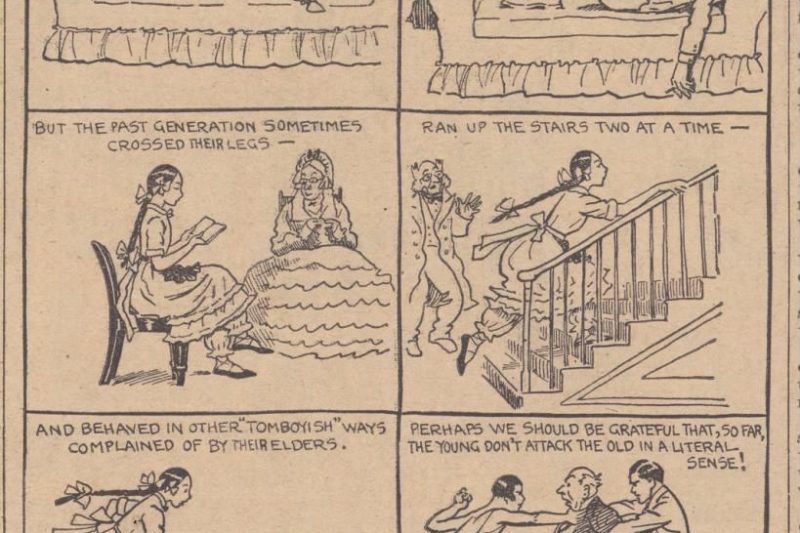
In 1926 adults raged about the “manners of the rising generation.” How did that moral panic compare to today’s complaints about rude youth and lost civility?