What did “High Hearts and High Heels” mean in 1926? Inside the flapper era of short skirts, high heels, and high hopes after World War I, and why it still matters.
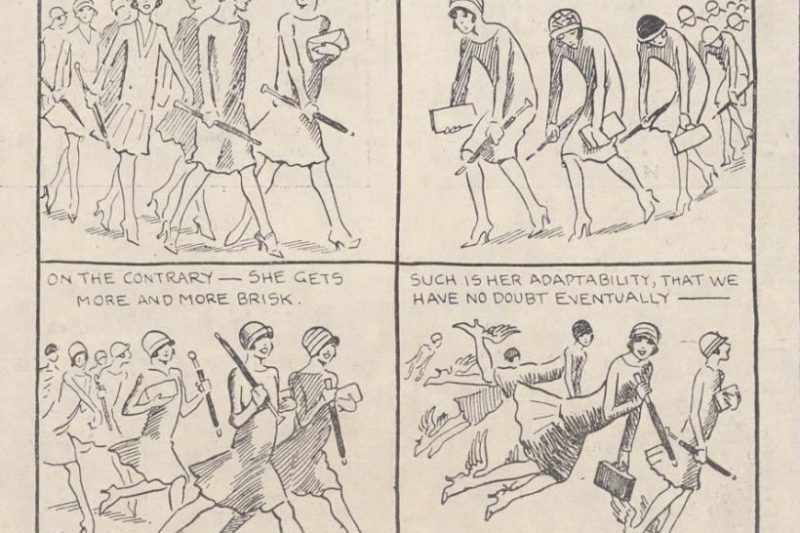
What did “High Hearts and High Heels” mean in 1926? Inside the flapper era of short skirts, high heels, and high hopes after World War I, and why it still matters.
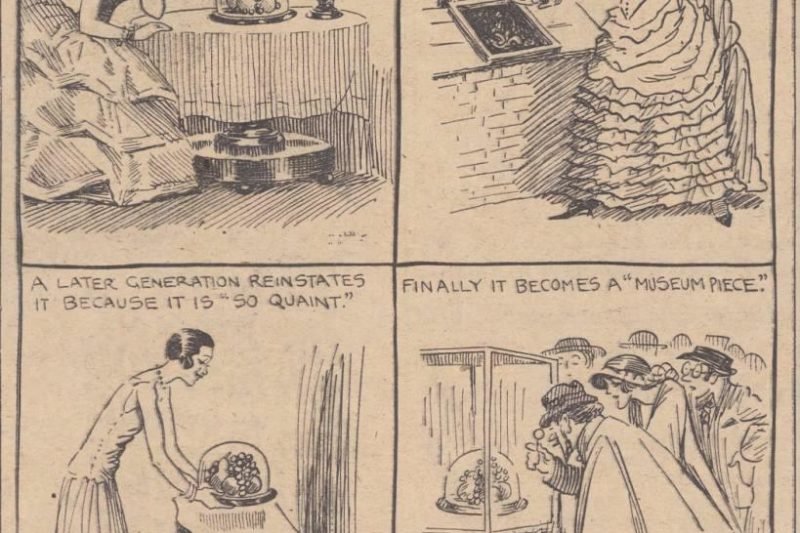
What were “Victorian objects of decoration” and why did people in 1926 mock them? A tour through cluttered parlors, status anxiety, and the birth of modern taste.
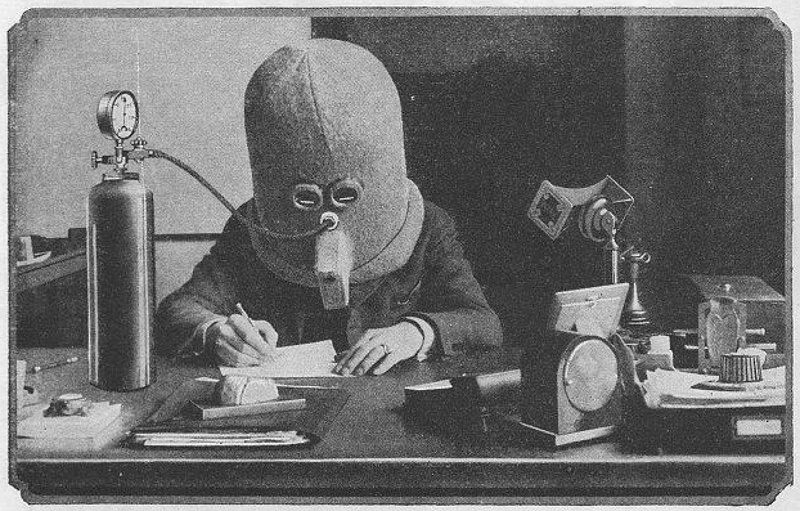
The roaring ‘20s were a time for parties, dancing and having a good time. Nestled just … Roaring ‘20s: The Strangest Inventions From The Flapper EraRead more
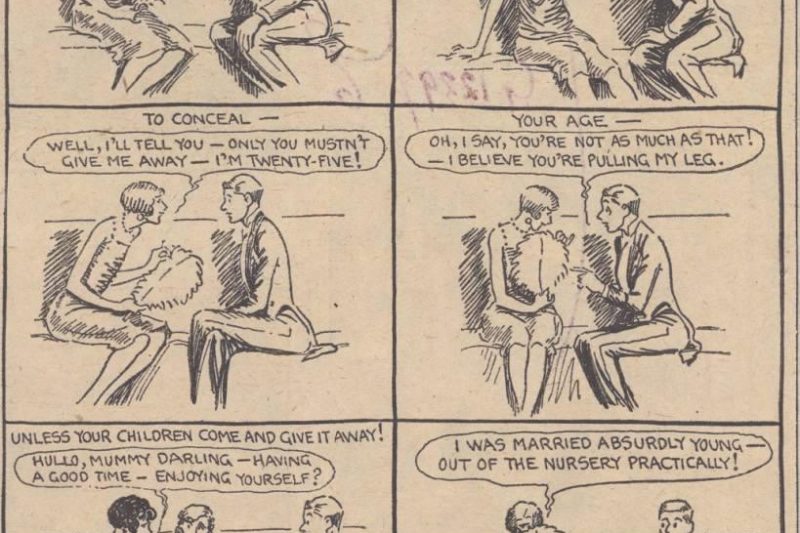
In 1926, magazines mocked “the woman who conceals her age.” Behind the joke was a real anxiety about beauty, work, and women’s new freedoms.
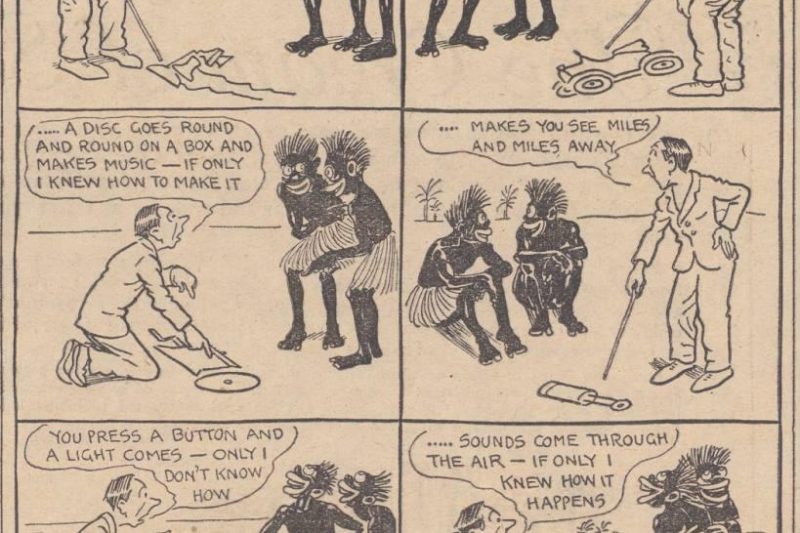
In 1926, “The Average Man Amongst Savages” captured how Western science ranked races and cultures. Here’s what it was, why it happened, and why it still matters.
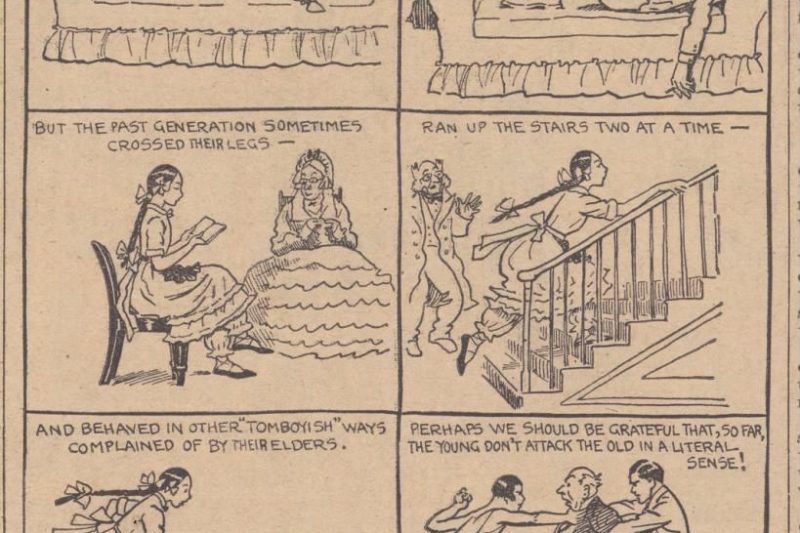
In 1926 adults raged about the “manners of the rising generation.” How did that moral panic compare to today’s complaints about rude youth and lost civility?
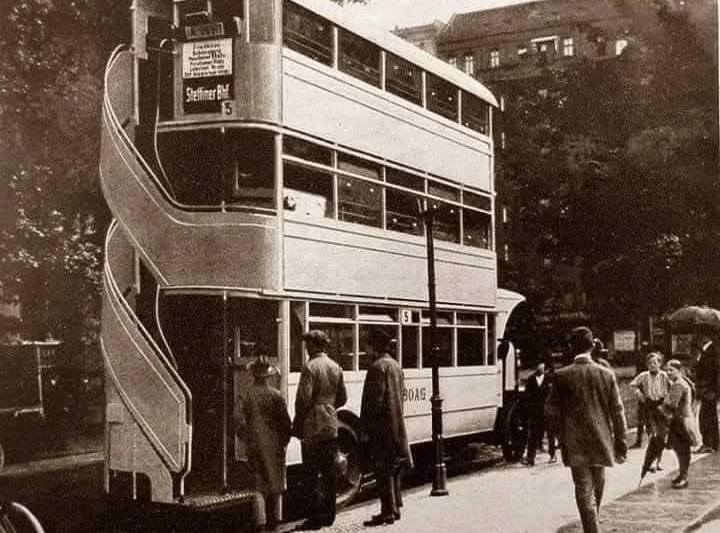
In 1926 Berlin tested a three-decker bus. How did it work, why did it fail, and how do those giants compare to today’s double-decker buses and BRT systems?
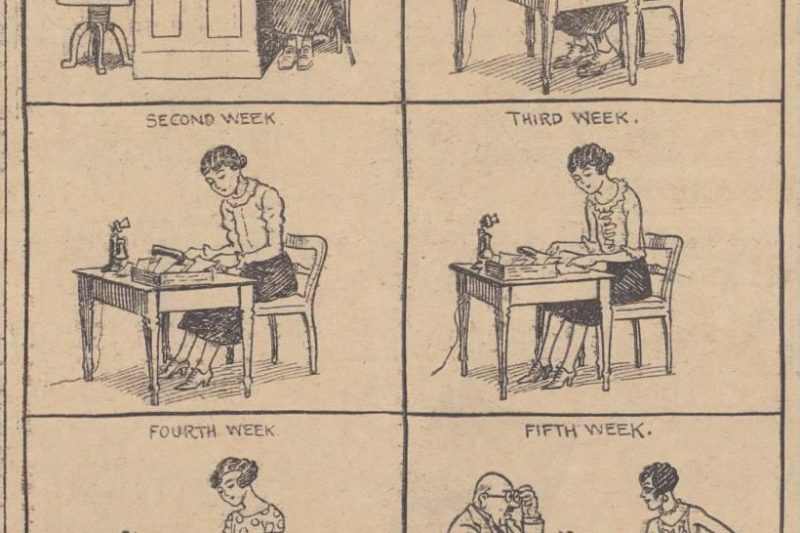
What was “The Difficulty of Securing a Plain Girl” in 1926 really about? Five things this odd phrase reveals about dating, beauty, and gender a century ago.
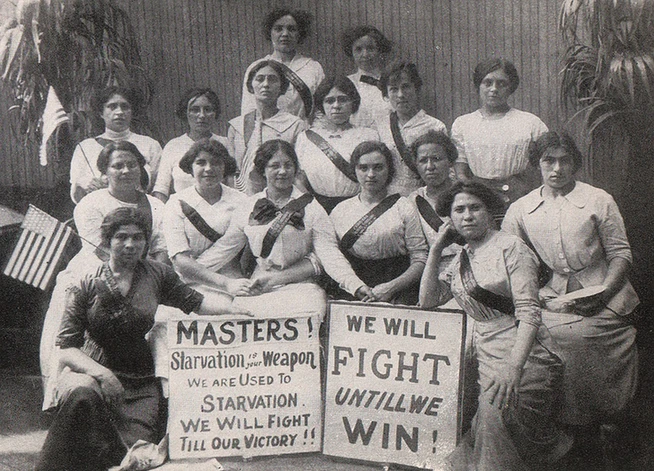
In 1926, mostly women fur and leather workers in New York won a 10% raise and a 5‑day week. What if that strike had failed? Three grounded what‑if scenarios.
Why do 1920s street scenes look familiar yet wrong to modern eyes? A comparison of early car-era traffic and today’s road rules, methods, outcomes, and legacy.