On a spring evening in 1926, a young woman in a bobbed haircut and a beaded dress stepped off a city tram. Her hemline swung at her knees. Her heels clicked on the pavement. A man on the corner muttered that girls were getting shameless. She laughed, lit a cigarette, and walked into a jazz club anyway.
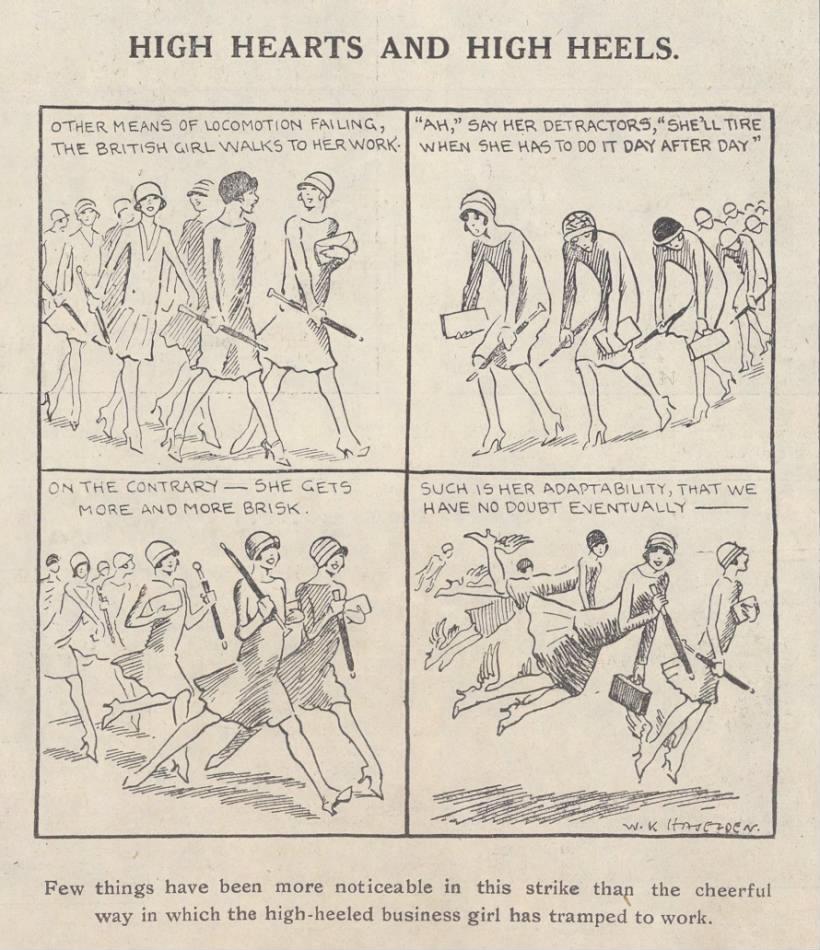
That clash — between the clicking heels and the muttering man — is what people in the 1920s meant when they talked about “high hearts and high heels.” It was shorthand for a new kind of woman: confident, visible, and not especially interested in asking permission.
“High hearts and high heels” in 1926 captured the flapper era in one neat phrase. It meant short skirts, higher heels, and a higher sense of freedom for young women after World War I. It was about fashion, but it was also about work, sex, politics, and the right to have fun.
By the end of this story, that phrase will look less like a cute caption and more like a small cultural revolution in four words.
What did “High Hearts and High Heels” mean in 1926?
The phrase “High Hearts and High Heels” was not a formal movement or an organization. It was a catchy way writers and advertisers in the mid‑1920s described the new, modern young woman: optimistic, independent, and physically lifted on taller heels.
In 1926, the typical image would have been a flapper. Short bobbed hair. A straight, drop‑waist dress that ended at or just below the knee. Silk stockings. Heels two or three inches high. A compact in her handbag and maybe a hip flask if she was feeling bold.
High heels had existed long before, of course. Aristocratic women in the 18th and 19th centuries wore them. But in the 1920s, heels became part of everyday urban fashion for young middle‑class women. They were sold in department stores, advertised in magazines, and linked to a new idea of youth and modernity.
“High hearts” was the moral and emotional side of the phrase. It suggested cheerfulness, courage, and a refusal to be weighed down by old rules. After a world war and a pandemic, that mattered. A woman with a “high heart” was not just happy. She was defiant.
So when you see a 1926 caption like “High Hearts and High Heels” under a photograph of laughing young women, you are looking at a compressed slogan for the flapper generation: higher shoes, higher hemlines, higher expectations for life. That definition matters because it turns what looks like a fashion joke into a snapshot of a wider social shift.
What set it off? War, work, and a generational break
The high heels of 1926 did not appear out of nowhere. They were the end product of a decade of upheaval.
First came World War I (1914–1918). Millions of men went to the front. In Britain, France, the United States, and elsewhere, women took their places in factories, offices, and transport. They worked as streetcar conductors, munitions workers, typists, and nurses. They earned wages, handled machines, and got used to moving through public space without male chaperones.
Then came the flu pandemic of 1918–1919. It killed tens of millions worldwide. Young adults were hit especially hard. If you were a teenager in 1918, you watched friends and siblings die quickly and randomly. That left a mark. Many survivors carried a sense that life was short and rules were negotiable.
At the same time, women’s suffrage movements were finally winning. American women gained the vote nationwide in 1920. British women over 30 got it in 1918, then on equal terms with men in 1928. Other countries followed in the 1910s and 1920s. The message was simple: women were citizens, not dependents.
There was also money. The 1920s in the United States and parts of Europe were years of economic growth. Mass production made ready‑to‑wear clothing and shoes cheaper. Department stores and mail‑order catalogs put fashion in reach of clerks and shopgirls, not just the rich.
Hollywood and the new mass media did the rest. Film stars like Clara Bow and Colleen Moore wore short dresses and heels on screen. Magazines printed their photos. Young women copied them. The flapper look spread from cities to smaller towns, sometimes to the horror of parents and pastors.
So the root causes of “high hearts and high heels” were war, disease, new political rights, rising incomes, and the spread of mass culture. The phrase only makes sense against that backdrop of trauma and opportunity. That matters because it shows that the high heel was not just a style choice. It was a symptom of a world that had been violently rearranged.
The turning point: When hemlines rose and morals panicked
If you want a turning point, look at women’s hemlines between about 1910 and 1926.
Before World War I, respectable skirts brushed the ankles. During the war, practicality pushed them up a bit. You could not run a lathe or climb on and off a tram in a floor‑length skirt. By 1918, mid‑calf was common in cities.
Then the 1920s hit. By 1925–1926, fashion plates and photographs show skirts at or above the knee for young women in Western cities. This was shocking at the time. Knees had been private body parts. Now they were out on the street.
High heels made the effect more dramatic. A higher heel changed posture and gait. It made the calf more defined. It drew the eye to the legs. Combined with rolled stockings and shorter skirts, it created what moralists called “the cult of the leg.”
There was backlash. Clergy preached sermons against “immodest dress.” School principals sent girls home for short skirts. Some cities tried to regulate hemlines, though enforcement was spotty and often mocked. Newspapers ran cartoons of horrified old ladies watching girls in high heels totter past.
Yet the trend held. The more older generations complained, the more the style symbolized youth and rebellion. By the mid‑1920s, a young woman could signal that she was modern simply by cutting her hair, shortening her skirt, and putting on heels.
That tipping point, when a few inches of fabric and leather turned into a full‑blown moral panic, matters because it shows how visible the change was. You did not need to read political pamphlets to see that gender norms were shifting. You just had to look at a city sidewalk in 1926.
Who drove it? Flappers, designers, and the women in between
No single person “invented” high hearts and high heels. It was a cultural current. But some figures pushed it along.
Fashion designers helped shape the look. In Paris, Coco Chanel promoted simpler, straighter dresses and a boyish silhouette. Her designs worked well with shorter skirts and higher heels. Jeanne Lanvin and Jean Patou also cut hemlines and designed clothes for active, sporty women.
In the United States, shoe manufacturers saw an opportunity. Companies like I. Miller & Sons in New York advertised stylish pumps and T‑strap heels to young working women. Department stores created shoe departments aimed specifically at the new female consumer who had her own wages to spend.
Hollywood gave the style faces. Clara Bow, known as the “It Girl,” embodied the flapper: short hair, expressive eyes, and a playful, sexually confident manner. Colleen Moore’s 1923 film “Flaming Youth” helped fix the image of the fast, modern girl in the public mind. Their on‑screen wardrobes, including heels, were copied around the world.
Writers and illustrators added the slogans. Humor magazines and newspapers ran cartoons of flappers with captions about “high hearts” and “high heels.” Advertisers borrowed the language to sell everything from shoes to soap. The phrase captured a mood, so it spread.
But the real drivers were ordinary young women born around the turn of the century. They were the ones who cut their hair, bought the shoes, and wore them to offices, dance halls, and cinemas. Many lived in boarding houses or with family. They navigated low wages, harassment, and social judgment. Yet they kept wearing the clothes they liked.
Some were not flappers in the wild sense that newspapers loved to exaggerate. They did not drink heavily or sleep around. They simply wanted comfortable, modern clothes and a bit of fun after work. High heels and shorter skirts were their way of saying they belonged to the new era.
Focusing on these women matters because it reminds us that cultural change is not only made by famous designers or film stars. It is made by millions of small, daily choices, like buying a pair of shoes that your grandmother thinks are scandalous.
What did it change? Work, sex, and the public woman
On the surface, “high hearts and high heels” changed wardrobes. Underneath, it changed how women moved through the world.
First, work. By the mid‑1920s, clerical work had become feminized. Offices were full of typists, stenographers, and receptionists, many of them young women. The flapper look, including heels, became office wear. That blurred the old line between “respectable” working women and “fast” girls. You could be both a wage earner and fashion‑conscious.
Second, public space. High heels and shorter skirts made women more visible in streets, shops, and entertainment venues. They went to jazz clubs, dance halls, and cinemas without male escorts. They smoked and drank in public in some cities. This visibility challenged the older idea that respectable women belonged mainly in the home or in carefully supervised outings.
Third, sexuality. The flapper image suggested a more relaxed attitude toward dating and sex. Not all young women lived up to the stereotype, and many still followed strict codes. But the idea that a young woman might choose her own partners, enjoy kissing and petting, and perhaps have premarital sex without being ruined forever, gained ground.
High heels played a small but symbolic role in this shift. Critics saw them as sexualized. Supporters saw them as stylish and fun. Either way, they were part of a larger conversation about women’s bodies and who controlled them.
There were limits. Married women often faced pressure to give up the flapper style and settle into more traditional roles. Working‑class and non‑white women did not always have the same freedom to experiment without harsher judgment or economic risk. Rural areas changed more slowly than big cities.
Still, by 1926 the image of the modern girl in high heels had become a global symbol, from New York to Berlin to Tokyo. That mattered because it normalized the idea of the young, independent woman as a social type, not an exception.
Why “High Hearts and High Heels” still matters
Today, a photo from May 14, 1926 labeled “High Hearts and High Heels” can look quaint. The heels are modest by modern standards. The dresses are loose. The women might be on their way to a tea dance, not a nightclub.
But the phrase still matters for two reasons.
First, it shows how fashion and freedom are linked. A few inches of heel and hem became shorthand for a whole bundle of changes: women’s work, voting rights, new sexual norms, and a different relationship to pleasure and risk. When people argue today about what women wear — from crop tops to hijabs — they are often arguing about the same thing: who gets to decide what a woman’s body means in public.
Second, it captures the mood of a generation that had survived disaster and refused to live quietly afterward. “High hearts” were not naive. They belonged to people who had seen trenches and hospital wards and still chose jazz and lipstick. That mix of trauma and joy feels familiar in any era that comes after crisis.
So when you scroll past an old 1926 image tagged “High Hearts and High Heels,” you are not just looking at pretty shoes. You are looking at the moment when modern girlhood stepped loudly into view, heels clicking, heart high, and did not go back.
Frequently Asked Questions
What did the phrase “High Hearts and High Heels” mean in the 1920s?
In the 1920s, “High Hearts and High Heels” was a catchy way to describe the new, modern young woman. It referred to flapper-era fashion — shorter skirts and higher heels — and to a more confident, carefree attitude after World War I. It summed up a generation of women who were more visible, more independent, and less willing to follow old rules.
Were high heels invented in the 1920s?
No. High heels existed centuries earlier and were worn by both men and women in different eras. What changed in the 1920s was that high heels became everyday fashion for large numbers of young, urban women. Mass production, department stores, and film stars helped make heels a symbol of modernity and flapper style rather than a rare luxury item.
Did all women in the 1920s dress like flappers?
Not at all. The flapper look was most common among young, urban, middle‑class women. Many women, especially older, rural, or poorer women, kept more traditional clothing. Newspapers and films exaggerated the spread of flapper fashion because it made good stories. The image of “every girl” in bobbed hair and high heels was more cultural symbol than universal reality.
How did World War I affect women’s fashion and high heels?
World War I pushed women into factory and office work, which encouraged more practical, shorter skirts. After the war, those changes combined with new political rights, rising incomes, and mass media. By the mid‑1920s, hemlines had risen to the knee for many young women, and high heels became part of the flapper look. The war and its aftermath created the social and economic conditions that made the 1920s style revolution possible.