They look similar because, at first glance, a wedding in 1939 and a wedding today are built on the same visual script: white dress, dark suit, flowers, posed photo, slightly nervous smiles. A Reddit post of “My grandparents on their wedding day, April 29, 1939” could almost pass for a modern shot if you squint and ignore the lapels and the film grain.
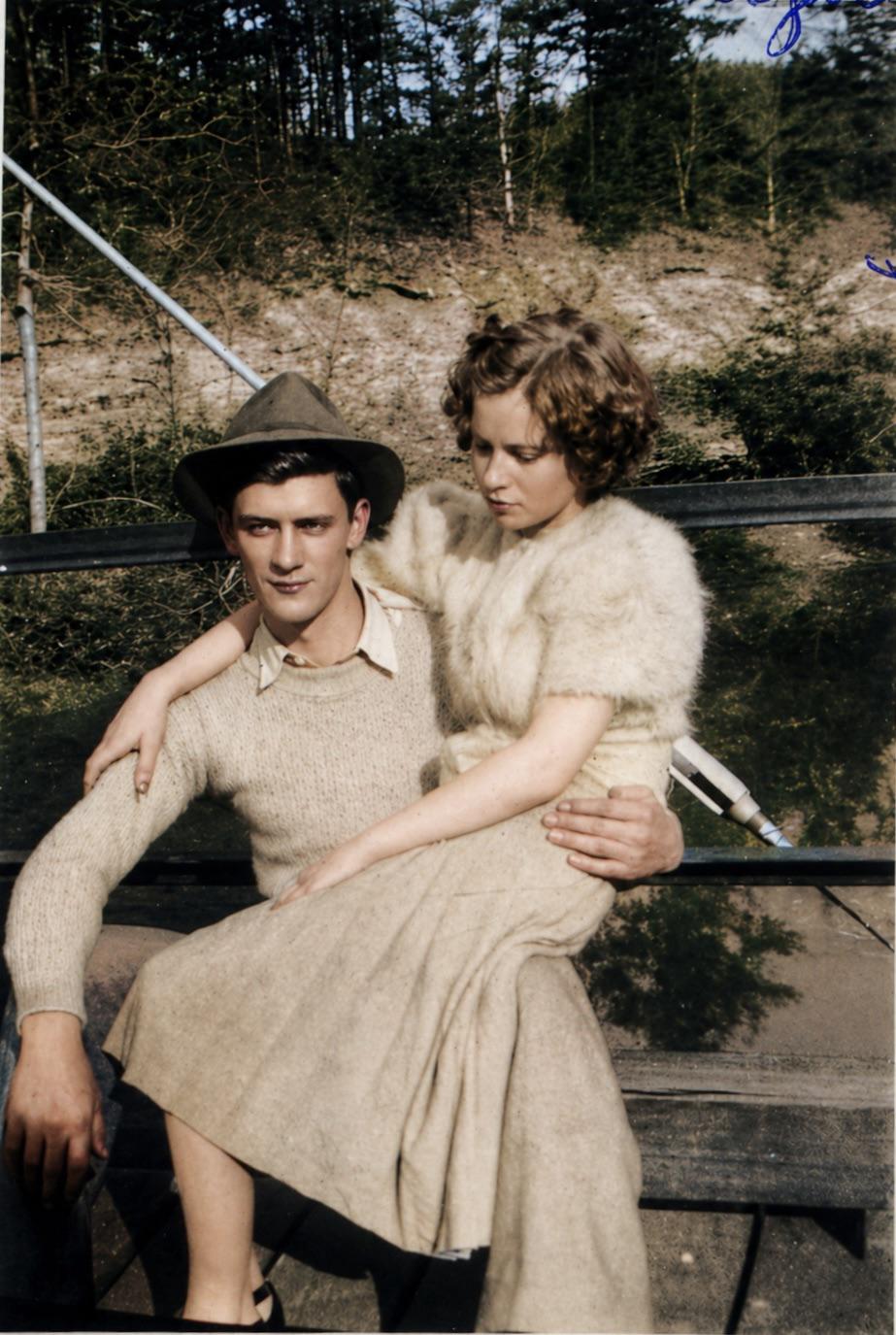
But that familiar look hides a very different world. A 1939 wedding sat on the edge of world war, in the tail of the Great Depression, with gender rules and legal structures that would feel foreign now. By the end of this story, you will see how weddings in 1939 and weddings today can look alike in photos while operating on almost opposite assumptions about love, money, and the future.
A traditional Western wedding is a public ritual that marks a private contract. The visual language has stayed surprisingly stable. The meaning under it has not.
Origins: Why people married in 1939 vs why they marry now
Picture that April 29, 1939 couple. They are marrying just months before Germany invades Poland and World War II begins in Europe. In the United States, the Depression is easing but not gone. In Britain, rationing is on the horizon. In much of Europe and North America, marriage is still the expected, almost default, adult path.
In 1939, people married younger and more universally. In the United States, the median age at first marriage hovered around 23 for men and 20 for women. In Britain it was similar. Remaining single for life was unusual and often pitied. Marriage was not just about romance. It was a social and economic anchor: a way to form a household, pool labor, and fit into a community that assumed “Mr. and Mrs.” as the norm.
Religion framed the origins of most 1939 marriages. Church weddings were standard in Catholic and Protestant communities. Even civil ceremonies borrowed church-like structure: vows, witnesses, formal clothing. Divorce existed but carried heavy stigma, especially for women. In many places, a woman’s legal identity still blurred into her husband’s on marriage, through doctrines like coverture or similar practices.
Today, the origin story is different. People still marry for love, but they do it later and less often. In the United States, the median age at first marriage is now around 30 for men and 28 for women. Cohabitation without marriage is common. In several Western countries, a large share of children are born to unmarried parents. Marriage has shifted from “entry into adulthood” to “capstone of adulthood,” something people do after education, early jobs, and often after living together.
Religion plays a smaller role in many places, especially in Europe and parts of North America. Civil ceremonies, outdoor weddings, and personalized vows have grown. Same-sex marriage, illegal and often unthinkable in 1939, is now recognized in many countries. That change alone signals how different the basic idea of who can marry has become.
So what? The couple in the 1939 photo likely saw marriage as the expected foundation of adult life, while many couples today treat it as a chosen, sometimes optional, milestone, which reshapes who marries, when, and why.
Methods: How weddings were planned and performed then vs now
Look closely at a 1939 wedding photo and you will probably see a simpler scene than most modern Pinterest boards. The bride’s dress is likely long and modest, often with sleeves and a higher neckline. The groom wears a dark suit or morning coat. Flowers are present but not overflowing. There might be one or two attendants, not a dozen.
The methods of planning were constrained by money, technology, and norms. In 1939, many couples married in their local church or registry office, then held a small reception at home, in a church hall, or in a modest rented space. Professional wedding planners were rare. Families, especially mothers and female relatives, did the organizing. Food might be prepared at home. The idea of a destination wedding would have sounded like a joke to most people, especially as international travel was expensive and war clouds gathered.
There was also a legal and bureaucratic method that shaped everything. In many countries, women lost or merged legal rights upon marriage. Married women often could not easily own property in their own name, sign certain contracts, or keep their own wages without their husband’s involvement, depending on the jurisdiction. Birth control was limited and often restricted by law or custom. That meant the wedding ceremony was, in practice, the starting gun for pregnancy expectations.
Today, the methods are almost industrialized. The modern wedding industry in the United States is worth tens of billions of dollars a year. There are venues that exist only for weddings, vendors who specialize in them, and a whole online ecosystem of inspiration and pressure. Couples hire planners, photographers, videographers, florists, DJs, caterers, and sometimes social media managers.
Technology has reshaped the day. In 1939, a single photographer, if any, might attend, using a bulky camera and black-and-white film. Poses were formal because exposures were slower and film was expensive. Today, everyone has a camera in their pocket. Professional photographers shoot hundreds or thousands of frames, plus drone footage and instant Instagram posts. The ceremony is often tailored for the photos as much as for the vows.
Legal methods have changed too. In many countries, marriage is now a partnership between two legal individuals with separate property rights. Prenuptial agreements are common. Contraception access means the wedding no longer automatically signals the start of childbearing. Same-sex couples follow similar planning patterns, but their legal recognition is new, built through late 20th and early 21st century court cases and legislation.
So what? The 1939 couple’s wedding methods were bounded by law, money, and limited technology, while modern methods are shaped by a vast industry and digital tools, which turns a once-local family rite into a customizable, often commercial production.
Outcomes: What marriage led to in 1939 vs what it leads to now
For the grandparents in that Reddit post, the wedding day was the beginning of a life that would likely include war, rationing, and rapid social change. If they were in Europe, the groom might have been called up for military service within months or a few years. If in North America, he might have enlisted or been drafted after 1941. Many 1939 brides spent early married years alone or with young children while husbands were away.
The expected outcome of marriage in 1939 was a gendered division of labor. The husband worked outside the home. The wife managed the household, children, and often unpaid or low-paid family work. In many places, married women were discouraged or even barred from certain jobs. The “marriage bar” in some Western countries pushed women out of teaching, clerical work, and other fields once they wed.
Divorce was rare and stigmatized. In the United States, the divorce rate did rise in the 1940s, partly due to wartime strain, but it was still far below late 20th century levels. In Catholic countries, legal divorce was often impossible. Couples were expected to endure unhappy marriages, especially if they had children.
Economically, marriage in 1939 often improved a man’s status and constrained a woman’s. A husband gained a homemaker and social respectability. A wife gained some financial security but lost legal independence. Her survival and social standing were tied to his earnings and behavior.
Today, the outcomes are more varied. Many couples are dual earners. In some countries, dual-income households are the norm, not the exception. Women’s labor force participation has risen dramatically since the mid 20th century. Laws against employment discrimination and for equal pay, while imperfectly enforced, have changed the expectations of what a married woman’s life looks like.
Divorce is far more common and socially accepted. In many Western countries, no-fault divorce laws introduced in the late 20th century made it easier to end a marriage without proving wrongdoing. That has created a world where marriage is less permanent but often more voluntary. People leave bad marriages more readily, and some never marry at all.
Same-sex couples, who in 1939 had to hide their relationships or risk criminal charges, can now marry in many places. Their outcomes include legal parenthood, inheritance rights, and social recognition that would have been unimaginable to that 1939 couple.
So what? Where a 1939 wedding often locked people into rigid gender roles and hard-to-exit unions, modern marriage outcomes are more flexible and individual, which changes the stakes of saying “I do.”
Legacy: How 1939 weddings shaped the future vs how today’s will
That 1939 wedding photo on Reddit is not just a sweet family moment. It is a fragment of a much larger story. Couples who married in 1939 went on to raise the generation that fought in or grew up during World War II, then the baby boom generation that reshaped politics and culture in the 1960s and 1970s.
The legacy of 1939 marriages is visible in law and custom. Postwar social policy in many countries assumed a male breadwinner and female homemaker model, because that is what most 1939 families looked like on paper. Housing design, tax codes, and social insurance systems were built around that nuclear family ideal.
At the same time, the frustrations inside those marriages helped fuel later change. Women who had worked during the war and then been pushed back into the home, or who felt trapped in unequal marriages, became part of the mid-century feminist movements. Their daughters and granddaughters pushed for legal reforms on divorce, property, and employment.
The visual legacy is strong too. Modern weddings copy the look of mid 20th century weddings more than they copy, say, medieval ones. White dresses only became standard after the 19th century, popularized by Queen Victoria. By 1939, that look was entrenched. When people today imagine a “classic” wedding, they are often picturing something that could have been photographed in the late 1930s or 1950s.
Today’s weddings will leave a different legacy. Massive digital archives of photos and videos will give future historians and descendants a much richer, if more curated, record. Legal recognition of same-sex marriage will change family trees and inheritance patterns. Later marriage and lower birth rates in many countries will shape demographics and social policy.
There is also a legacy of expectation. The modern wedding industry, with its high costs and elaborate standards, can put pressure on couples who feel they must match a certain level of spectacle. That is a different kind of constraint than the legal and economic limits of 1939, but it still shapes how people experience the ritual.
So what? The 1939 wedding helped cement a mid-century model of family life, while today’s weddings are laying down a record of more diverse, negotiated forms of partnership that will guide how future generations think about love and law.
Why 1939 and modern weddings look alike in photos but not in meaning
So why does that Reddit photo feel familiar? Because the visual grammar of Western weddings changed slowly. White dress, veil, bouquet, dark suit, boutonniere, posed couple. These elements were already standard by 1939 and remain standard now. The camera captures continuity more easily than it captures context.
What the camera does not show is that the 1939 bride might have had to quit her job after marriage, that she had limited access to birth control, that divorce could ruin her reputation, and that war might soon separate her from her husband. It does not show that the law likely treated her husband as the default head of household in a way that would be illegal in many places now.
In a modern photo with the same pose, the couple might both keep their surnames or choose a new one. They might both work full-time. They might delay having children or decide not to have any. They might be two men or two women. If the marriage goes badly, they can leave with legal protections that did not exist in 1939.
Weddings are rituals that compress a society’s values into a single day. The costumes and props stay familiar, because tradition likes repetition. The rules underneath them change with law, economics, and social movements.
So what? The similarity of the images hides the transformation of marriage from a near-universal, rigid institution in 1939 to a more flexible, chosen partnership today, which is why a single Reddit photo can feel timeless and completely time-bound at once.
Frequently Asked Questions
Why do old wedding photos from the 1930s look so similar to modern ones?
Because the basic visual script of Western weddings was already in place by the 1930s. White dresses, veils, bouquets, dark suits, and formal poses were standard by 1939 and have changed only in details like cut, fabric, and styling. What has changed far more are the legal rights, gender roles, and expectations attached to marriage, which a still photo does not capture.
Were people in 1939 forced into marriage more than today?
In 1939, social and economic pressure to marry was much stronger than it is in many countries today. Remaining single was stigmatized, especially for women, and marriage was treated as the expected route into adulthood and respectability. That does not mean people were literally forced, but the range of socially acceptable choices was narrower than it is now.
How young did couples usually marry in the late 1930s?
In countries like the United States and Britain, the median age at first marriage in the late 1930s was around 23 for men and 20 for women. That is several years younger than today, when first marriages often happen around 28 to 30. Economic hardship, social norms, and limited options for single women all pushed people to marry earlier.
What were the main differences between a 1939 wedding and a modern wedding?
A 1939 wedding was usually smaller, cheaper, and more controlled by family and religious norms. Women often lost legal and economic independence when they married, divorce was rare and stigmatized, and war and the Depression shaped expectations. Modern weddings are more varied, often more expensive, supported by a large industry, and take place in a context where both spouses usually keep separate legal identities and have more freedom to leave the marriage if it fails.