He could barely hold the pencil. The mud on his fingers had dried into a kind of armor, cracked and stiff. Somewhere along the line his handwriting had turned jagged, like barbed wire on paper. He wrote a single line home: “We went over the top yesterday. I can still hear them.”
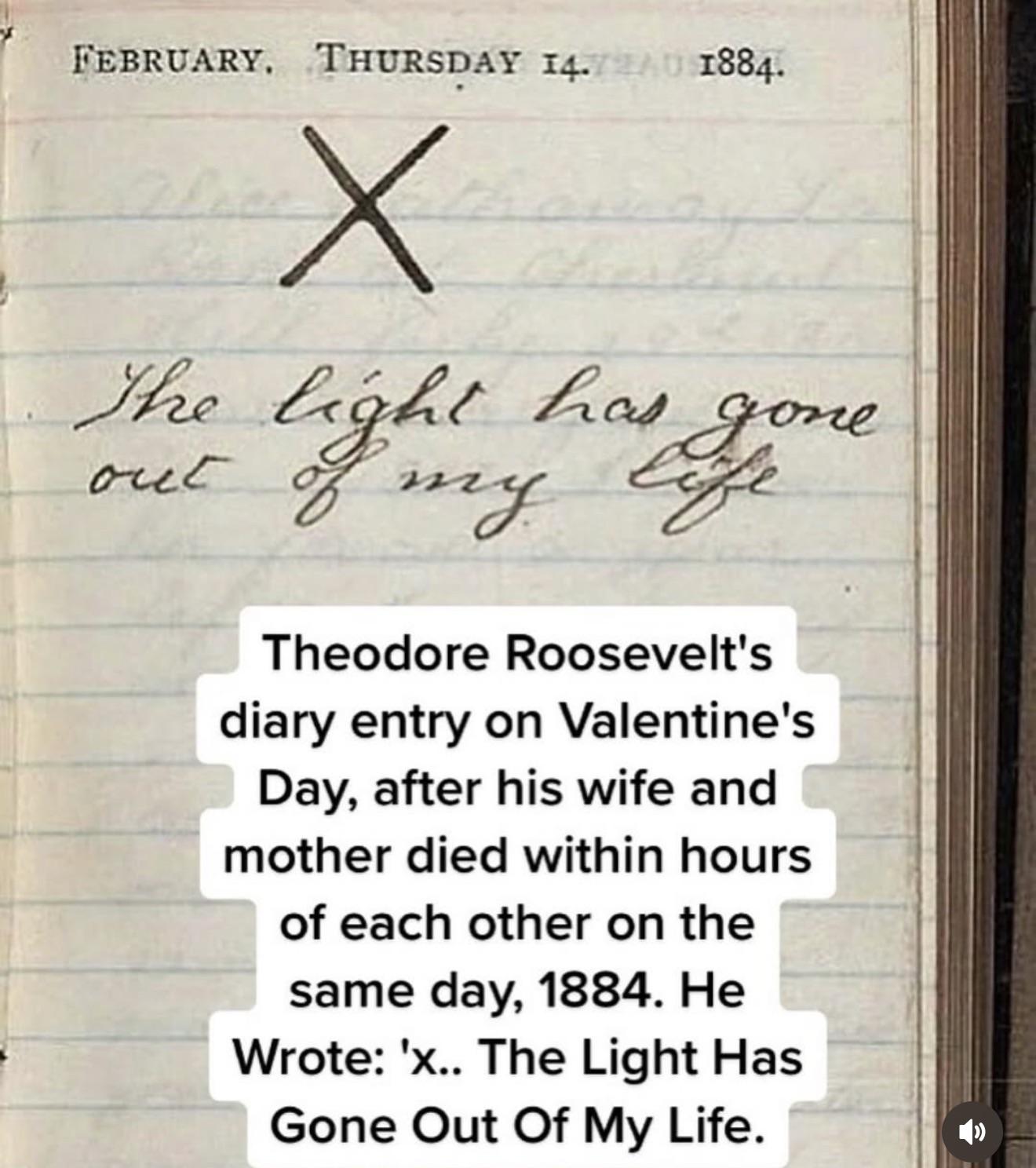
Read enough wartime letters and you start to feel the same thing Reddit users mean when they say, “You can feel the pain through the page.” A letter from a British private at the Somme in 1916 and one from a Union infantryman at Antietam in 1862 can look eerily alike. Same cramped script. Same careful reassurances. Same effort to sound brave while bleeding through the ink.
They look similar because soldiers in World War I trenches and in the American Civil War were doing the same basic thing: trying to make sense of horror for the people waiting at home. But the wars that produced those letters were very different. If you put them side by side, the similarities are emotional. The differences are historical.
World War I trench letters were handwritten notes from soldiers fighting in industrialized, static trench warfare between 1914 and 1918. American Civil War letters were personal correspondence from soldiers in a mobile, sectional war between 1861 and 1865. Both kinds of letters are raw sources that let us hear ordinary people think through war in real time.
Why do WWI trench letters and Civil War letters look so similar?
At first glance, a letter from a British private on the Western Front and a Confederate corporal outside Richmond could be cousins. Same cheap paper. Same ink blots. Same apologetic openings about bad handwriting and not having much time.
They look similar because the basic technology had not changed much. In both wars, most personal letters were written by hand with pen or pencil on whatever paper was available. Postal systems moved staggering amounts of mail, but the physical act of writing was still slow and intimate.
You also see the same emotional beats. Both WWI and Civil War letters are full of reassurances to mothers, wives, and sweethearts. “I am well,” appears again and again, even when the writer clearly is not. Both sets of letters often avoid graphic detail, or they bury it in understatement: “We had a hard day yesterday.”
That is why someone scrolling through scans of wartime letters online can feel a jolt of recognition across half a century. The pain, the effort to protect loved ones, the small talk about food and weather, all feel timeless.
But once you get past the handwriting and the shared human tricks for coping with fear, the context of the two wars pulls the letters in different directions. That difference in context is what turns similar-looking scraps of paper into very different historical evidence, so what?
Origins: Why were these letters written, and by whom?
Start with who is holding the pen.
In the American Civil War, literacy varied sharply. In the Union states, male literacy was relatively high by the 1860s, especially in New England and the Midwest. In the Confederacy, literacy rates were lower, and enslaved people were often legally barred from learning to read and write. Many enlisted men could write simple letters, but a fair number relied on “letter writers” in camp, or dictated to a literate comrade or chaplain.
The motives were mixed. Civil War soldiers wrote to reassure families, to report on health and pay, to talk about crops back home, and to argue politics. Union soldiers sometimes wrote about preserving the Union or, later in the war, about emancipation. Confederate soldiers wrote about defending their states, their homes, and a social order that, for many, included slavery. The war was civil, so the enemy might be cousins or former business partners. That bleeds into the letters.
By World War I, literacy in Europe and North America had jumped. In Britain, France, and Germany, mass schooling meant that most conscripts could write at least a basic letter. The armies were larger and more bureaucratic. Governments encouraged letter writing as a way to keep morale up. Posters and pamphlets told soldiers and families to write often.
Motives in WWI letters tilt more toward endurance than persuasion. Many soldiers were conscripts, not volunteers. They wrote to stay sane, to maintain a thread of normal life in an environment of industrial slaughter. Political arguments show up, but less often. The scale and impersonality of the war made personal survival and small comforts the main topics.
So the same act, putting words on paper, came out of different social worlds. Civil War letters are tangled up with a country arguing about what it is. WWI trench letters are the voices of mass, literate societies feeding millions of men into a machine they only half understood. That difference in origin shapes what pain they put on the page, so what?
Methods: How were the letters written, censored, and moved?
Both wars depended on mail. Without letters, the armies would have been far more brittle.
In the Civil War, mail was handled by the U.S. Post Office and Confederate postal services, with special army post offices in the field. Letters might be carried by military couriers, wagons, or trains. Delivery could be slow or chaotic, especially for Confederate soldiers as the Southern infrastructure crumbled. There was censorship, but it was inconsistent. Officers sometimes read enlisted men’s letters, and both Union and Confederate authorities worried about troop movements leaking, but there was no universal, systematic censorship regime.
That looser control shows up in the content. Civil War letters can be surprisingly frank about officers’ incompetence, desertion, or battlefield blunders. Soldiers named names and cursed generals. They described the dead in graphic terms. Some letters were intercepted, but many slipped through.
World War I was different. The British, French, and German armies all developed formal censorship systems. Officers or designated censors read outgoing mail. Certain topics were banned: exact locations, casualty figures, criticism of the war effort. In Britain, soldiers were officially told not to describe the horrors of the trenches in detail. Some armies allowed “field postcards” with preprinted phrases that could be crossed out but not altered.
That does not mean WWI letters are bland. Soldiers found ways around the rules. They used euphemisms, private codes, or simply emotional tone to convey what they could not spell out. A line like “We had a very bad time last week” could carry more weight than a paragraph of uncensored description.
The method of movement also mattered. WWI armies moved mail on a vast scale, using railways and organized field post offices. British forces alone sent and received billions of letters and parcels during the war. Regular delivery rhythms meant letters became part of trench life, almost like rations.
So while both wars relied on handwritten letters, the Civil War’s looser censorship and patchier logistics produced rawer, more uneven correspondence. WWI’s industrial mail system and censorship produced more controlled, coded pain on the page. That difference shapes how we read and trust these letters today, so what?
Outcomes: What did the letters say about combat, death, and purpose?
This is where the emotional similarity hides some sharp contrasts.
In Civil War letters, combat is often described as a series of distinct battles. Men wrote about “the fight at Shiloh” or “the great battle near Gettysburg.” They marched, camped, then fought in intense bursts. The killing was up close. Muskets, rifles, bayonets, and artillery meant you often saw the faces of the men you were shooting at, or stepping over.
That proximity shows up in the writing. Civil War letters can dwell on individual deaths. A soldier might describe holding a friend as he died, or burying a brother. They talk about the smell after battle, the piles of bodies, the sound of minie balls. Religion is everywhere. Men interpret survival and loss through Providence, God’s will, and the hope of heaven.
Purpose is debated but present. Union soldiers write about saving the Union, defending the flag, later about freeing the slaves. Confederate soldiers write about defending their homes, states’ rights, or “our way of life,” which for many meant preserving slavery. The cause is personal. The enemy is often framed as misguided countrymen, not faceless monsters.
World War I trench letters describe a different kind of killing. The Western Front in particular was static. Soldiers lived for months in trenches under constant artillery threat. Death often came from shells, machine guns, gas, or snipers you never saw. The battlefield was a churned mudscape, not a clear field with visible lines.
That creates a different emotional register. WWI letters are full of boredom, waiting, and then sudden terror. Men write about the mud, the rats, the lice, the noise of shellfire that never really stops. They describe going “over the top” into machine-gun fire, or huddling under bombardment. The enemy is often abstract. The real antagonist is the war itself.
Purpose feels more fragile. Early WWI letters sometimes echo patriotic slogans about defending Belgium, France, or the Kaiser. As the war drags on, disillusionment creeps in. Some soldiers still believe in the cause. Others write about fighting for their mates, or simply trying to get through alive. The industrial scale of killing makes individual deaths blur into statistics, which is why the rare detailed description of a single death hits so hard.
So while both sets of letters carry fear, grief, and love, Civil War letters often frame those emotions around visible battles and argued causes. WWI trench letters frame them around endurance in a machine war that feels senseless at ground level. That difference in outcome explains why the pain on the page can feel similar but comes from different kinds of trauma, so what?
Legacy: How have these letters shaped memory and myth?
Today, both kinds of letters circulate online. People share scans on Reddit and say, “You can feel the pain through the page.” But the way these letters have been used over the last century has not been the same.
After the Civil War, letters became raw material for memoirs, regimental histories, and Lost Cause mythology. Families saved letters in trunks. Veterans used them to remember comrades and to argue about what the war had been for. In the late 19th and early 20th centuries, some Southern writers cherry-picked letters to paint Confederate soldiers as noble defenders of a romantic South, downplaying slavery. In the North, letters helped feed a narrative of heroic sacrifice to preserve the Union.
In the 20th century, historians began to use Civil War letters more systematically to study soldier motivation, morale, and views on slavery and race. Collections like “The Civil War Letters of…” became standard sources. The letters helped complicate simple stories. They revealed racism in Northern ranks, class tensions in Southern armies, and the way ordinary men changed their minds about emancipation over time.
World War I letters fed a different memory. In the interwar years, British and French writers in particular used trench letters and diaries to build a picture of the war as futile slaughter. Poets like Wilfred Owen and Siegfried Sassoon drew on their own experiences and on the letters of comrades. The image of the war as “lions led by donkeys” owes a lot to the private words of men in the trenches.
Governments also used WWI letters. During the war, censored and selected letters were published in newspapers to maintain morale. After the war, published collections helped families make sense of loss. In Germany, letters from the front were later mined by different political movements to argue that the army had been “stabbed in the back” or that the war proved the madness of nationalism.
In the digital age, both Civil War and WWI letters are scanned, transcribed, and shared. That has created new problems. People sometimes misattribute letters, or strip them of context. A vivid WWI letter about shell shock might be posted as if it were from any war. A Confederate letter defending slavery might be shared without comment, or with the writer’s racism softened in the caption.
Yet the core effect remains. These letters keep the wars from turning into pure abstraction. They remind us that every statistic had a hand, an eye, and a mind behind it. The pain you feel through the page is what keeps these conflicts from becoming just maps and dates, so what?
Why the pain feels the same, and why the differences matter
Put a WWI trench letter and a Civil War letter side by side and you will see the same tricks. Jokes to hide fear. Complaints about food. Sudden, jarring mentions of death. Careful reassurances to mothers. The human brain has only so many ways to talk about terror and loss.
They look similar because both sets of writers were ordinary people trying to do an impossible thing: translate war into sentences that would not destroy the people they loved. That is why readers today, scrolling through an archive or a Reddit thread, can feel their stomach drop at a single line written 150 years ago.
But the differences matter. Civil War letters come from a society tearing itself apart over slavery, union, and identity. WWI trench letters come from industrial states feeding millions into a war of attrition. The censorship, the weapons, the politics, the scale, all shape what pain gets onto the page and what stays between the lines.
If you read them carefully, the similarities in tone tell you about the constants of human fear and love. The differences tell you how technology, politics, and ideology change the way wars are fought and remembered. Both are needed if you want to understand why a few lines on cheap paper can still hit so hard a century later.
Frequently Asked Questions
What were World War I trench letters?
World War I trench letters were handwritten messages sent by soldiers from the front lines, especially from trench systems on the Western Front between 1914 and 1918. They described daily life, fear, boredom, and combat, often in coded or understated language because of military censorship.
How are Civil War letters different from WWI letters?
Civil War letters often describe distinct battles, close-range combat, and arguments about the war’s purpose, such as Union, secession, and slavery. World War I letters focus more on life in the trenches, industrial-scale killing, and the struggle to endure a long, static, and often senseless-feeling war.
Were wartime letters censored in World War I and the Civil War?
In the American Civil War, censorship was uneven and often informal, with some officers reading soldiers’ mail but no universal system. In World War I, major armies like Britain, France, and Germany imposed systematic censorship, banning mention of locations, casualties, and open criticism of the war effort.
Why do old wartime letters feel so emotional to modern readers?
Old wartime letters feel emotional because they are unpolished, personal attempts to explain fear, loss, and hope to loved ones at home. The handwriting, understatement, and small details of daily life make the writers feel immediate and human, so readers can “feel the pain through the page” even a century later.