They look similar because both medieval and modern people link armor with power, status, and danger. A guy in full plate at a reenactment and a knight in 1400 both know the same thing: metal on your body sends a message. The question is whether that message was “hot.”
In short: medieval people did find martial display attractive, but not in the same way a Marvel costume or a leather jacket works today. Armor was expensive, dangerous to earn, and wrapped in ideas of honor, masculinity, and social rank. That shaped how “sexy” it could be.
By the end of this, you will see how medieval armor functioned a bit like a mix of a tailored suit, a sports uniform, and a luxury car. You will also see where the modern “armor is hot” fantasy matches medieval attitudes, and where it is pure 21st‑century projection.
Origins: Where did the idea of the armored body as attractive come from?
Start in a tournament field in northern France, around 1200. Trumpets. Dust. A line of knights in mail and bright surcoats, shields painted with personal arms. In the stands, noblewomen watch, gossip, and place favors on lances. The men are not just fighting. They are performing.
Armor in the high Middle Ages did not begin as a sex symbol. It began as survival gear. Mail shirts, helmets, and shields were about not dying under a spear. But from the 11th and 12th centuries, as a hereditary knightly class solidified in Western Europe, armor became a visual marker of that class. Only certain men could afford it, maintain it, and had the right to wear it.
That exclusivity mattered. A full mail hauberk and proper horse could cost more than a peasant’s lifetime earnings. By the 14th and 15th centuries, a full harness of plate was a serious investment, often custom‑fitted. Armor was wealth made visible on the body.
At the same time, courtly love literature exploded. Troubadours in southern France, then poets across Europe, spun stories where the knight’s courage in battle or tournament won him the favor, or at least the admiration, of a lady. The armor in these stories is rarely described as physically sexy. What is erotic is the courage, loyalty, and suffering that the armor represents.
So from the start, the attraction was indirect. Armor was attractive because it signaled class, bravery, and the capacity for violence under control. The metal itself was not the point. The social meaning wrapped around it was.
That origin matters because it means any “sexiness” of armor grew out of status and martial virtue, not out of exposed biceps or sculpted abs.
Methods: How did medieval people actually sexualize or admire armored men?
Medieval people did not write Reddit threads about “armor being hot,” but they left clues in poetry, romances, and chronicles about what made a fighting man desirable.
First, tournaments. By the 12th century, these were not just training for war. They were social theaters. Knights rode out in their best gear, with painted shields and crests, often in front of mixed audiences of men and women. Chroniclers and poets describe ladies watching and rewarding the bravest or most skillful. A knight might wear a lady’s sleeve or ribbon on his arm or helm. She might publicly give him a prize.
Those scenes are as close as we get to “armor as a thirst trap.” The armor is polished. The horse is caparisoned. The knight is performing dangerous, controlled violence in front of potential marriage partners or lovers. The admiration is framed as honor, but it has a real social and sometimes romantic payoff.
Second, literature. In Chrétien de Troyes’ Arthurian romances (late 12th century), or later works like the 13th‑century Lancelot-Grail cycle, women often react strongly to knights who have proven themselves in arms. They fall in love with the knight who rescues them, defends their honor, or wins a tournament. Descriptions linger on his prowess, lineage, and courtesy far more than on his bare body. The erotic charge is tied to his identity as an armed, honorable man.
Medieval romances do sometimes describe knights as physically beautiful. Fair hair, straight limbs, broad shoulders. But the armor is usually described in terms of splendor and cost: “a hauberk so fine no ring could be seen,” “a helm adorned with gold,” “a shield bright with his arms.” The text is telling you: this guy is rich, brave, and noble. That is attractive in a world where marriage is about alliances and security.
Third, art. Effigies on tombs, manuscript illuminations, and frescoes show knights in idealized armor. Plate harnesses in the 15th century are often shaped to a stylized, athletic male form. Breastplates can be gently rounded or even slightly peascod‑shaped in the later 15th and 16th centuries, exaggerating a firm torso. Some codpieces on 16th‑century armor are, frankly, not subtle.
That is not quite the same as “women thought this was hot,” but it shows armor designers and patrons cared about how the armored body looked. They wanted a certain masculine silhouette: broad shoulders, narrow waist, powerful legs. The armor turned the wearer into a walking ideal of male form, even if the actual body inside was less impressive.
So the method was indirect. Medieval culture sexualized martial identity, courage, and noble status. Armor was the costume that made those qualities visible, so it became part of the attraction.
That matters because it shows that any erotic charge around armor came from the social script of knighthood, not from a simple “metal = fetish” logic.
Outcomes: Did armor actually help men impress women or gain partners?
Here is where the comparison with modern fantasies gets sharper. Today, armor is cosplay or fiction. In the Middle Ages, armor was tied to real power, land, and violence. That changed the stakes.
For noblewomen, a man in armor was not just eye candy. He was a potential husband, ally, or threat. A knight who could afford armor and fight well was more likely to bring in ransoms, hold land, and protect a household. That made him a better match in the marriage market. Attraction and cold calculation could sit side by side.
There are scattered historical cases where a knight’s tournament fame helped his social or romantic prospects. The Burgundian court in the 15th century, for example, loved spectacular jousts. Chroniclers describe ladies awarding prizes and favoring particular champions. These events were part of court politics. Being the dazzling man in armor could translate into patronage, marriage, and influence.
On the flip side, armor also marked men as dangerous. Chronicles and legal records are full of stories where armed men terrorize towns, abuse peasants, or fight bloody feuds. For non‑elite women, an armored man might be more frightening than attractive. The same gear that made a knight look glamorous at court made him a walking hazard on a bad road.
There is also the simple fact that armor is heavy, hot, and smelly. Contemporary accounts mention men exhausted and filthy after battle or long rides. Nobody in a real 14th‑century campaign thought, “wow, that guy in mud‑spattered harness is so glamorous.” The sexy knight of romance is carefully edited reality.
So did armor help men impress women? In the right setting, yes. In a tournament or courtly environment, it could signal everything a high‑status woman might want in a partner: courage, wealth, and social rank. In daily life, it could be as much a warning sign as a turn‑on.
That outcome matters because it reminds us that attraction in the Middle Ages was entangled with security and power. Armor could open doors, but it could also close them.
Origins vs. modern fantasy: How different are our ideas about “sexy armor”?
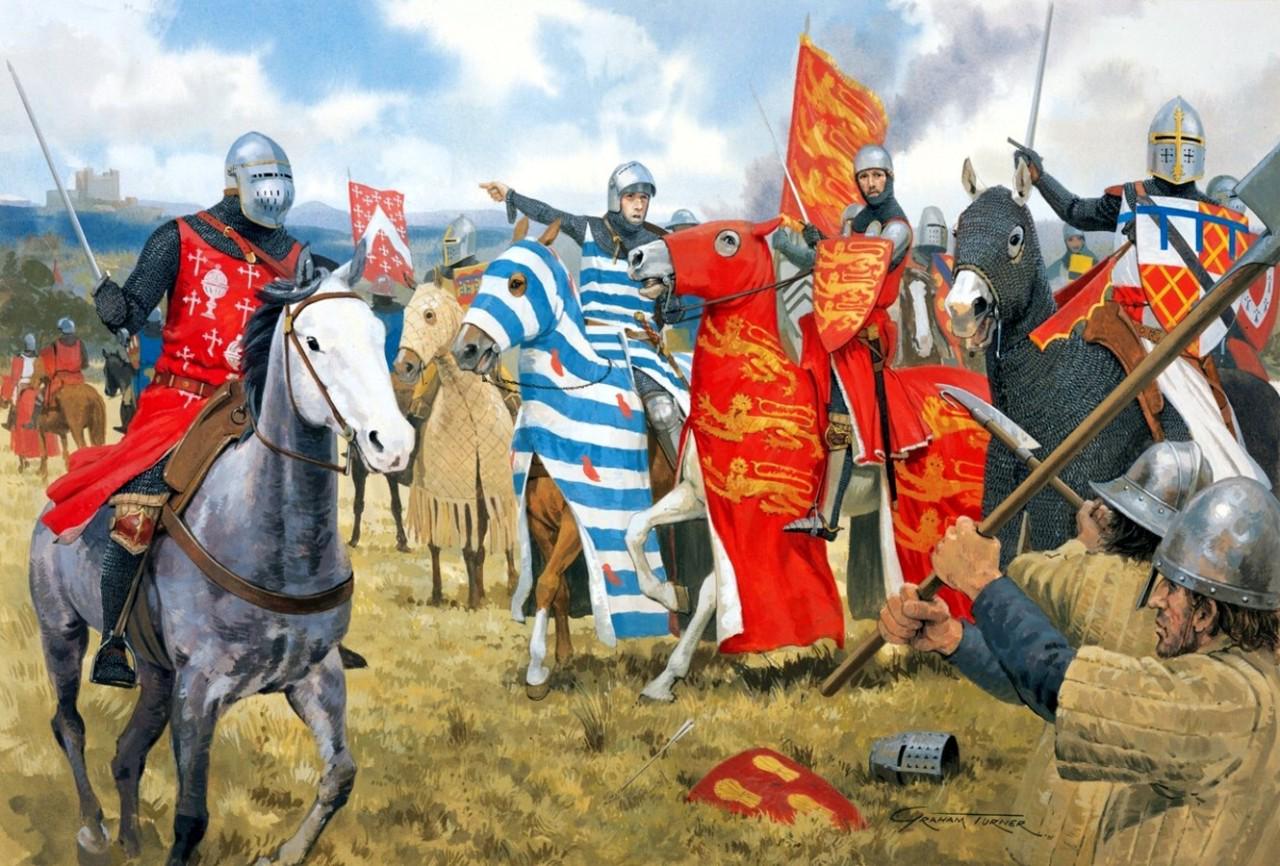
They look similar because both medieval and modern fantasies use armor to exaggerate ideals. In a Graham Turner painting or a video game, the knight’s armor gleams, fits perfectly, and never chafes. It is the same visual trick as a superhero suit: the body is perfected and protected at once.
Modern audiences, though, live in a world where armor is no longer a normal tool of elite men. That frees it to become pure symbol. When someone today says “knights in armor are hot,” they usually mean a bundle of ideas: bravery, chivalry, physical strength, and a certain old‑fashioned masculinity. The metal is just shorthand.
Medieval people did something similar, but with different priorities. For them, armor symbolized not just bravery but legal and social privilege. A knight was a tax category, a legal status, a political actor. His armor was a badge of that role. The erotic charge, when it existed, was tangled with respect and fear.
There is also a gendered twist. Modern pop culture often sexualizes armor itself, especially for women, with impractical “boob plate” and bare midriffs. Medieval armor was not designed that way. Women did not normally wear full war harness. When women are shown armed in medieval art, it is usually symbolic (like allegories of virtues) or in rare stories of cross‑dressing heroines. The sexualization is in the story, not the equipment.
So our modern idea of “sexy armor” is both continuous and broken from the medieval one. We still read armor as power and danger. We just strip away the mud, blood, and feudal paperwork.
That comparison matters because it keeps us from assuming our fantasies are timeless. Medieval people could find martial display attractive, but they did so in a world where that display had real legal and mortal consequences.
Legacy: How did medieval ideas about armor and attraction shape later culture?
The Middle Ages left a long shadow. The knight in shining armor is not a medieval phrase. It is a 19th‑century one. Victorians, especially in Britain, rediscovered medieval armor in museums and novels and turned it into a romantic symbol.
Writers like Walter Scott and painters of the Pre‑Raphaelite circle took medieval romances and rewrote them for a new audience. Their knights are morally pure, their armor gleams, and their ladies are ethereal. The messy parts of actual medieval warfare vanish. What remains is a clean, idealized image of armored masculinity in service to love.
That Victorian remix then fed into 20th‑century film, fantasy literature, and games. From Errol Flynn to The Lord of the Rings to modern RPGs, the armored hero is coded as attractive, often in a brooding, emotionally damaged way. The armor hides vulnerability. Taking it off, literally or metaphorically, becomes a romantic moment.
Ironically, this modern tradition sometimes sexualizes armor more intensely than medieval culture did. Where a 13th‑century poet cared more about a knight’s loyalty and lineage, a 21st‑century fan might care about how his pauldrons frame his shoulders.
Yet the medieval roots are still visible. The idea that risking your life in combat can make you desirable. The link between social rank, display, and romance. The sense that metal on the body is not just protection, but performance.
That legacy matters because it shapes how we imagine the past. When we picture a knight as an attractive figure in armor, we are seeing a layered image: part 13th‑century tournament, part 15th‑century plate shop, part 19th‑century novel, part Hollywood. Knowing that helps us read both medieval sources and modern fantasies with clearer eyes.
So did medieval people think armor was sexy?
If you had asked a 13th‑century noblewoman, “do you think armor is hot,” she would probably have looked at you strangely. She might say a certain knight was handsome, brave, or honorable. She might praise his skill in arms or his splendid harness. She would not separate those things the way we do.
Armor in the Middle Ages was attractive when it was attached to the right man, in the right context. A well‑equipped knight at a tournament, fighting under the eyes of the court, could absolutely impress the ladies. Not because the steel itself was inherently sexy, but because it displayed everything that made him a valuable and exciting partner.
So the honest answer is: medieval people sexualized martial status and courage, and armor was the visible skin of that status. Our modern “knight in shining armor is hot” meme is not completely wrong. It is just missing the fear, the sweat, and the very real power that made that shine matter.
Frequently Asked Questions
Did medieval women actually find knights in armor attractive?
Some did, in certain contexts. Sources from tournaments and courtly literature show noblewomen admiring knights who fought bravely in splendid armor. The attraction was usually to the man’s status, courage, and honor, with the armor as a visible sign of those traits, rather than to the metal itself.
Did medieval writers ever say that armor was sexy?
Not in those words. Medieval texts rarely describe armor as erotically appealing on its own. They praise armor as fine, rich, and splendid, and they present armed prowess as something that wins love or admiration. The erotic charge is tied to knightly identity and bravery, not to the gear as a fetish object.
Was armor in the Middle Ages designed to make men look more attractive?
Function came first, but appearance mattered. By the 14th and 15th centuries, plate armor was often custom‑fitted and shaped to an ideal male form, with broad shoulders and a narrow waist. Decorative elements and polished surfaces made the wearer look impressive and powerful, which could enhance his social and romantic appeal.
Did common people think armored knights were romantic heroes?
Not always. For peasants and townsfolk, armored men could be frightening, since they were often involved in warfare, tax collection, or local violence. The romantic knight in shining armor is mostly a courtly and later literary image, not a universal medieval view.