In 1973, a conceptual art project asked suburban Long Island women their greatest fear. Their answers capture second-wave feminism, crime panic, and quiet revolt.
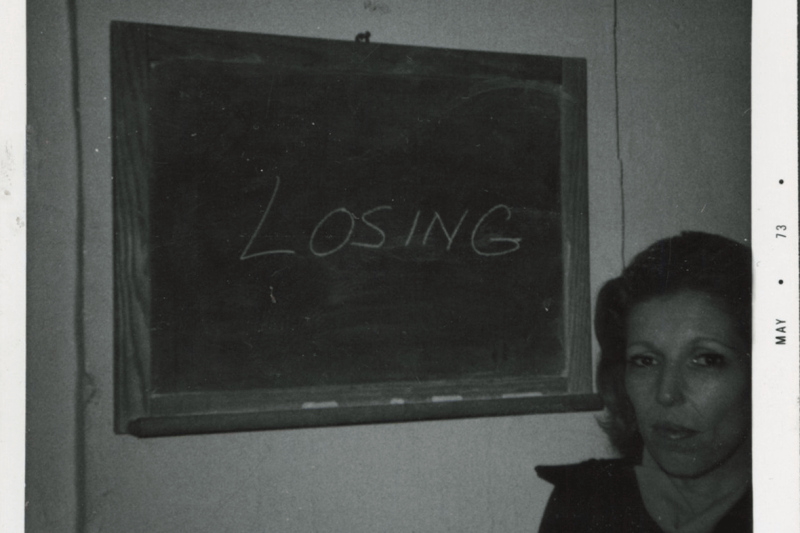
In 1973, a conceptual art project asked suburban Long Island women their greatest fear. Their answers capture second-wave feminism, crime panic, and quiet revolt.

Why did General Friedrich Paulus refuse suicide at Stalingrad when Hitler expected it? Compare their origins, methods, outcomes and legacies in WWII.
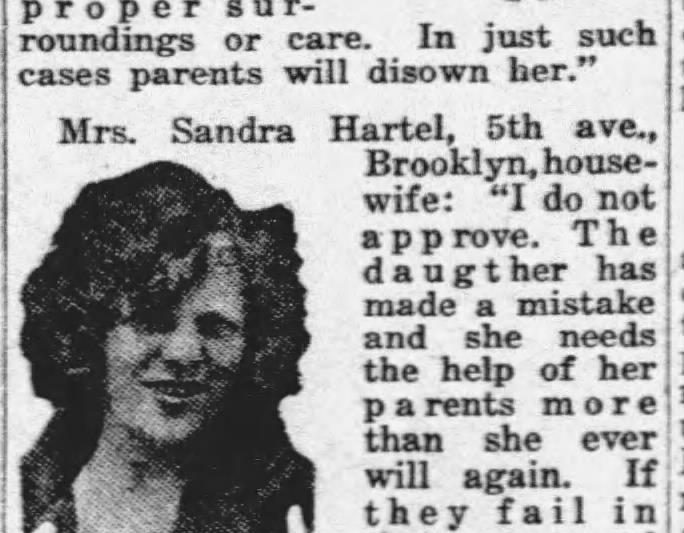
In 1925, parents often expelled daughters who had children out of wedlock. What if American society had chosen acceptance instead? Three grounded scenarios.
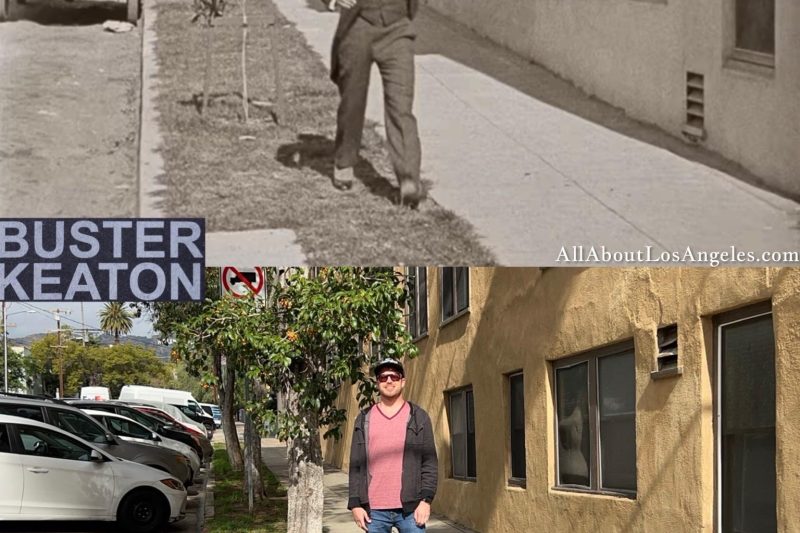
What was Buster Keaton’s 1925 film Seven Chances? How was it made, why did the boulder chase happen, and what did it change in Hollywood comedy?
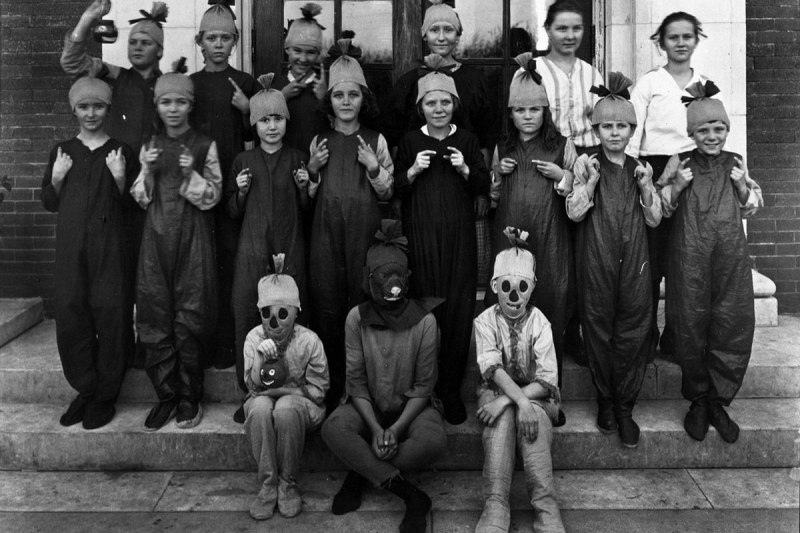
From homemade masks to Klan costumes and silent films, here are 5 things that defined Halloween 1925 and how they shaped the holiday we know now.
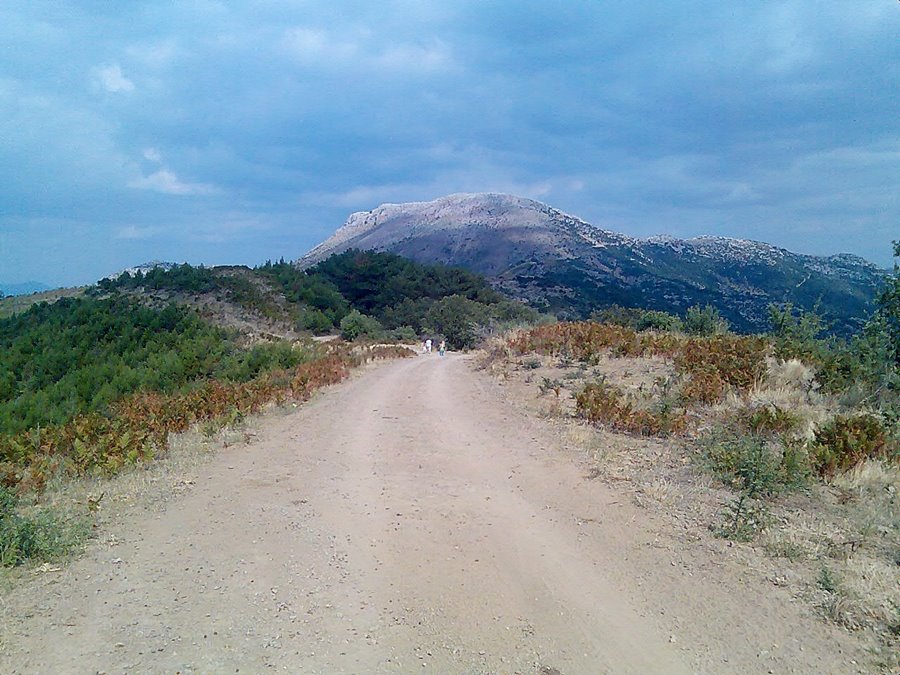
MOUNT LYKAION, GREECE – The discovery of a 3,000 year-old skeleton near a sacrificial altar on … Not As Civilized As We Thought: Greeks May Have Practiced Ritual MurderRead more

The story of Raimondo de’ Cabanni, a former African slave who rose to become a knight, court insider, and landholder in 14th‑century Angevin Naples.
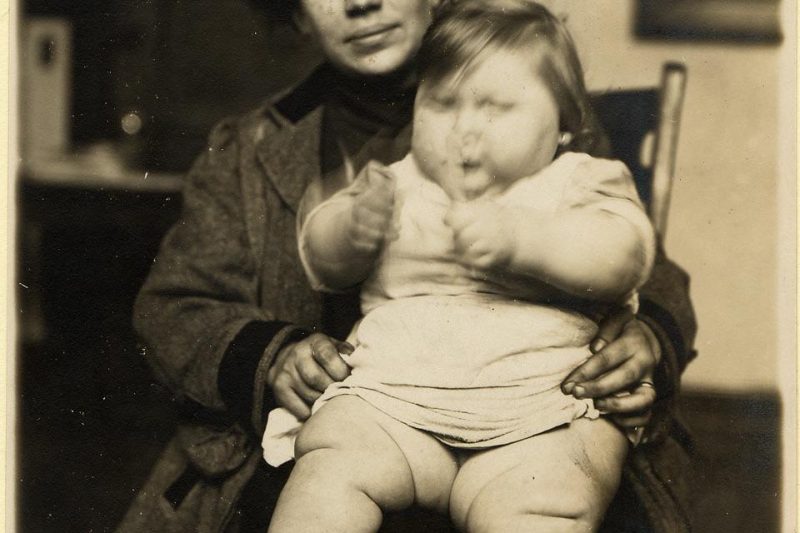
A 1908 Ellis Island photo of a Russian immigrant mother and her huge 11‑month‑old baby looks familiar. Compare Ellis Island immigration to today’s U.S. system.

Bill Clinton presided over the only U.S. budget surpluses since 1970. What if those surpluses had never happened? Three grounded scenarios and their consequences.
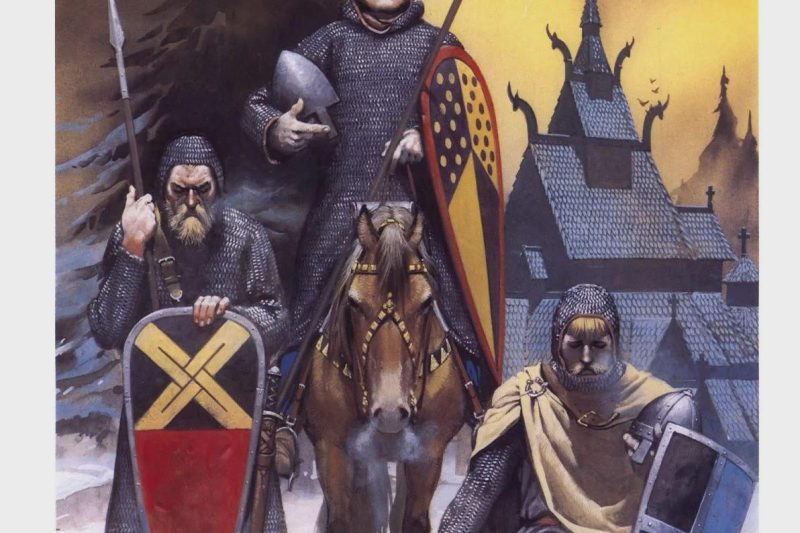
Scandinavia did not vanish after the Viking Age. Denmark, Norway, and Sweden stayed influential through crusades, trade, dynastic unions, and Baltic expansion.