In 1860, Abraham Lincoln walked into a studio in Springfield, Illinois, with a face that still looked unfamiliar to most Americans. He had recently grown a beard, partly on the advice of an 11‑year‑old girl, Grace Bedell, who wrote that he would look “much better” and win more votes if he did. By the time he reached the White House, the beard was inseparable from his public image. Lincoln without whiskers is hard to picture now. In the nineteenth century, that was the point.
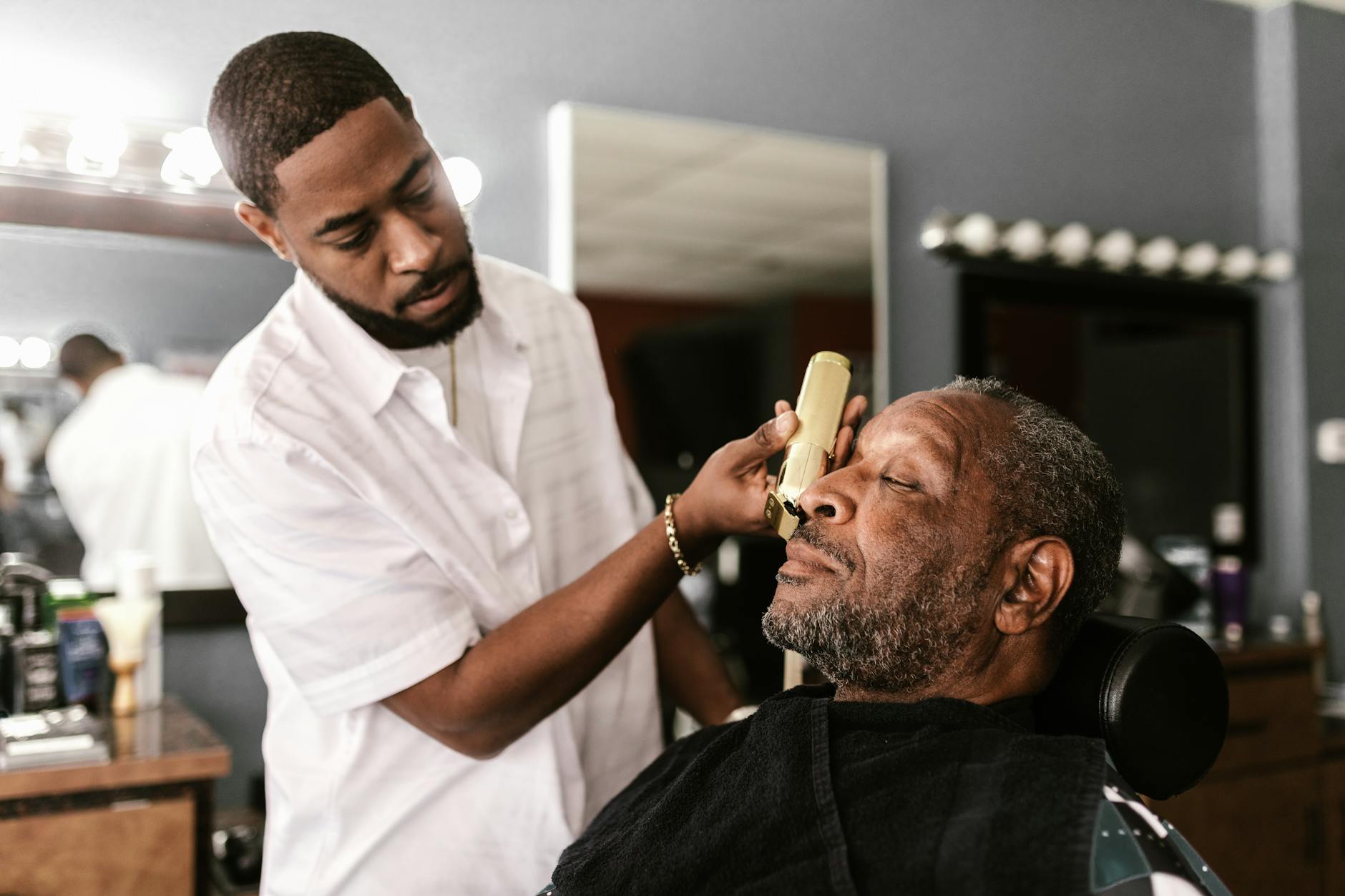
Hair in early America was not just fashion. It was a language. Historian Sarah Gold McBride, in Whiskerology: The Culture of Hair in Nineteenth‑Century America, tracks how Americans went from treating hair as a kind of trash to reading it as evidence of race, gender, morality, and even who deserved to be a citizen.
Here are five ways hair shaped power and identity in the United States, and why no president has had a beard since the 1800s is only one small part of a much bigger story.
1. From “bodily waste” to body part: Hair became evidence
In the seventeenth and early eighteenth centuries, many Euro‑Americans thought of hair as something the body excreted, closer to nail clippings than to skin. By the nineteenth century, that idea flipped. Hair came to be seen as an organic part of the self, an appendage that revealed inner truths.
This shift mattered because once hair counted as part of the body, it could be used as evidence. Phrenologists and racial theorists claimed that hair texture, color, and growth patterns proved where a person belonged on their invented racial hierarchies. Doctors and scientists collected hair samples the way they collected skulls.
A concrete example: Samuel George Morton, the Philadelphia physician famous for measuring skulls in the 1830s and 1840s, did not work alone. He was part of a wider scientific culture that treated bodies, including hair, as data. By the mid‑nineteenth century, ethnologists were describing “woolly” versus “straight” hair as supposedly fixed racial traits, used to justify slavery and segregation.
Hair also entered the courtroom and the newspaper as a kind of forensic clue. In sensational trials, witnesses described a suspect’s hair as proof of identity or character. A “wild mop” could signal insanity. A carefully arranged style could be read as vanity or deceit.
Once hair stopped being mere waste and became a meaningful body part, it turned into a tool for sorting people into categories of race, normality, and respectability. That new status gave hair enormous power in arguments about who counted as fully human and fully American.
2. Beards and manhood: Why the U.S. grew whiskers after 1850
In the early republic, most respectable men were clean‑shaven. Beards were associated with religious radicals, foreigners, or people who did not care about polite society. Around the 1850s, that script flipped. Facial hair exploded in popularity among white American men.
Historians link this beard boom to several pressures at once: industrialization, war, and anxiety about masculinity. As more men worked in offices rather than on farms, commentators fretted that they were becoming soft. A full beard or impressive mustache became a way to signal rugged manhood in an increasingly urban, bureaucratic world.
Abraham Lincoln is the famous example, but he was part of a broader pattern. Between 1861 and 1913, most U.S. presidents had facial hair: Lincoln, Ulysses S. Grant, Rutherford B. Hayes, James Garfield, Chester A. Arthur, Benjamin Harrison, and others. Their whiskers were not random. They projected strength, wisdom, and, in the wake of the Civil War, a kind of mournful gravity.
Beards also carried political messages. Radical abolitionists like John Brown wore long, untrimmed beards that signaled defiance and religious conviction. Union officers cultivated martial mustaches and goatees. Facial hair became a visual shorthand for different versions of manhood: respectable, radical, military, bohemian.
By the late nineteenth century, to be a bearded statesman was to embody a certain ideal of white, male authority. Facial hair helped define who looked like a leader at a time when the United States was tearing itself apart and trying to put itself back together.
3. Hair and race: Texture, style, and citizenship
As hair became a meaningful body part, white Americans used it to police racial boundaries. Nineteenth‑century racial science treated hair texture as a key marker of difference, and everyday people absorbed that message.
Enslaved African Americans had their hair controlled and often forcibly styled by enslavers. Short, tightly controlled hair was meant to signal discipline and erase African cultural styles. After emancipation, hair became a visible battleground over freedom and belonging.
One example: in the late nineteenth century, Black women in cities like New Orleans, Washington, and New York faced pressure to straighten their hair or wear wigs to fit white middle‑class norms. Advertisements for hair straighteners and hot combs promised not just beauty but respectability and better treatment. Straightened hair could mean a better chance at a job or safer passage in public spaces.
At the same time, white observers used hair to question Black citizenship. Travel writers and cartoonists mocked “kinky” or “woolly” hair as proof that Black Americans were unfit for equality. In court cases about racial identity, witnesses testified about hair texture alongside skin color.
Indigenous people were targeted through hair as well. Federal boarding schools for Native American children, such as the Carlisle Indian Industrial School founded in 1879, cut students’ hair short as part of their assimilation regime. Long hair, which had spiritual and cultural meaning in many Native nations, was treated as something to be erased.
By turning hair into racial evidence, white Americans used it to enforce hierarchies and to demand conformity from those they tried to control. Hair became a daily, visible test of who could safely claim American citizenship and on what terms.
4. Women’s hair, virtue, and control
If men’s beards signaled public power, women’s hair was tied to private virtue. Nineteenth‑century Americans obsessed over women’s hair as a marker of morality, sexuality, and class.
Long, thick hair was praised in sentimental literature as a sign of purity and health. At the same time, women were expected to keep that hair carefully contained. Loose hair could read as erotic or unrestrained. Respectable women pinned their hair up in elaborate arrangements that took time, money, and sometimes hired help.
Consider the case of Mary Todd Lincoln. As First Lady, her hairstyles were dissected in the press. When she wore elaborate curls and expensive hairpieces, critics accused her of vanity and extravagance at a time of national war. Her hair became a symbol of whether she fit the ideal of modest, self‑sacrificing womanhood.
Hair also entered mourning rituals. After a death, women might cut a lock of the deceased’s hair and weave it into jewelry or wreaths. These hair relics were intensely personal. They treated hair as a lasting piece of the body that could keep the dead present in the home. The popularity of hairwork in the mid‑nineteenth century shows how hair had shifted from waste to cherished substance.
At the same time, women’s hair was a site of commercial pressure. The rise of hair salons, hair dyes, and hairpieces in cities like New York and Boston gave women new options but also new expectations. To appear in public with gray hair or unstyled hair could mark a woman as poor, sick, or morally suspect.
By tying women’s hair so tightly to virtue and respectability, nineteenth‑century culture used it to police women’s behavior and appearance. Hair became one more way to enforce gender roles and judge who fit the ideal of “true womanhood.”
5. Why the beards vanished: Modernity, hygiene, and the clean‑shaven president
So why has no U.S. president had a beard since the nineteenth century? The short answer is that the meaning of facial hair changed again. By the early twentieth century, beards no longer read as modern, hygienic, or respectable for mainstream politicians.
Several forces drove this shift. The germ theory of disease, popularized in the late nineteenth century, made people suspicious of anything that could trap dirt or microbes. Doctors and public health advocates promoted shaving as cleaner. Safety razors, especially after King C. Gillette’s 1901 patent and his company’s World War I contracts, made daily shaving easier and cheaper for millions of men.
The military helped finish the job. During World War I, soldiers were often required to shave so gas masks would fit properly. Clean‑shaven faces became associated with discipline, modern warfare, and national service. Veterans brought that look home.
By the time William Howard Taft left office in 1913, his mustache already looked old‑fashioned. The next presidents, from Woodrow Wilson onward, were clean‑shaven. In the age of mass photography, newsreels, and later television, a smooth face read as professional and trustworthy. Beards migrated to the margins: artists, radicals, and, later, counterculture figures.
When voters looked at candidates, they brought all this baggage with them. A bearded presidential hopeful in the mid‑twentieth century risked looking eccentric or unclean. Even as beards returned in fashion cycles, the association between clean‑shaven faces and mainstream political authority held.
The disappearance of presidential beards shows how quickly the meaning of hair can flip. In one century, facial hair went from a badge of manly leadership to a potential liability for anyone seeking national office.
Hair in nineteenth‑century America was not a side story. It was a visible, daily way people made arguments about race, gender, health, and power. From Lincoln’s beard to a lock of hair in a mourning brooch, from a Native child’s forced haircut to a Black woman’s straightened style, hair carried the weight of who belonged and who did not.
We still read bodies for clues. We still argue over what hair “means” in politics, workplaces, and schools. The nineteenth century did not invent that habit, but it sharpened it. Once Americans decided hair was part of the body rather than waste, they never stopped using it to sort, judge, and imagine each other.
Frequently Asked Questions
Why did 19th-century Americans care so much about hair?
By the 19th century, Americans had come to see hair as part of the body rather than mere waste. That made hair a visible marker of race, gender, morality, and class. People used hair texture, style, and grooming to read character and to argue about who counted as respectable or fully American.
Why did U.S. presidents stop having beards?
Presidential beards faded out in the early 20th century as ideas about hygiene, modernity, and professionalism changed. Germ theory, the spread of safety razors, and military shaving rules made clean‑shaven faces seem healthier and more disciplined. In the age of mass media, a smooth face became the safe, mainstream look for national politicians.
How was hair used to enforce racial boundaries in the 1800s?
White Americans used hair texture and style as supposed racial evidence. Enslaved people’s hair was controlled by enslavers, Black Americans were pressured to straighten their hair to access jobs and safety, and Indigenous children in boarding schools had their hair cut to force assimilation. Hair became a daily tool for enforcing racial hierarchies and demanding conformity.
What did women’s hair symbolize in the 19th century?
Women’s hair was tied to ideals of virtue and respectability. Long, thick hair was praised, but it had to be carefully contained. Loose or unconventional styles could signal sexual danger or moral failure. At the same time, hair was used in mourning jewelry and keepsakes, treating it as a lasting, intimate piece of the body that connected the living and the dead.