In the summer of 2019, while Game of Thrones fans were still arguing about coffee cups and the fate of Daenerys Targaryen, three actors quietly pulled out their credit cards.
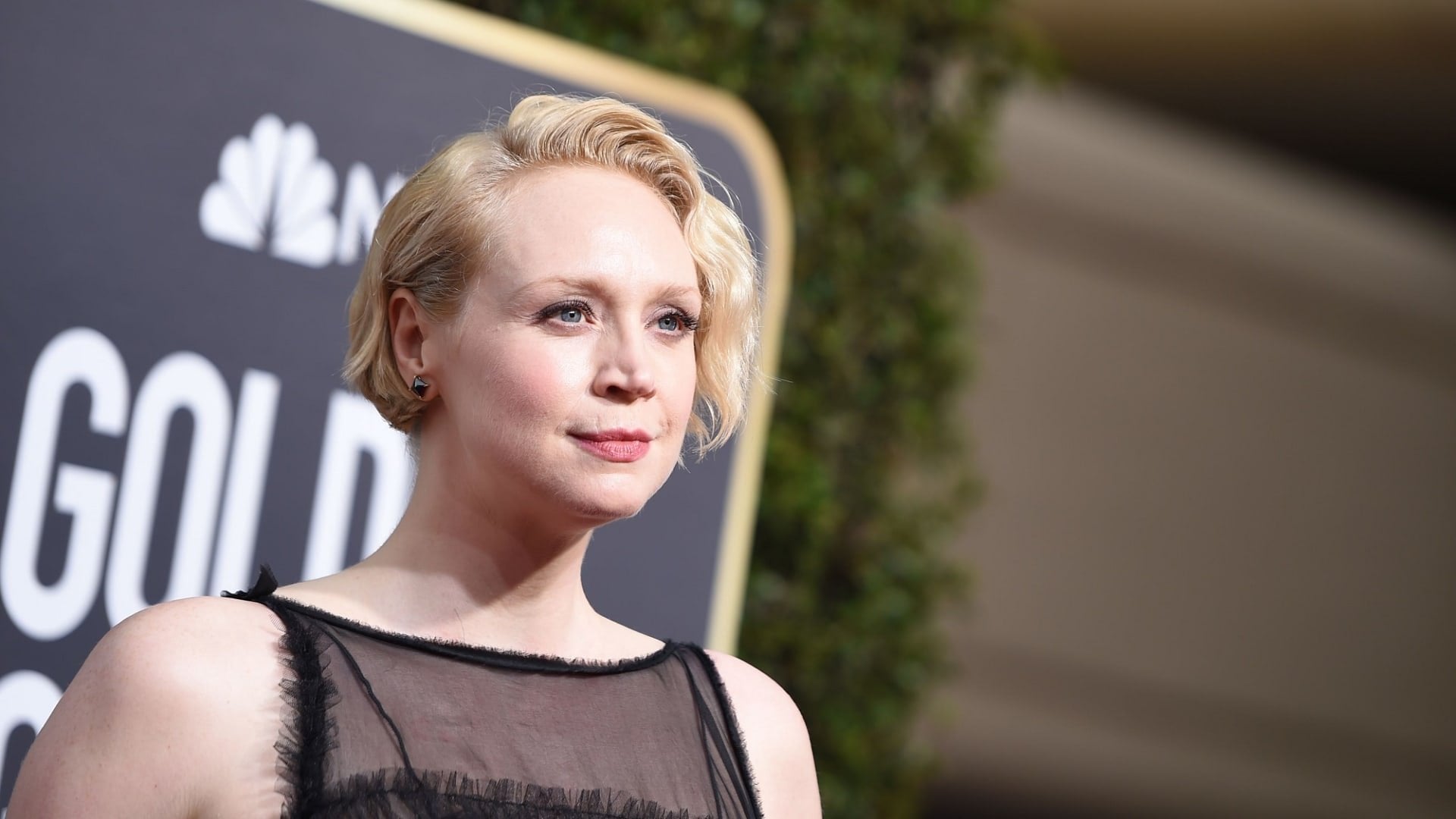
Alfie Allen, Carice van Houten, and Gwendoline Christie had just finished the final season of the biggest TV show on Earth. HBO submitted a long list of cast members for Emmy consideration. Their names were not on it.
So they did something that sounded almost petty at first glance and then, in hindsight, looked like a small revolt. Each paid the roughly $225 entry fee and submitted themselves for Emmy consideration. All three were nominated.
This odd little footnote to the Game of Thrones finale reveals a lot about how Emmy politics work, how studios manage awards campaigns, and how much control actors really have over their own recognition.
What actually happened with the Game of Thrones Emmy snub?
In 2019, the final season of Game of Thrones was eligible for the 71st Primetime Emmy Awards. HBO, like every network and streamer, had to decide which actors to put forward for nomination in each category.
The Television Academy does not magically choose who to consider. Someone has to submit each name and pay a fee. For series regulars on a huge show, that is usually the studio’s job.
HBO submitted several Game of Thrones actors, including Kit Harington and Emilia Clarke in lead categories, and a long list of supporting actors like Peter Dinklage, Lena Headey, Sophie Turner, and Maisie Williams.
Missing from the official HBO slate: Alfie Allen (Theon Greyjoy), Carice van Houten (Melisandre), and Gwendoline Christie (Brienne of Tarth). All three had major arcs and memorable scenes in the final season, especially in the Battle of Winterfell episode, “The Long Night.”
Instead of accepting the omission, they used a lesser-known option. The Television Academy allows performers, producers, or their representatives to submit themselves directly if the studio does not. The fee for an acting entry at the time was about $225.
They paid it. They filled out the paperwork. Their names went onto the official ballot.
When nominations were announced in July 2019, all three self-submitted actors were on the list:
• Gwendoline Christie: Outstanding Supporting Actress in a Drama Series
• Alfie Allen: Outstanding Supporting Actor in a Drama Series
• Carice van Houten: Outstanding Guest Actress in a Drama Series
None of them won, but that was almost beside the point. The story that spread was simple and sticky: HBO did not submit them, they submitted themselves, and Emmy voters agreed they belonged there.
This mattered because it exposed how Emmy nods are not just about merit or popularity. They are about who gets on the ballot in the first place, and that is a business decision as much as an artistic one.
Why didn’t HBO submit them for Emmy consideration?
On Reddit and elsewhere, the first reaction was outrage. How could HBO “snub” three fan favorites while submitting a small army of other cast members?
The answer is less personal than it looks. Emmy submissions are part marketing plan, part resource allocation, and part guesswork.
Every Emmy campaign costs money and time. There are fees for each category entry, but the real expense is in campaigning: For Your Consideration (FYC) ads, screenings, events, screeners, and PR. Networks try to balance the desire to reward their casts with the need to focus on candidates they think can actually win.
Game of Thrones had an enormous ensemble. By the final season, there were more than a dozen actors who could plausibly argue they were “supporting.” HBO had to decide how crowded to make each category. Too many names from one show can split votes and make it harder for anyone to get nominated.
So studios often prioritize previous winners, long-running leads, or actors they believe have the strongest narratives. Peter Dinklage, for example, had already won multiple Emmys for Tyrion Lannister. Lena Headey had been nominated several times. Kit Harington and Emilia Clarke were the faces of the show.
HBO never publicly explained why Allen, van Houten, and Christie were left off its submission list. Industry reporting at the time suggested it was a strategic choice, not a personal slight. They simply drew the line somewhere, and those three fell just outside it.
For fans, that felt absurd. Gwendoline Christie’s Brienne was knighted in one of the season’s most emotional scenes. Alfie Allen’s Theon completed a long redemption arc. Carice van Houten’s Melisandre literally rode in with fire to save Winterfell. These were not background players.
The gap between fan perception and studio strategy is the point. HBO’s choices showed how even beloved performances can be treated as expendable in awards campaigns, which set the stage for the actors’ decision to take matters into their own hands.
How did self-submission for the Emmys actually work?
Self-submission sounds like a stunt, but it is a standard part of the Emmy rulebook.
The Television Academy allows entries to be submitted by “the entrant or their representative,” which can mean a studio, a personal publicist, an agent, or the performer themselves. The key requirements are eligibility, correct category, and payment of the entry fee.
For acting categories in 2019, the process looked roughly like this:
• Confirm eligibility: The show had to air within the qualifying period and on an eligible platform.
• Choose a category: Lead, supporting, or guest, based on screen time and contract status. Carice van Houten, for example, went into the Guest Actress category because Melisandre appeared in fewer episodes.
• Submit online: Fill out the Academy’s forms with episode information and role details.
• Pay the fee: Around $225 per acting entry at the time.
Once submitted, self-entered performances go onto the same ballot as studio-submitted ones. Emmy voters do not see who paid the fee. They just see a list of names and roles.
Self-submission is common for writers, directors, and people on smaller shows. For big-budget series, it is less visible because studios usually handle everything. That is why the Game of Thrones case felt so striking. It was not that self-submission was rare. It was that actors from the most talked-about show on television had to use it.
When all three were nominated, it proved two things at once. First, that Emmy voters genuinely valued their work. Second, that the studio’s judgment about who was “worth” submitting was not infallible.
This mattered because it showed that the gatekeeping power of networks over awards is real but not absolute. There is a back door, and sometimes it works.
Who were the actors that pushed back, and why did their roles matter?
The three self-submitting actors were not minor figures trying to ride the show’s coattails. Their characters carried some of the most emotionally loaded material in the final season.
Gwendoline Christie (Brienne of Tarth)
Christie’s Brienne had been a fan favorite for years, but season 8 gave her some of her most memorable scenes. In “A Knight of the Seven Kingdoms,” Jaime Lannister knights her in a quiet, firelit hall as their comrades watch. It is one of the few unambiguously joyful moments in the entire series.
Later, her heartbreak when Jaime leaves Winterfell to return to Cersei gave Christie a rare chance to play Brienne’s vulnerability after seasons of stoic loyalty.
Her nomination in Supporting Actress was widely seen as overdue recognition for a character who embodied the show’s themes of honor, gender, and power.
Alfie Allen (Theon Greyjoy)
Theon’s arc is one of the longest and darkest in Game of Thrones. He goes from arrogant hostage to traitor, to broken prisoner, to a man trying to atone for his choices. By the final season, he is fighting to protect the very family he once betrayed.
In “The Long Night,” Theon defends Bran Stark in the godswood, then charges the Night King in a final, doomed attack. It is a redemption scene that only works because viewers have watched his humiliation and slow recovery over many seasons. Allen’s performance had to sell that entire journey in a few wordless seconds.
His Supporting Actor nomination was a rare case of Emmy voters recognizing a long, slow character build rather than just a single flashy episode.
Carice van Houten (Melisandre)
Melisandre is one of the show’s most ambiguous figures: a religious zealot whose visions are sometimes right and sometimes catastrophically wrong. She disappears for much of the later seasons, then returns in “The Long Night” to light the Dothraki arakhs, the trench, and finally to walk into the snow and die at dawn.
Van Houten’s performance in that episode is quiet and eerie. She is no longer the swaggering priestess of earlier seasons. She looks tired, certain, and resigned. The Guest Actress nomination recognized a character who had haunted the show’s mythology from the start.
These three performances mattered because they carried emotional weight that many viewers felt the compressed final season otherwise lacked. Their nominations were not just personal victories. They were a kind of fan validation that some of the show’s best work was happening around the edges of the main plot.
What did these Emmy nominations change for awards politics?
The Game of Thrones self-submissions did not rewrite Emmy rules, but they did change the conversation about how those rules are used.
First, they drew public attention to the fact that Emmy submissions are not automatic. Many casual viewers assumed that if an actor was on a hit show, the Academy would naturally consider them. The story made clear that someone has to pay, and that someone is usually the studio.
Second, it exposed the tension between studio strategy and individual careers. An Emmy nomination can change an actor’s trajectory. It affects future casting, pay negotiations, and how agents pitch them. When a studio chooses not to submit someone, it is not just a marketing call. It can shape their long-term prospects.
Third, it showed that self-submission can work even without a giant campaign machine behind it. Allen, van Houten, and Christie did not have the same FYC push as some of their co-stars. Yet Emmy voters still found them on a crowded ballot.
After 2019, trade outlets and fan communities paid more attention to submission lists. Stories about who was and was not submitted became their own mini news cycle every awards season. Actors on other shows have referenced the GoT trio when talking about submitting themselves.
The incident did not topple the studio-driven awards system, but it poked a hole in the idea that only network-backed candidates can get recognition. That small shift in perception matters for anyone lower on the call sheet who believes their work might be overlooked.
Why this Game of Thrones Emmy story still matters
The Reddit post that sparked renewed interest in this story boiled it down to a satisfying twist: HBO ignored them, they paid $225, and the Emmys proved HBO wrong.
The reality is less cinematic and more structural. Awards are part of the business machinery of television. They are used to sell shows to audiences, to advertisers, and to future buyers. The people whose faces are on the posters are not always the ones who get pushed hardest when it is time to hand out trophies.
The Game of Thrones self-submissions matter today for a few reasons:
• They demystify the Emmys. Nominations are not pure meritocracy. They start with who gets on the ballot, and that is controlled by money and strategy.
• They show that actors have some agency. Self-submission is not a guarantee, but it is a tool, especially for performers on ensemble shows or with smaller roles.
• They reveal fan influence. Part of why these nominations landed so loudly is because viewers already cared deeply about Brienne, Theon, and Melisandre. Voter recognition lined up with audience sentiment in a way that the studio’s choices did not.
In an era where streaming platforms churn out more shows than any awards body can reasonably watch, the mechanics of who gets seen and who gets ignored are only getting more important. The story of three actors from Game of Thrones quietly submitting themselves is a small, human-sized case study in that bigger system.
It is a reminder that even at the top of the TV world, with dragons and record ratings, some of the best work still needs a receipt, a form, and a bit of stubbornness to be noticed.
Frequently Asked Questions
How do actors submit themselves for Emmy consideration?
Actors can submit themselves for Emmy consideration by using the Television Academy’s entry system, choosing the correct category, and paying the entry fee. They do not need the studio’s permission. Once submitted, their names appear on the same ballot as studio-backed entries, and Emmy voters do not see who paid the fee.
Why didn’t HBO submit Gwendoline Christie, Alfie Allen, or Carice van Houten for Emmys?
HBO never gave a detailed public explanation, but industry reporting suggests it was a strategic decision. With a large ensemble cast, the network focused its official submissions on a smaller group of actors it believed had the strongest chances, often previous nominees or winners. That left some fan favorites, including Christie, Allen, and van Houten, off the studio’s list.
Did Gwendoline Christie, Alfie Allen, and Carice van Houten win Emmys for Game of Thrones?
No. All three were nominated for their work in the final season of Game of Thrones after self-submitting, but none of them won. Peter Dinklage was the only Game of Thrones actor to win an Emmy for acting that year, taking home Outstanding Supporting Actor in a Drama Series.
How much does it cost to submit for an Emmy acting category?
Around the time of the 2019 Emmy Awards, the entry fee for an individual acting submission was roughly $225. Fees can change over time, but the basic structure remains: each entry in each category requires a payment, whether it comes from a studio, an agent, a publicist, or the performer.