In 2014, Federico Castelluccio, the actor who played Furio Giunta on The Sopranos, walked into a New York auction house and saw something that did not add up.
The catalog said the painting was by an “unknown 17th‑century artist.” The estimate was modest. But Castelluccio, who had spent decades studying Baroque art, thought he recognized the hand of a master: Guercino, one of the great Italian painters of the 1600s.
He bought the work for about $68,000. After research, restoration, and expert opinion, the painting was attributed to Guercino and valued in the millions. Some reports put the potential price as high as $10 million.
This is the story behind that viral fact: what actually happened, how an actor could outsmart an auction catalog, and what this says about the strange, risky world of art attribution and value.
What happened with the Sopranos actor and the $10M painting?
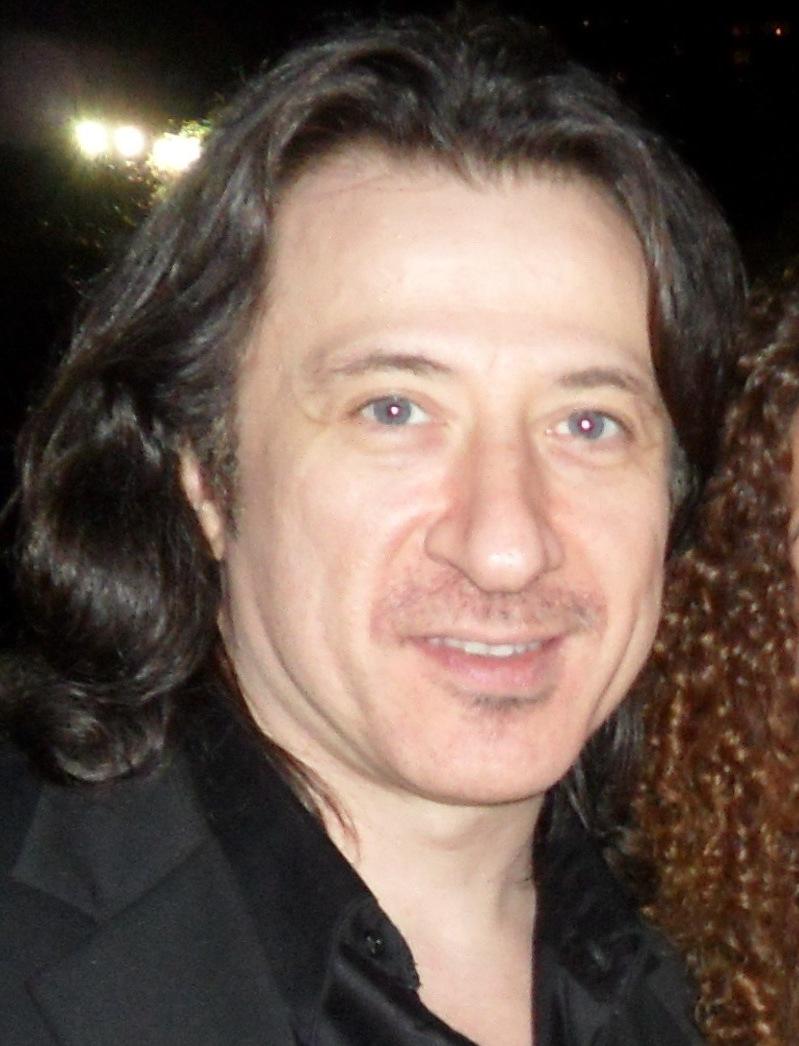
Federico Castelluccio is best known to TV audiences as Furio, Tony Soprano’s intense, ponytailed enforcer. Off screen, though, he is a trained painter and a serious collector of Old Masters.
At a New York auction in 2014 (reported by outlets like The New York Times and The Guardian), he spotted a Baroque painting cataloged as by an “anonymous” or “unknown” 17th‑century artist. It depicted Saint Sebastian, the early Christian martyr, tied to a tree and shot with arrows, a popular subject in Italian art.
To most buyers in the room, it was just another old religious picture. To Castelluccio, it looked like the work of Giovanni Francesco Barbieri, known as Guercino, a major Italian painter from the early 1600s whose works hang in top museums and sell for millions.
He bid and won the painting for around $68,000. That is a lot of money, but far below what a confirmed Guercino would cost.
Over the next months and years, Castelluccio and experts examined the work. After cleaning and restoration, stylistic analysis, and comparison with known Guercino works, scholars attributed the painting to Guercino himself, not a follower or copyist. Estimates of its value ranged into the multi‑million dollar range, with some coverage using the round figure of $10 million.
In simple terms: an actor with deep art knowledge bought a misidentified Old Master painting at auction for tens of thousands of dollars. Once correctly attributed, it was worth in the millions. That is why the story exploded on Reddit and in news headlines.
This matters because it shows how fragile art valuations are. A single line in a catalog, right or wrong, can swing a painting’s price by orders of magnitude.
What set it off: how can a $68,000 painting be worth millions?
To understand how this happened, you have to understand how art attribution and pricing work.
In the Old Masters market (roughly pre‑1800 European art), value is driven by three big things: who painted it, how good it is, and what condition it is in. The first factor, authorship, is often the most powerful.
One clean definition: art attribution is the process by which experts decide who actually created a work of art, based on style, materials, documentation, and scientific testing.
If a painting is labeled “School of Guercino” or “Follower of Guercino,” it might be worth thousands. If it is accepted as “by Guercino,” the same canvas might be worth millions. The subject, Saint Sebastian, is well known, but subject alone does not drive the price. The name on the label does.
Auction houses rely on in‑house specialists, external scholars, previous sales records, and sometimes old attributions that have been copied for decades. They have to catalog thousands of works a year. Mistakes happen. Sometimes they are cautious and under‑attribute. Sometimes they are overconfident and get burned.
Misattributions can come from:
• Poor condition, where dirt, yellowed varnish, or overpainting hides the original quality.
• Gaps in provenance, where ownership records are missing and no one has linked the work to a known master.
• Workshop practices, where famous artists had assistants who painted in their style, blurring the line between master and follower.
• Old labels or assumptions that were never seriously questioned.
Castelluccio walked into that system with an advantage. He was not just a celebrity buyer chasing a trophy. He had spent years studying Italian Baroque painting, visiting museums, and learning the visual language of artists like Guercino.
He saw through the dirty varnish and the anonymous label. He trusted his eye where the catalog did not.
This matters because it shows that the art market is not a perfectly efficient machine. Knowledge, nerve, and timing can turn a six‑figure gamble into a seven‑figure asset.
The turning point: from anonymous canvas to Guercino
Buying the painting was only the first step. The real drama came in proving what it was.
Once Castelluccio owned the work, he had to answer a hard question: was this actually a lost Guercino, or just a very good imitation?
The process of upgrading an attribution usually involves several stages:
1. Conservation and cleaning. Old varnish and grime can flatten colors and blur brushwork. A careful cleaning can reveal the original surface and details that help experts judge quality.
2. Stylistic comparison. Scholars compare the painting to securely attributed works by the artist. They look at anatomy, drapery, faces, brush handling, and composition. Guercino, for example, had distinctive ways of painting musculature and light.
3. Technical analysis. Infrared reflectography, X‑rays, and pigment analysis can reveal underdrawings, changes in composition, and materials that match or conflict with the artist’s known practice.
4. Documentation. Sometimes there are old inventories, letters, or engravings that mention or reproduce the work. In some cases, a “lost” painting can be matched to a description in a 17th‑century collection list.
Reports on Castelluccio’s case say that after cleaning, the painting’s quality became much clearer. Scholars familiar with Guercino’s work agreed that it was by the master, not a follower. The composition matched Guercino’s style and period. Technical and stylistic evidence lined up.
At that point, the label changed. It was no longer “anonymous 17th‑century Italian.” It was “Guercino, Saint Sebastian.” That single shift in attribution multiplied the painting’s value.
There is a catch. A high appraisal is not the same as cash in the bank. To realize that value, the painting would need to sell, either privately or at a major auction, and buyers would have to accept the attribution. Public sources do not show a headline sale yet, so the exact financial outcome is unclear.
But in reputational terms, the turning point was real. An actor had spotted what experts had missed, and the scholarly world, at least in this case, backed him up.
This matters because it shows how fragile and contested “expertise” can be, and how a single reattribution can rewrite the story of both an artwork and its owner.
Who drove it: Federico Castelluccio and the world of sleeper hunters
To Reddit, the story sounds like a lottery ticket: Furio buys a painting, boom, $10 million. In reality, it is closer to a high‑risk, high‑skill investment by someone who had been training for this for years.
Federico Castelluccio was born in Naples and raised in New Jersey. Before acting, he studied art at the School of Visual Arts in New York and worked as an illustrator. He did not just decorate his house with random antiques. He studied Old Masters, visited museums, and built relationships with dealers and scholars.
He is part of a small, obsessive tribe in the art world often called “sleeper hunters.” A “sleeper” is a work that is misattributed or under‑valued, usually because the cataloger did not recognize its true author.
Other famous sleeper stories include:
• A painting cataloged as “Circle of Rembrandt” that later turned out to be by Rembrandt himself.
• A dusty canvas bought in a London sale that was later attributed to Caravaggio.
• A supposed copy of a Leonardo da Vinci that some experts now argue is an original, the Salvator Mundi, which sold for $450 million in 2017.
In each case, someone took a risk on a hunch backed by knowledge.
The art market is full of people trying to do this. Most fail quietly. For every sleeper that turns into a headline, there are many paintings bought on optimistic attributions that never get upgraded. Buyers can be stuck with expensive “almosts” that no museum wants.
Castelluccio’s success was not blind luck. It was the payoff of years of learning how to see, and the willingness to stake real money on that vision.
This matters because it shifts the story from “actor gets lucky” to “trained eye challenges the system,” which says a lot about who gets to decide what art is worth.
What it changed: art market myths, expertise, and trust
The Furio painting story feeds a fantasy: that anyone might stumble onto a masterpiece in a thrift store or a dusty auction. That does happen occasionally, but it is rare. The more interesting change is how stories like this affect trust in the art market.
First, they expose how much power a catalog line has. A painting is not inherently worth $68,000 or $10 million. Its price is a social agreement, built on expert opinion, branding, and precedent. When a single reattribution can move the needle that far, it reminds everyone that these numbers are guesses, not laws of nature.
Second, they put pressure on auction houses and museums. If an actor can spot a Guercino that specialists missed, what else is hanging in storerooms with the wrong label? Institutions have responded in recent years by investing more in scientific analysis and being more transparent about uncertainty. You now see more careful phrases like “attributed to,” “workshop of,” or “formerly attributed to.”
Third, they change how the public thinks about expertise. Art historians and conservators spend years training, and most attributions are solid. But cases like this remind people that experts are human, that markets are noisy, and that sometimes outsiders can see what insiders overlook.
There is also a personal change. For Castelluccio, the story reinforced his identity not just as an actor who collects art, but as a serious connoisseur. Media coverage shifted from “mobster on TV” to “art expert in real life.” That kind of crossover is rare and shapes how people imagine who belongs in the art world.
This matters because it chips away at the myth of a perfectly rational, airtight art market and replaces it with something messier, more human, and more open to challenge.
Why it still matters: art, value, and who gets to be an expert
The Reddit post about Furio’s $10 million painting blew up because it hits a nerve: the idea that hidden value is all around us, waiting for the right person to notice.
But the deeper lesson is not “go buy random old paintings.” It is about how we decide what things are worth, and who gets to make that call.
Art attribution is a reminder that value is constructed. A painting does not change when the label changes. The pigments are the same. The image is the same. What changes is the story we attach to it: who painted it, when, for whom, and how that fits into a larger history.
Castelluccio’s story also pushes back against a common misconception: that celebrities who buy art are just rich tourists. In this case, the celebrity was the one doing the homework, and the professionals were the ones who missed the opportunity.
For anyone watching from the outside, the case is a neat definition of connoisseurship: the trained ability to look at an object and see more than its surface, to read brushwork and composition the way a mechanic reads an engine.
It also has a quieter legacy. Stories like this encourage museums, auction houses, and collectors to revisit old attributions. They remind scholars that there may still be “lost” works hiding in plain sight, misfiled under “anonymous” or “school of.”
And for fans of The Sopranos, it adds a strange twist. The guy who played the menacing enforcer was, in real life, the one person in the room who saw past the disguise and recognized the prize.
That matters because it shows how much of culture, from paintings to TV characters, depends on who is looking and what they know how to see.
Frequently Asked Questions
Did the actor who played Furio really find a $10 million painting?
Yes. Federico Castelluccio, who played Furio on The Sopranos, bought a misidentified 17th‑century painting at auction for about $68,000. Experts later attributed it to the Italian Baroque master Guercino, raising its estimated value into the multi‑million dollar range, often reported around $10 million. The exact sale price, if it has sold, is not publicly known.
How did Federico Castelluccio recognize the Guercino painting?
Castelluccio is a trained painter and serious collector of Old Masters. He had spent years studying Italian Baroque art. At the auction, he noticed stylistic details in the Saint Sebastian painting that matched Guercino’s known works, despite its anonymous catalog label and dirty condition. He trusted his connoisseurship and bought it, then worked with experts to confirm the attribution.
What does art attribution mean and why does it matter?
Art attribution is the process of determining who actually created a work of art. Experts use stylistic analysis, technical tests, and historical documents to decide if a painting is by a master, a follower, or a workshop. Attribution matters because it can change a work’s value dramatically. A canvas labeled “anonymous” might be worth thousands, while the same work attributed to a famous artist can be worth millions.
How often do misattributed paintings turn out to be masterpieces?
It happens, but not often. The art market has a handful of famous “sleeper” stories where misattributed works were upgraded to major masters like Rembrandt, Caravaggio, or Guercino. For each success, many hopeful attributions never gain scholarly acceptance. Most auction catalog entries are accurate, but the small number of errors can lead to big headlines when they are corrected.