Archaeologists in the Netherlands may have found the remains of the real d’Artagnan. Here’s who he was, how he died, and why this discovery matters.
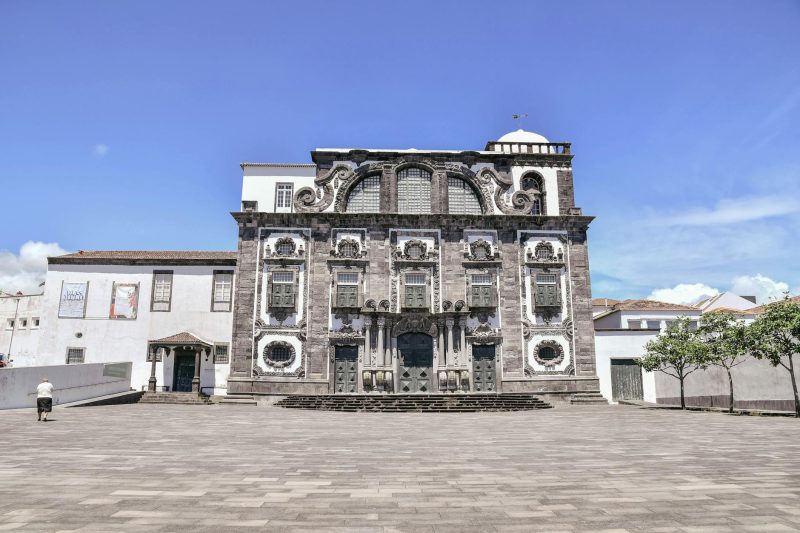
Archaeologists in the Netherlands may have found the remains of the real d’Artagnan. Here’s who he was, how he died, and why this discovery matters.
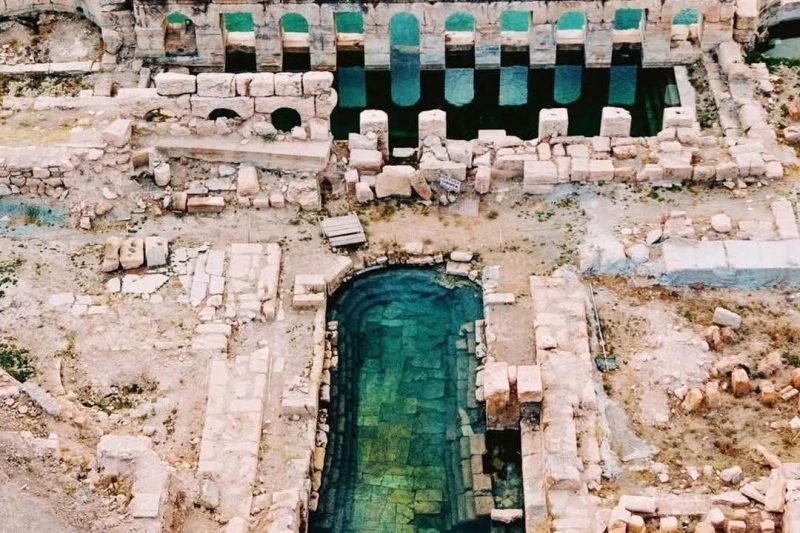
Sarıkaya’s 2,200‑year‑old Roman bath in central Türkiye has flowed at 45°C since antiquity. How it worked, who used it, and why it still matters.
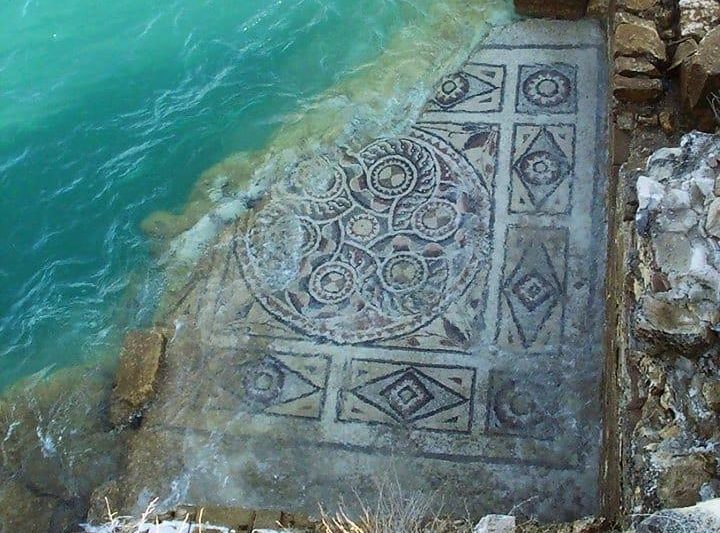
How a modern dam drowned the ancient city of Zeugma in Turkey yet exposed its 2,000-year-old Roman mosaics. The story of loss, rescue, and rediscovery.
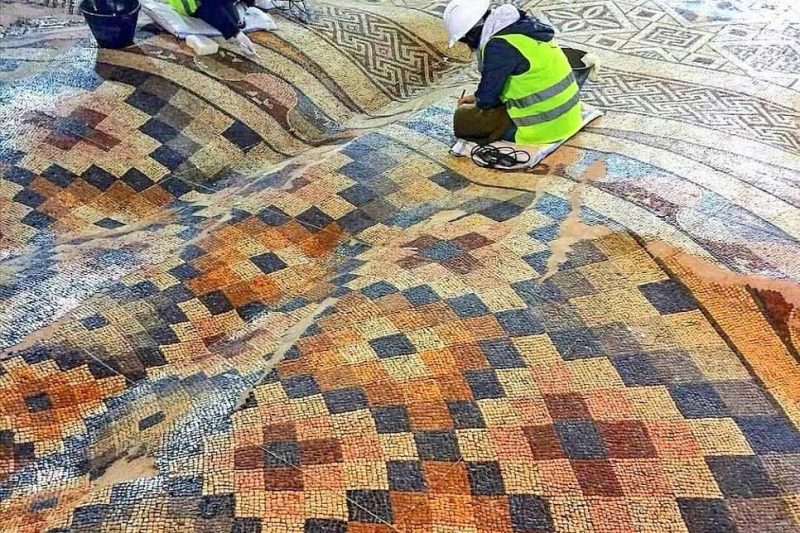
A Roman mosaic in Turkey captured an earthquake’s wave without breaking. Here are 5 surprising things Roman mosaics can do and what they reveal about the empire.
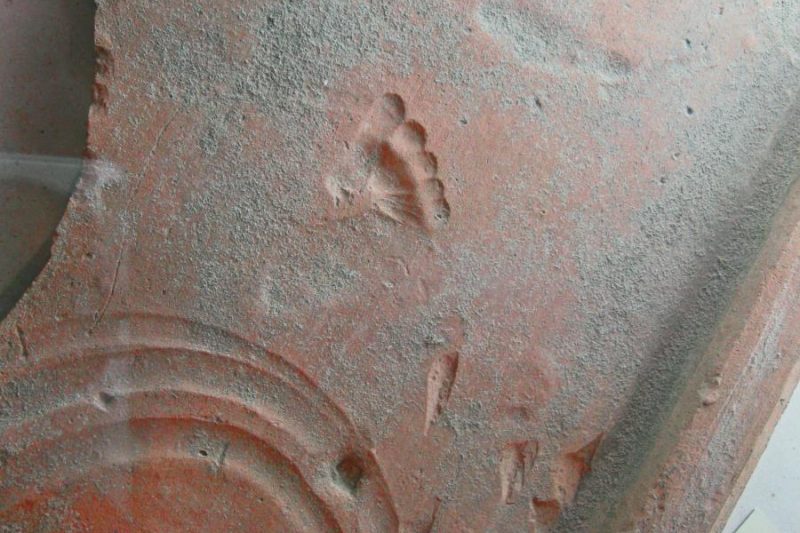
A 2,000-year-old Roman baby footprint in clay looks just like a modern baby print. Compare their origins, methods, outcomes, and legacy across time.
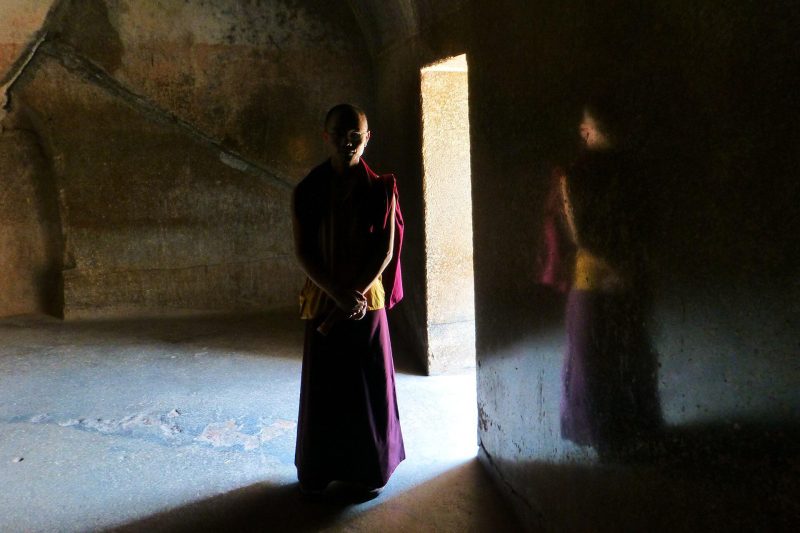
Why do the 2,200-year-old Barabar Caves in India look like high-tech stonework? Compare their mirror-polished granite to ancient Egyptian stoneworking methods.
A rare Sumerian clay tablet from Umma shows an early house plan. Here are 5 things it reveals about daily life, architecture, and math in ancient Mesopotamia.
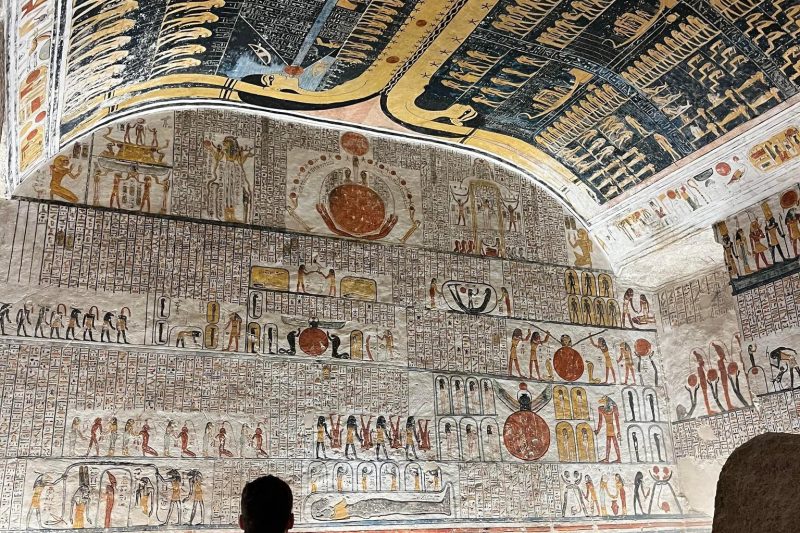
Why is the tomb of Ramesses VI in the Valley of the Kings so impressive? Explore its history, decoration, looting, and legacy in New Kingdom Egypt.
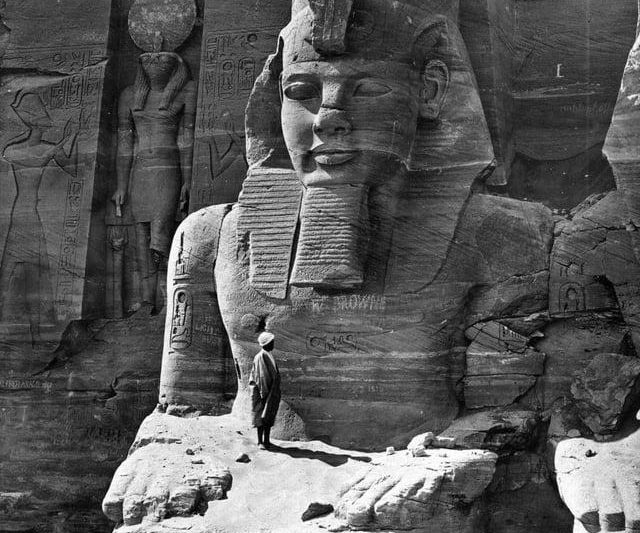
Why is there an 1856 photo of a man standing on Ramesses II’s statue in Egypt? How early tourism, looting, and colonial attitudes shaped our view of ancient Egypt.
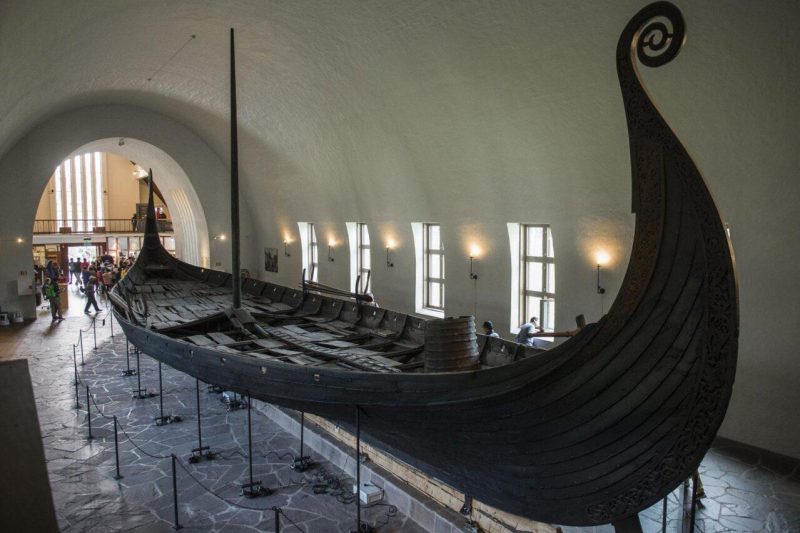
The Oseberg ship was a 9th‑century Viking burial ship found almost perfectly preserved in Norway. Here’s who was buried in it, what was inside, and why it matters.