Picture a medieval battlefield the way film usually gives it to you: a screaming wall of men, bareheaded or in artfully open helmets, swinging swords for ten straight minutes while mud and blood fly in slow motion.
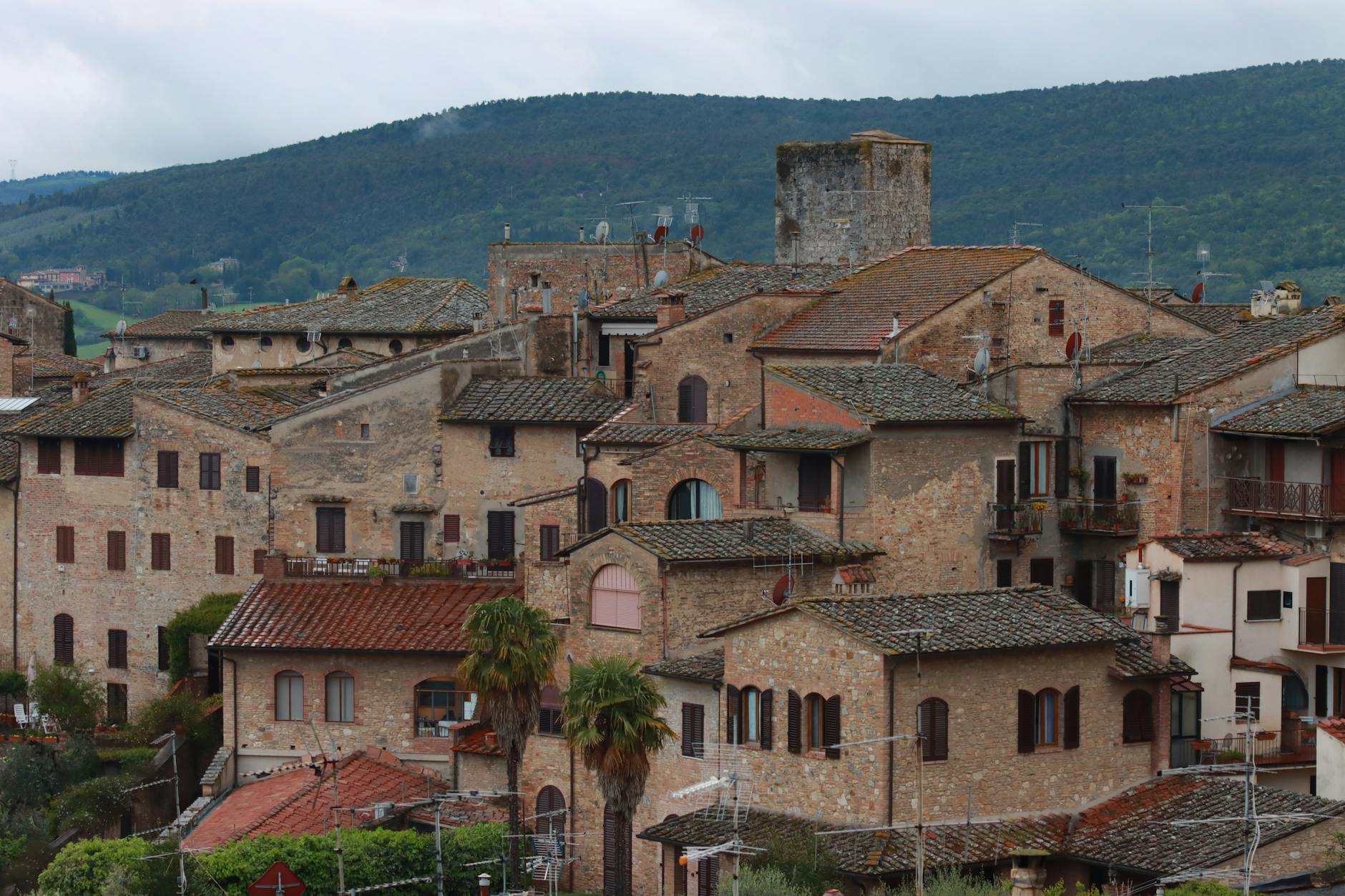
Now compare that to a real 14th century battle account: men struggling to see through visors, short brutal clashes, horses panicking, and most of the killing done to people who are already on the ground or running away.
When people on Reddit ask which movie or series has the most realistic depiction of the Middle Ages, they are really asking two things. First, what did the medieval world actually look and feel like. Second, which bits of our favorite films are honest attempts at that world and which are pure modern fantasy with chainmail.
This explainer walks through what “realistic Middle Ages” even means, what popular culture gets wrong, which productions get surprisingly close, and why it matters that we keep confusing fantasy Europe with actual medieval history.
What a “realistic Middle Ages” actually means
Before arguing about whether The Last Duel beats The Name of the Rose, you need a working definition. A realistic medieval film is not one that copies every tiny fact. It is one that gets the big structures of life roughly right: technology, social order, religion, violence, and daily experience.
In simple terms: a realistic medieval movie shows people thinking and acting like people from 500–1500, not like 21st century Americans in fancy dress.
That means a few things:
1. Technology and material culture match the period. No plate armor in the 11th century. No horned Viking helmets. No castles centuries before stone fortifications existed in that region. Clothing, weapons, and buildings should fit a specific time and place, not a generic “Middle Ages” mashup.
2. Society is hierarchical and personal. Power is tied to land, oaths, and personal relationships. Most people are peasants. Nobles are obsessed with lineage, honor, and God’s favor. Freedom, rights, and identity are not imagined the way modern viewers expect.
3. Religion is everywhere. Christianity in Latin Europe, Islam in large parts of the Mediterranean, Judaism in many towns, and local beliefs woven through daily life. People swear oaths on relics, fear hell, and interpret disasters as divine judgement.
4. Violence is structured, not constant chaos. Warfare is seasonal, expensive, and often about sieges and intimidation rather than endless heroic duels. Tournaments have rules. Even brutality has a logic.
5. Daily life is varied. Cities and courts can be rich and colorful. Villages can be poor, but not everyone is caked in filth all the time. There are laws, customs, and a lot of routine work.
A realistic medieval film or series does not need to be a documentary. It just needs to respect these basic frameworks. That matters because it shapes whether viewers walk away with a cartoon or a usable mental picture of a thousand years of history.
What set off our modern image of the Middle Ages?
When Redditors argue about realism, they are reacting to a very specific modern invention: the “Dark Ages” as a mud-soaked, brainless, violent blur. That image is younger than you think.
Renaissance writers in the 14th–16th centuries were some of the first culprits. People like Petrarch looked back at classical Rome as a lost golden age and called the centuries after it a dark time. They were doing PR for their own era, not writing neutral history.
Enlightenment thinkers in the 18th century doubled down. To Voltaire and his friends, the Middle Ages were the age of superstition and priestcraft that Reason had heroically overcome. Again, this was politics and philosophy, not careful medieval scholarship.
Then the 19th century arrived with two big forces that still haunt our screens:
1. Romantic medievalism. Writers like Sir Walter Scott and artists of the Pre-Raphaelite school turned the Middle Ages into a stage for chivalry, doomed love, and noble knights in shining armor. This is where the glossy Arthurian aesthetic comes from.
2. Nationalism. Young nation-states went hunting for heroic medieval origins. Germans looked to the Holy Roman Empire. The French to Charlemagne and Joan of Arc. The English to Magna Carta and Robin Hood. History got bent into patriotic myth.
Early cinema simply inherited these 19th century fantasies. Silent epics like The Birth of a Nation or later films like Ivanhoe and El Cid offered knights, damsels, and very clean armor. By the late 20th century, the pendulum swung the other way with dirt-and-blood realism. Braveheart and Gladiator made mud, gore, and shouting the new standard, even when the details were wildly off.
So when people ask which movie is most realistic, they are pushing back against two centuries of either romantic or grimdark fantasy. That long cultural build-up explains why certain myths are so hard to kill.
The turning point: when films started trying to get it right
There is no single film that suddenly “fixed” medieval history on screen, but you can see a shift from about the 1970s onward as some directors began to care about research.
Akira Kurosawa’s Seven Samurai (1954) is not medieval Europe, but it set a template for grounded premodern warfare: limited resources, tactical thinking, and peasants as central characters. That sensibility filtered into later historical films.
In Europe, a few productions made historians sit up:
The Name of the Rose (1986). Set in a 14th century Italian monastery, it gets the claustrophobic, book-obsessed, argumentative side of medieval monastic life across better than almost anything else on screen. The plot is fictional, the atmosphere is carefully built.
La Passion Béatrice (1987) and Valhalla Rising (2009). Less famous, more brutal, both show feudal violence and religious anxiety without modern speeches about human rights.
Then came the era of the “historical epic with consultants.”
Kingdom of Heaven (2005, director’s cut). It mangles some characters and simplifies politics, but it tries to show the Crusader States as a real society with competing factions, not just a backdrop for holy war. The depiction of siege warfare and the look of Jerusalem are closer to reality than most.
The Last Duel (2021). Based on a well-researched book by Eric Jager, it reconstructs a 14th century French judicial duel and the social world around it. Armor, legal procedure, and the stakes of honor and reputation are handled with unusual care, even if some details are debated by specialists.
The Northman (2022). For Viking-age material culture, this is one of the better attempts. The clothing, ships, and ritual scenes draw heavily on archaeology, even if the story leans into myth.
On television, two series tend to come up in Reddit arguments:
Vikings (early seasons). It is full of anachronisms and compressed timelines, but it does capture the mix of raiding, farming, and local politics that shaped Norse societies. It is more honest about boats and weather than most.
Game of Thrones. Pure fantasy, but its early seasons handle feudal politics, succession crises, and the economics of war in a way that feels more medieval than many “historical” films. The armor and weapons are a mashup, but the logic of power often rings true.
The turning point is not a single masterpiece. It is a gradual move toward hiring historians, reading scholarship, and accepting that audiences can handle something other than knights as superheroes. That shift opened the door to more nuanced medieval stories.
Who drove our favorite myths about the Middle Ages?
When you scroll a thread about realistic medieval films, the same complaints appear: everyone is too dirty, armor is wrong, women are either princesses or victims, peasants are props. Those are not accidents. They come from specific creative choices and older stories.
1. Directors and production designers. Filmmakers like Ridley Scott, Mel Gibson, and Zack Snyder have shaped how millions of people picture the past. They often choose visual drama over accuracy. Open-faced helmets let you see the star’s face. Black leather looks “cooler” than linen and wool. A battlefield of shirtless warriors is easier to read on screen than a mass of nearly identical armor.
2. 19th century writers. Sir Walter Scott’s novels, Victor Hugo’s The Hunchback of Notre-Dame, and countless Arthurian retellings created the knight-in-shining-armor and damsel-in-distress template. Hollywood simply translated those tropes to film stock.
3. Game designers and fantasy authors. J. R. R. Tolkien knew his medieval languages, but his imitators often did not. Dungeons & Dragons, video games, and fantasy novels built a “standard medieval setting” with taverns, chainmail bikinis, and omnipresent swords. Films then borrowed back from that fantasy toolkit.
4. Historians and consultants. On the other side, people like historian David Nicolle (who consulted on Kingdom of Heaven), medievalist advisors on The Last Duel, or the team behind The Northman pushed for more accurate armor, buildings, and rituals. Their influence is less visible than a star’s ego, but it is there.
These groups shaped not just costumes, but deeper myths: that everyone died at 30, that women had no agency, that peasants never washed, that the Church crushed all thought. Realistic films are fighting against decades of those habits, which is why even good productions still slip.
Understanding who built the myths helps explain why certain errors keep repeating and why it takes deliberate work to show a different Middle Ages.
What realistic medieval films change about our view of the past
So what actually changes when a film takes the Middle Ages seriously? Quite a lot. A few areas matter most in those Reddit debates.
1. Dirt, disease, and daily life.
People did not bathe once a year. Medieval towns had bathhouses. Manuals from the period talk about washing, changing linens, and dental care. Yes, disease was common and sanitation poor by modern standards, but the permanent mud-and-feces aesthetic is lazy.
Films like The Name of the Rose and some scenes in The Last Duel show a more believable mix: crowded, smoky, sometimes filthy, but with people who care about clothes, status, and basic hygiene.
That matters because it shifts the Middle Ages from a cartoon of misery to a real human world with gradations of comfort and squalor.
2. Armor and combat.
Real plate armor was custom-fitted, mobile, and expensive. A trained knight could run, mount a horse, and fight effectively in it. Swords were not the only or even the main battlefield weapons. Spears, polearms, and missiles did much of the work.
Good films show this. The duel in The Last Duel is messy, short, and terrifying. The Northman shows shields and formations mattering more than individual heroics. Even Game of Thrones in episodes like “The Battle of the Bastards” hints at the chaos and exhaustion of real combat, not endless clean swordplay.
Getting armor and fighting right changes how viewers think about courage, training, and why medieval elites invested so much in warhorses and equipment.
3. Women’s roles and agency.
Many films swing between two extremes: medieval women as pure victims or as modern action heroines dropped into the 13th century. Reality was more varied. Noblewomen managed estates, arranged marriages, and sometimes commanded defenses. Urban women worked in trades. Peasant women’s labor kept villages alive.
The Last Duel tries to show how a noblewoman could be both constrained by law and social expectation and still act, speak, and fight for her version of justice. It is not perfect, but it is closer than the average princess-in-a-tower story.
More realistic portrayals remind viewers that gender norms have a history. They were not static, and they were not identical to ours.
4. Religion and thought.
Popular media often treats the Middle Ages as a thousand-year brain freeze between Rome and the Renaissance. That erases real intellectual life: universities, legal debates, scientific observation, and fierce arguments inside the Church.
The Name of the Rose is one of the few mainstream films that takes medieval theology and book culture seriously. The monks argue about poverty, heresy, and Aristotle. The stakes are high because ideas matter in their world.
Showing that thought and faith mattered changes the story from “ignorant people in mud” to “different people with different assumptions, some of them very sharp.”
When films get these things right, they do more than please nitpicky historians. They give audiences a past that feels alien and familiar at the same time, which is far more interesting than yet another fantasy-Europe reskin.
Why realistic medieval depictions still matter today
Arguing on Reddit about whether Braveheart is nonsense (it is, historically) might feel like trivia. It is not. Our picture of the Middle Ages keeps bleeding into modern politics and culture.
Far-right groups in Europe and North America love misusing medieval symbols. Crusader crosses, Templar imagery, and Viking runes appear on banners and in online propaganda. They rely on a fantasy Middle Ages of white, Christian, warrior societies fighting outsiders.
Better medieval films quietly wreck that fantasy. Kingdom of Heaven, for all its flaws, shows a multi-religious Jerusalem where Christians, Muslims, and Jews live together uneasily but not in permanent holy war. The Northman shows Vikings as violent and complicated, not noble savages with Bluetooth runes.
Realistic depictions also matter for how we think about progress. If you believe the Middle Ages were pure darkness and modernity is pure light, you miss both the achievements of medieval people and the problems of our own era. A more accurate picture shows change as uneven, with losses and gains.
Finally, there is the simple issue of respect. Medieval people were not idiots waiting for us to rescue them with science and democracy. They were as intelligent, petty, loving, and ambitious as we are, working with different tools and assumptions.
Films and series that treat them that way, even when they get details wrong, help viewers see a thousand years of history as a real place rather than a theme park. That is why the question “which medieval movie is most realistic” keeps coming back, and why it is worth asking carefully instead of just counting how much fake blood hits the camera.
Frequently Asked Questions
Which movie is considered the most realistic about the Middle Ages?
There is no single winner, but historians often praise films like The Name of the Rose (for monastic life), The Last Duel (for 14th century French legal culture and combat), and The Northman (for Viking-age material culture). Each gets some things wrong, yet all three try to match real medieval settings and mindsets rather than generic fantasy Europe.
Is Braveheart historically accurate at all?
Braveheart captures some broad truths, such as Scottish resistance to English rule and the existence of William Wallace, but it is wildly inaccurate in details. Costumes, battles, Wallace’s social status, his relationship with Isabella of France, and even the face paint are mostly invented. It is better viewed as nationalist myth than as a guide to 13th century Scotland.
Did people in the Middle Ages really never bathe?
No. Medieval Europeans bathed more than the stereotype suggests. Towns had public bathhouses, and written sources mention washing, changing linens, and concern for personal cleanliness. Hygiene was limited by technology and disease, but people did not live in permanent filth. The “never bathed” idea comes from later exaggerations and modern film aesthetics.
Did knights actually fight like in the movies?
Not usually. Real combat in the Middle Ages was short, chaotic, and exhausting. Knights wore fitted armor that allowed movement, used lances, spears, and polearms as much as swords, and fought in formations or small groups. Many casualties happened during routs or after someone fell, not in long one-on-one duels. Some films, like The Last Duel, come closer to this reality than older swashbucklers.