The cabin crew asked three times. First at the gate, then during boarding, then again over the intercom. A 4‑year‑old girl on a Ryanair flight in 2014 had a severe nut allergy. Passengers were told not to eat nuts.
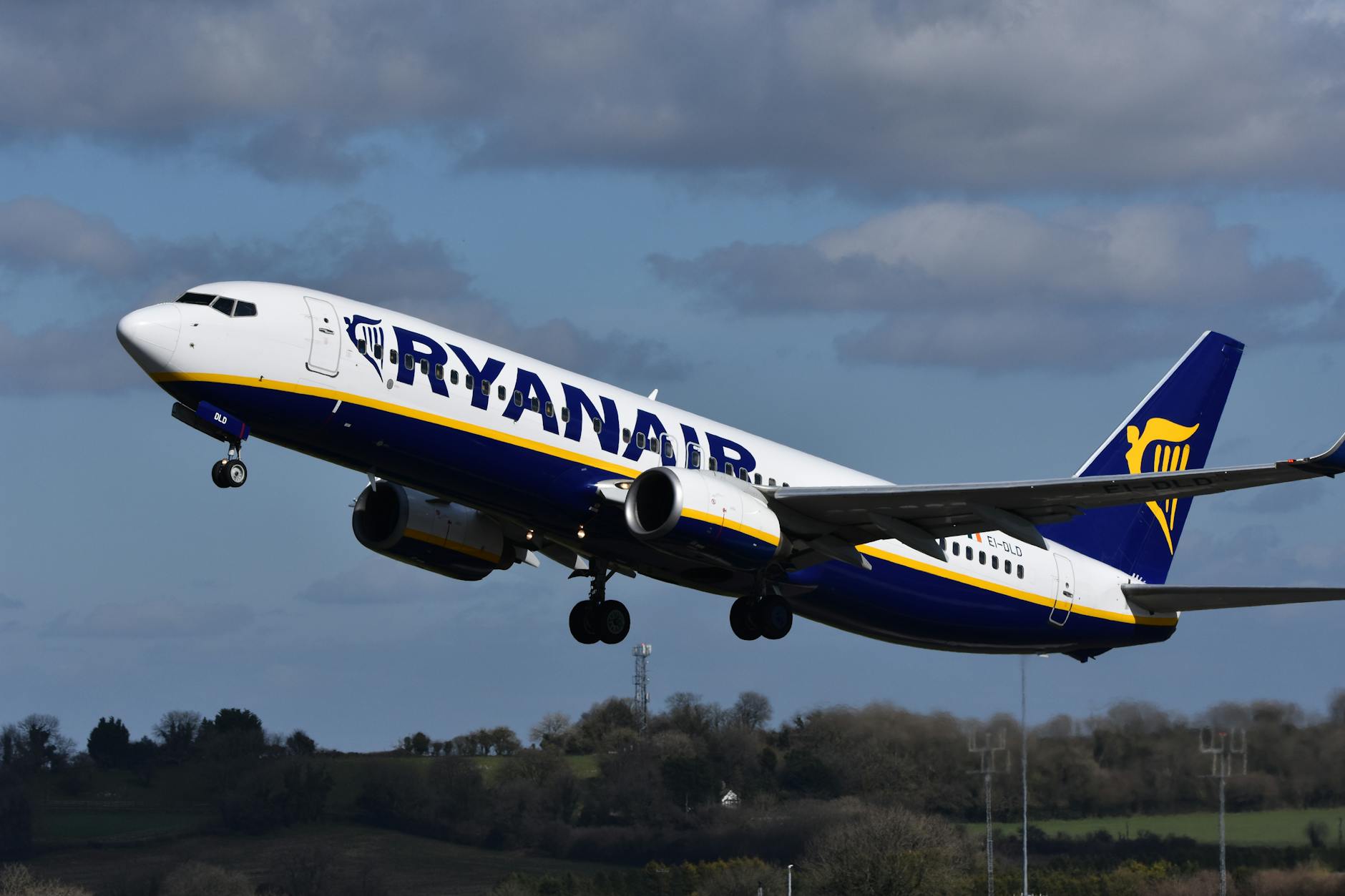
Four rows away, someone opened a packet of nuts anyway. The girl went into anaphylactic shock. The plane had to divert, she was treated in hospital, and the passenger was banned from the airline for two years.
That story ricocheted around the internet because it hits a nerve. Are nut bans real or just suggestions? Can one person’s snack really threaten another person’s life from rows away? Who is actually responsible when it goes wrong?
Here are five hard truths about severe nut allergies on planes, what this Ryanair case revealed, and why it matters far beyond one flight in 2014.
1. Anaphylaxis is not “just an allergy,” it is a medical emergency
What it is: Anaphylaxis is a rapid, life‑threatening allergic reaction that can shut down breathing and blood circulation within minutes. It is not the same as a mild food allergy that causes an itchy mouth or a rash.
In the Ryanair case, the 4‑year‑old girl reportedly went into anaphylactic shock after a passenger opened and ate nuts four rows away, despite repeated warnings. Her reaction was severe enough that the crew diverted the flight to Bologna so she could receive emergency treatment.
Anaphylaxis happens when the immune system massively overreacts to an allergen, like peanut protein. Blood vessels dilate, blood pressure can crash, airways swell, and the person can lose consciousness. The standard emergency treatment is epinephrine (adrenaline), usually via an auto‑injector like an EpiPen, followed by monitoring in a hospital.
Many people still think of food allergies as something you “grow out of” or “toughen up” against. That misunderstanding feeds a lot of the anger in comment sections about nut bans and special requests.
When the Ryanair girl’s throat started to close, the debate about personal freedom versus inconvenience stopped being theoretical. The crew had a medical emergency on their hands, not a parenting dispute or a fussy eater.
So what? Once you understand that anaphylaxis can kill a child in minutes, the whole conversation about nuts on planes shifts from “preference” to “public safety.”
2. Airplanes are controlled environments, but allergens still travel
What it is: Modern commercial aircraft recycle cabin air through HEPA filters, but that does not mean allergens stay politely in one seat row. Proteins from nuts can spread through touch, crumbs, and small particles in the air.
On that 2014 Ryanair flight, the allergic child was four rows away from the passenger who ignored the nut request. Four rows sounds like a safe distance if you imagine allergies as only a problem when someone eats or touches the food directly. For some people, it is not.
Here is how exposure can happen on a plane:
• A passenger opens a bag of peanuts. Tiny fragments and dust get on their hands, tray table, armrest, seatbelt, or passed items.
• The person with the allergy touches a contaminated surface, then rubs their eyes or mouth.
• In very sensitive cases, airborne particles can irritate airways or eyes directly.
Different people have different sensitivity levels. Many peanut‑allergic passengers can sit near others eating nuts without a reaction. A smaller group, like the Ryanair child, react to much lower exposures. Airlines cannot test each passenger’s threshold at the gate.
Cabin air systems mix and recirculate air in sections. They reduce risk over time, but they do not create invisible allergy “force fields” around each row. That is why some carriers, like EasyJet and British Airways on certain routes, will make cabin announcements asking people not to open nut products when a passenger reports a severe allergy.
So what? The Ryanair incident showed that “four rows away” is not a guarantee of safety, and that a shared metal tube at 35,000 feet is not a normal dining room where allergens stay put.
3. Airline allergy policies are a patchwork, not a guarantee
What it is: There is no single global rule for how airlines must handle nut allergies. Each carrier writes its own policy, and those policies range from helpful to vague to “you fly at your own risk.”
Ryanair’s public line has long been that it does not sell peanuts on flights and will make announcements asking passengers not to eat nut products if informed of a severe allergy. In 2014, the crew did exactly that, three times. Then a passenger ignored it.
Other airlines take different approaches:
• Some, like Southwest in the United States, stopped serving peanuts but still allow passengers to bring their own nut products.
• Some will create a “buffer zone” of a few rows where nut products are not served or requested to be avoided.
• A few refuse to make any nut‑free promises at all, warning allergic passengers that they cannot guarantee an allergen‑free environment.
There is also a legal angle. In many countries, severe allergies can be considered a disability. That triggers obligations under disability discrimination laws, but those laws were not written with airborne peanut dust in mind. So airlines, regulators, and courts have been improvising.
After the Ryanair incident, the airline made a point of saying the passenger who ate nuts had ignored repeated warnings and that this was a safety issue, not just a customer service spat. The two‑year ban was as much about sending a message as punishing one person.
So what? The story exposed how uneven and confusing airline allergy policies are, and how much depends on the specific carrier, crew, and even the mood of the cabin that day.
4. Personal freedom on a plane stops where someone else’s airway begins
What it is: The nut‑eating passenger on the Ryanair flight insisted on their right to eat what they wanted. The airline responded by banning them for two years, arguing that ignoring safety instructions is not a “right” but a violation.
On the ground, the argument might have ended with dirty looks. In the air, the stakes are different. Pilots and cabin crew have legal authority to enforce safety rules. Passengers are required to follow crew instructions, even when they find them annoying or excessive.
Think about other safety rules on planes:
• You cannot smoke, even if you are addicted and paid for your seat.
• You must wear a seatbelt when told, even if you find it uncomfortable.
• You cannot drink your own duty‑free alcohol on board, even though you bought it.
All of those rules limit personal freedom to reduce risk. Nut requests fall into the same category when a severe allergy is involved. In the Ryanair case, the airline treated the passenger’s choice to eat nuts after explicit warnings as equivalent to ignoring a seatbelt sign or lighting a cigarette in the toilet: a safety violation.
The two‑year ban was unusual enough to make headlines. It also answered a question many people had never considered: yes, you can be sanctioned by an airline for eating a legal, common food if doing so directly endangers another passenger after you have been warned.
So what? The incident drew a hard line around the idea that “my snack, my choice” does not hold up when someone else’s life is on the other side of that choice in a sealed cabin.
5. Families with allergies carry the burden, but they cannot control everyone
What it is: Parents of children with severe allergies are expected to do everything right: carry medication, inform the airline, wipe down seats, bring safe food. Even then, they rely on strangers to cooperate. That dependence is what makes flying with allergies so stressful.
In the Ryanair case, the girl’s family had done what allergy specialists recommend. They informed the airline, secured announcements, and tried to create as safe an environment as possible. They could not control the stranger four rows away who decided the warnings did not apply to them.
Allergy families often follow a routine like this on flights:
• Notify the airline in advance and again at check‑in.
• Board early if allowed, to wipe down the child’s seat area with wipes.
• Carry at least two epinephrine auto‑injectors and know how to use them.
• Bring all food from home to avoid unknown ingredients.
Even then, there is no way to police every snack in the cabin. That is why some parents choose not to fly at all, or only fly with airlines that have clearer policies and cooperative reputations. It is also why allergy advocacy groups push for standardized rules and better crew training.
The Ryanair story hit a nerve because it showed the limit of parental control. You can do everything right and still be at the mercy of one person who thinks the rules are optional.
So what? The incident made visible a quiet reality: families managing life‑threatening allergies are not asking for special treatment so much as asking strangers not to turn a routine flight into a medical emergency.
The 2014 Ryanair nut allergy incident did not change global aviation law. There was no new treaty banning peanuts at 35,000 feet. What it did do was drag a messy, emotional topic into public view.
It showed that anaphylaxis is not a hypothetical risk. It showed that cabin announcements are not just polite suggestions. It showed that airlines will sometimes back up those announcements with real consequences, like a two‑year ban.
Most of all, it forced a basic question: how much are you willing to change your own tiny habits to keep someone else’s child out of an emergency landing and an ICU bed? For a lot of people, that answer now starts with leaving the nuts in the bag until the plane lands.
Frequently Asked Questions
Can you really have an allergic reaction from someone else eating nuts nearby on a plane?
Yes, some people with severe nut allergies can react to small amounts of allergen from nearby passengers. This can happen through contact with contaminated surfaces or, in very sensitive cases, from airborne particles. Most allergic people are not that sensitive, but a minority are, which is why airlines sometimes ask entire cabins not to open nut products.
Do airlines have to ban nuts if a passenger has a severe allergy?
No, there is no universal rule forcing airlines to ban nuts. Each airline sets its own policy. Some will stop serving nuts and make announcements asking other passengers not to eat nut products. Others warn that they cannot guarantee a nut‑free environment and leave more responsibility on the passenger with the allergy.
What should someone with a severe nut allergy do before flying?
Allergy specialists usually advise notifying the airline in advance, carrying at least two epinephrine auto‑injectors, bringing safe food from home, and wiping down the seat area. Many also recommend asking the crew to make a cabin announcement requesting that nearby passengers avoid nut products, especially on shorter flights where alternatives are easier.
Can an airline really ban you for eating nuts on a flight?
Yes. In the 2014 Ryanair case, a passenger who ate nuts after repeated warnings about a child’s severe allergy was banned from the airline for two years. Airlines can refuse future carriage to passengers who ignore safety instructions, and in this case the nut request was treated as a safety rule, not a casual suggestion.