The Shock of Blitzkrieg: France’s Sudden Collapse
On May 10, 1940, the serene French countryside was shattered by the rumble of German tanks and the roar of aircraft. The German Blitzkrieg, or “lightning war,” had begun, and within six weeks, France, a nation with over a million soldiers, had capitulated. This rapid fall shocked the world and left many wondering how such a powerful military could crumble so quickly.
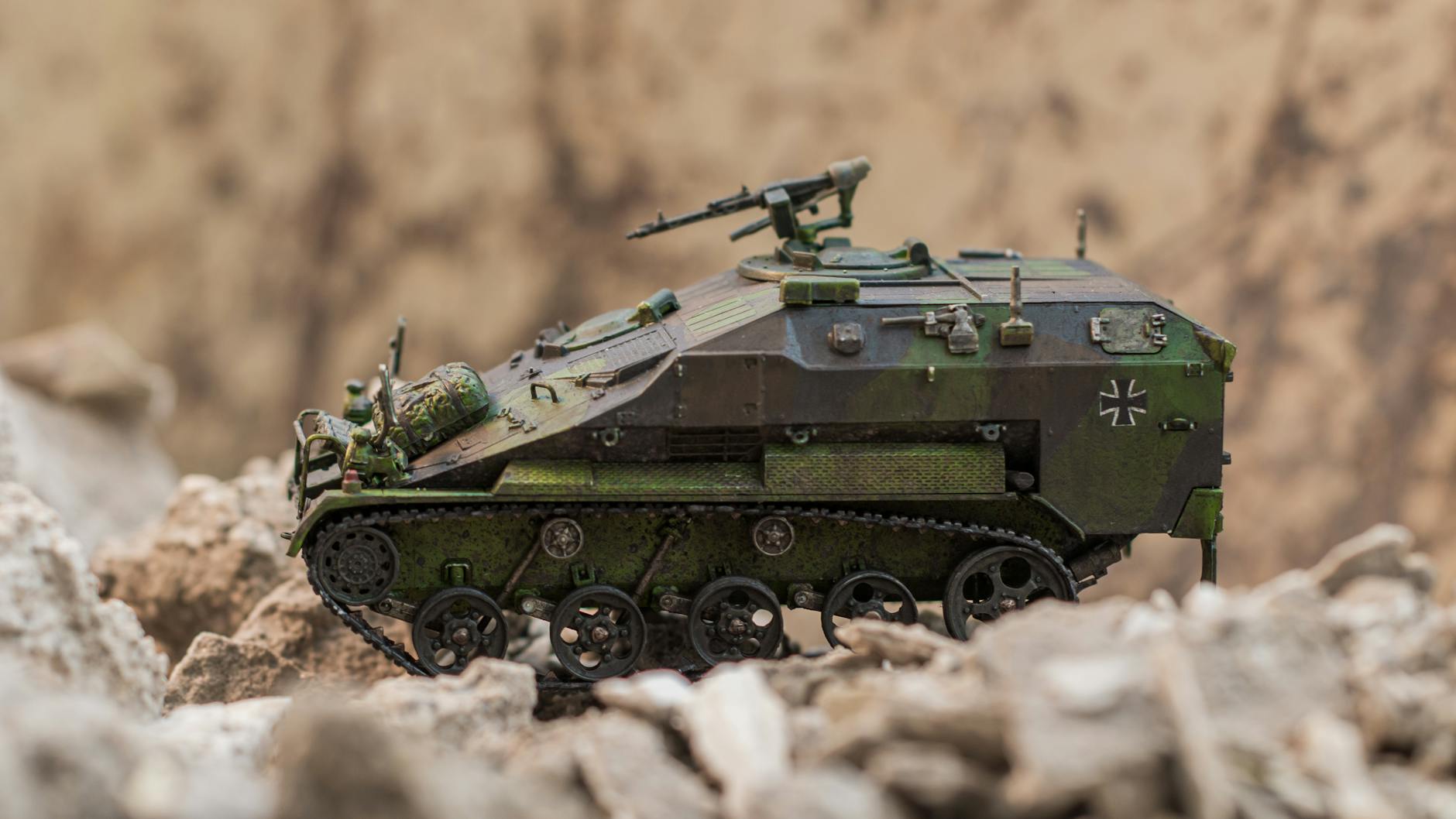
France’s defeat in 1940 was not merely a tale of numbers or sheer force. It was a complex interplay of outdated strategies, leadership failures, and an underestimation of German tactics. By the end of this exploration, we’ll understand why France’s military strength on paper did not translate into battlefield success.
Why Did France’s Strategy Fail?
France’s military strategy in 1940 was heavily influenced by its experiences in World War I. The French high command, haunted by the horrors of trench warfare, invested heavily in the Maginot Line, a series of fortifications along the German border. They believed this would deter any German advance.
However, the Maginot Line had a glaring flaw: it did not extend through the Ardennes Forest, which the French deemed impassable by large forces. The Germans, led by General Heinz Guderian, exploited this oversight. They sent a massive armored force through the Ardennes, bypassing the Maginot Line entirely.
This maneuver allowed the Germans to encircle French and British forces, cutting them off from reinforcements. The French strategy, rooted in static defense, was no match for the dynamic and fast-paced Blitzkrieg. This strategic failure set the stage for France’s rapid defeat.
So what? The decision to rely on outdated defensive tactics directly led to France’s inability to respond effectively to the German invasion.
Leadership Under Pressure: The French Command
The French military leadership in 1940 was marked by indecision and a lack of cohesion. General Maurice Gamelin, the commander-in-chief, was criticized for his slow response and inability to adapt to the rapidly changing battlefield conditions.
Gamelin’s communication with his subordinates was sluggish, and his orders often arrived too late to be effective. Moreover, there was a significant disconnect between the French army’s command structure and the political leadership, which further hampered decision-making.
In contrast, the German command, led by figures like Guderian and Erwin Rommel, was flexible and capable of making quick decisions. This difference in leadership styles contributed to the Germans’ ability to maintain the momentum of their offensive.
So what? The lack of decisive leadership within the French military hierarchy exacerbated the challenges posed by the German invasion.
The Human Element: French Soldiers on the Frontlines
Despite the strategic and leadership failures, French soldiers on the ground fought bravely. Many units, such as those at the Battle of Stonne, put up fierce resistance against the advancing Germans. However, they were often outmaneuvered and outgunned.
As the German forces advanced, many French soldiers found themselves cut off from their units, with no clear orders or support. The rapid German advance created chaos and confusion, leading to large numbers of French troops being encircled and forced to surrender.
Some soldiers continued to fight even after the French government surrendered on June 22, 1940. These pockets of resistance, however, were isolated and lacked the coordination needed to turn the tide.
So what? The individual bravery of French soldiers was not enough to overcome the systemic failures in strategy and leadership.
The Aftermath: Occupation and Resistance
The fall of France had profound consequences for both the nation and the wider world. The country was divided into an occupied zone controlled by Germany and a so-called “Free Zone” governed by the Vichy regime, which collaborated with the Nazis.
This occupation led to the rise of the French Resistance, a diverse movement of fighters who engaged in sabotage, espionage, and guerrilla warfare against the occupiers. Figures like Charles de Gaulle, who fled to Britain, became symbols of French defiance and the hope for liberation.
The occupation also had a significant impact on the Allied war effort. With France out of the fight, Britain stood alone against Nazi Germany until the United States and the Soviet Union joined the war.
So what? France’s fall reshaped the geopolitical landscape of World War II, influencing the strategies and alliances of the Allied powers.
The Legacy of 1940: Lessons Learned
The events of 1940 left a lasting legacy on military strategy and international relations. The failures of the French military highlighted the dangers of relying on outdated tactics and the importance of adaptability in warfare.
In the post-war period, France underwent significant military reforms, focusing on mobility and rapid response capabilities. The lessons learned from the 1940 defeat also influenced NATO strategies during the Cold War.
Additionally, the story of France’s fall serves as a cautionary tale about the consequences of underestimating an adversary and the need for cohesive leadership in times of crisis.
So what? The legacy of 1940 continues to inform military and political strategies, reminding nations of the importance of preparedness and adaptability.
Frequently Asked Questions
How did the German Blitzkrieg strategy work?
The Blitzkrieg strategy involved fast-moving, coordinated attacks using tanks, aircraft, and infantry to quickly overwhelm and encircle enemy forces.
What was the Maginot Line?
The Maginot Line was a series of fortifications built by France along its border with Germany, intended to prevent a German invasion.
Why did French leadership fail during the 1940 invasion?
French leadership was marked by indecision, slow communication, and an inability to adapt to the fast-paced German Blitzkrieg tactics.
What happened to France after it fell to Germany?
France was divided into an occupied zone controlled by Germany and a “Free Zone” governed by the Vichy regime, which collaborated with the Nazis.