Introduction to Interpretatio Graeca
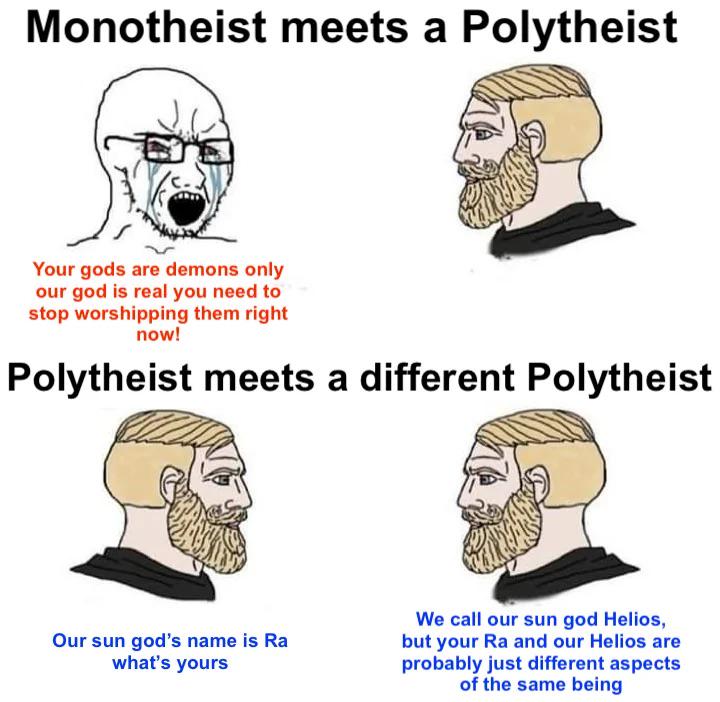
Interpretatio graeca refers to the ancient Greek practice of equating foreign deities with their own gods. This phenomenon was not just a matter of casual comparison but a sophisticated method of understanding and integrating different cultures within the Hellenic worldview. The Greeks, known for their expansive exploration and trade, encountered numerous cultures and religious systems. By aligning foreign gods with their own, they created a framework that allowed for cultural exchange and religious syncretism. This practice was instrumental in the spread of Hellenic culture throughout the Mediterranean and beyond, influencing the religious and cultural landscapes of the regions they interacted with.
The Origins of Interpretatio Graeca
The roots of interpretatio graeca can be traced back to the early Greek encounters with neighboring civilizations. As early as the 8th century BCE, Greek traders and colonists established contact with the Egyptians, Phoenicians, and Persians, among others. These interactions necessitated a method of understanding foreign deities within the Greek religious framework. For instance, the Greek god Zeus was often equated with the Roman Jupiter and the Egyptian Amun. Such comparisons were not arbitrary; they were based on perceived similarities in attributes, functions, or myths associated with the deities.
This practice was further solidified during the conquests of Alexander the Great in the 4th century BCE. Alexander’s empire stretched from Greece to Egypt and as far east as India. His campaigns brought Greek culture into direct contact with a multitude of different traditions, necessitating a more systematic approach to interpretatio graeca. This period marked a significant expansion in the practice, as it became a tool for governance and cultural integration, facilitating the assimilation of conquered peoples into the Hellenistic world.
Key Figures in the Practice
Several key figures played critical roles in the development and propagation of interpretatio graeca. Alexander the Great himself is a prominent figure, as his military campaigns were instrumental in spreading Greek culture and religion across vast territories. His encounters with various cultures required a diplomatic approach to religion, one that interpretatio graeca provided.
Another significant figure is Herodotus, often called the ‘Father of History.’ Living in the 5th century BCE, Herodotus traveled extensively throughout the known world and documented his observations. In his works, he frequently engaged in interpretatio graeca by comparing foreign gods to Greek ones, providing a detailed account of cultural and religious similarities and differences. His writings offered a framework for understanding and integrating foreign deities into the Greek pantheon.
Additionally, philosophers like Plato and later, Plutarch, contributed to the intellectual underpinnings of this practice. They explored the philosophical implications of religious syncretism and the universality of divine principles, which further legitimized and encouraged the practice of interpretatio graeca.
Significant Events and Developments
The practice of interpretatio graeca saw significant developments during the Hellenistic period, following the death of Alexander the Great in 323 BCE. The division of his empire among his generals led to the establishment of Hellenistic kingdoms, such as the Ptolemaic Kingdom in Egypt and the Seleucid Empire in Persia. These kingdoms became melting pots of Greek and local cultures, with interpretatio graeca serving as a bridge between them.
In Egypt, the Ptolemies embraced this practice to legitimize their rule. They identified themselves with both Greek and Egyptian deities, such as Ptolemy I Soter being equated with the Greek god Dionysus and the Egyptian god Osiris. This syncretism was not merely political but also cultural, as it facilitated the blending of Greek and Egyptian traditions, resulting in a unique Greco-Egyptian culture.
The Roman Empire also adopted interpretatio graeca, merging their gods with Greek counterparts. This practice continued to evolve, influencing Roman religious practices and contributing to the syncretic nature of Roman religion.
Consequences of Interpretatio Graeca
The consequences of interpretatio graeca were far-reaching, affecting both the Greeks and the cultures they interacted with. For the Greeks, it allowed for a more inclusive and flexible religious system, accommodating a wide variety of beliefs and practices. This adaptability contributed to the spread of Hellenic culture and religion, making it one of the most influential in the ancient world.
For other cultures, interpretatio graeca often resulted in the assimilation of Greek religious elements into their own traditions. This could lead to the erosion of indigenous religious practices, as local deities were absorbed into the Greek pantheon. However, it also facilitated cultural exchange and the blending of traditions, leading to the creation of new, hybrid forms of worship and cultural expression.
In some cases, interpretatio graeca was met with resistance, as seen in the Jewish opposition to the Hellenistic rulers’ attempts to impose Greek religious practices in Judea. This resistance eventually led to the Maccabean Revolt in the 2nd century BCE, highlighting the tensions that could arise from such cultural and religious integration.
Legacy and Modern Relevance
The legacy of interpretatio graeca is evident in the enduring influence of Greek culture and religion. The practice laid the groundwork for religious and cultural syncretism that continued through the Roman Empire and into the modern era. It demonstrated the power of cultural exchange and adaptation, principles that remain relevant in today’s globalized world.
In contemporary times, interpretatio graeca serves as a historical example of how cultures can interact and influence one another. It offers insights into the processes of cultural adaptation and integration, highlighting both the potential benefits and challenges of such interactions. The practice also underscores the importance of understanding and respecting cultural differences while seeking common ground.
Moreover, interpretatio graeca is a reminder of the fluid nature of religious and cultural identities. In an increasingly interconnected world, the ability to adapt and integrate diverse traditions is more important than ever, making the lessons of interpretatio graeca relevant for modern societies seeking to navigate cultural diversity.
Conclusion
Interpretatio graeca was a sophisticated method of cultural and religious integration that played a significant role in the spread of Greek culture and religion across the ancient world. Through the practice of equating foreign deities with Greek gods, it facilitated cultural exchange and adaptation, leaving a lasting impact on the religious and cultural history of the Mediterranean and beyond. The legacy of interpretatio graeca continues to resonate today, offering valuable insights into the dynamics of cultural interaction and the enduring influence of ancient Greek civilization.
Frequently Asked Questions
What is interpretatio graeca?
Interpretatio graeca is the ancient Greek practice of equating foreign deities with their own gods, facilitating cultural exchange and religious syncretism.
Who were key figures in interpretatio graeca?
Key figures include Alexander the Great, who spread Greek culture across his empire, and Herodotus, who documented similarities between Greek and foreign gods.
What were the consequences of interpretatio graeca?
The practice led to cultural and religious integration, influencing both Greek and foreign traditions, but also faced resistance, as seen in the Maccabean Revolt.
Why is interpretatio graeca still relevant today?
Interpretatio graeca exemplifies cultural adaptation and integration, offering insights into managing cultural diversity in today’s interconnected world.