On a soundstage in Burbank in the early 1960s, a tall, slightly awkward actor kept falling over an ottoman. Not by accident. The gag was the opening of The Dick Van Dyke Show, and the man taking the pratfall was a former radio announcer from Missouri who had been told for years that he was too nice, too lanky, and too ordinary to be a star.
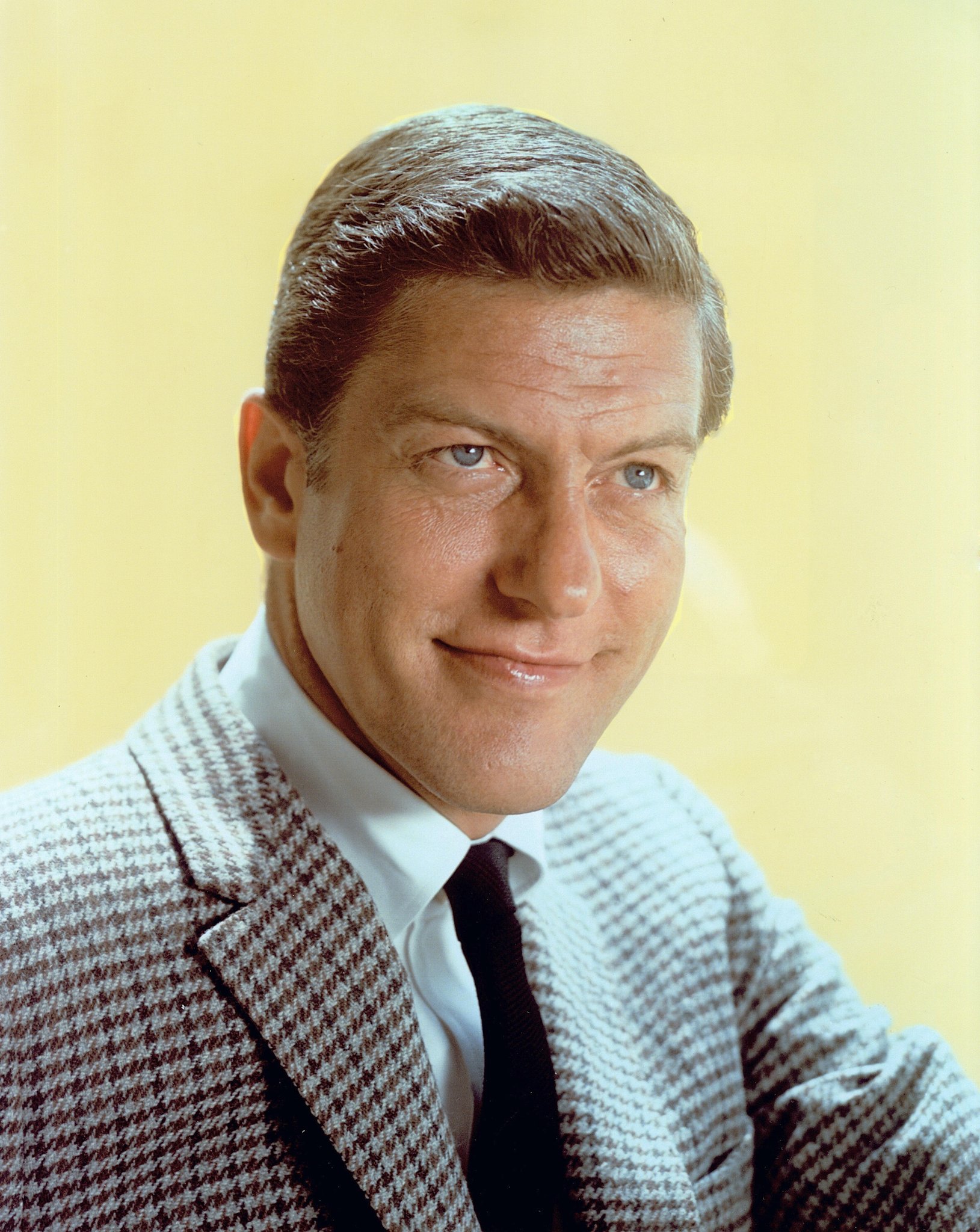
That man, born December 13, 1925, in West Plains, Missouri, was Dick Van Dyke. By the time most Americans knew his name, he had already bounced through small-town radio, failed nightclub acts, and live television. He would go on to redefine what a “family comedian” could be on TV and in film.
Dick Van Dyke is an American actor, comedian, and singer best known for The Dick Van Dyke Show, Mary Poppins, and Chitty Chitty Bang Bang. He blended physical comedy, musical performance, and a believable everyman persona into a style that shaped American entertainment from the 1960s onward.
To understand why a Reddit thread marks his 100th birthday, you have to go back to the 1920s Midwest, through live TV chaos, Disney soundstages, and a very bad Cockney accent that somehow became beloved.
What Dick Van Dyke was: a new kind of TV everyman
At the simplest level, Dick Van Dyke was a mid‑20th‑century American entertainer who moved easily between television, film, stage, and records. He is often labeled a “family entertainer,” but that phrase hides what made him different.
On The Dick Van Dyke Show (1961–1966), he played Rob Petrie, a TV comedy writer with a suburban home, a smart wife, and a young son. The show mixed domestic sitcom with workplace comedy. One minute Rob was arguing with his wife Laura about a mix‑up at home, the next he was in a writers’ room trading jokes with Buddy and Sally. It felt like two shows in one, and Van Dyke was the hinge that made it work.
Physically, he was a throwback to silent film clowns. He tripped, flailed, and folded his lanky frame into impossible shapes. Emotionally, he was modern. Rob Petrie got embarrassed, jealous, insecure. He was not the all‑knowing dad of 1950s sitcoms. He was a man who could be wrong, often.
In films like Mary Poppins (1964), he became something else again: a singing, dancing, broadly comic figure who could still seem sincere even while mangling a Cockney accent. Children believed him. Adults did too, at least enough to buy tickets.
Dick Van Dyke was a bridge figure. He connected the physical comedy of silent film and vaudeville to the verbal, character‑driven comedy of modern television. That mix defined his career and shaped what American audiences expected from a “nice guy” comic lead, so it changed what TV and film producers thought was possible in family entertainment.
What set it off: small‑town roots and the postwar media boom
Dick Van Dyke was born in 1925 in West Plains, Missouri, and grew up in Danville, Illinois. His father was a salesman. His mother was a stenographer. This was not a show business family. It was a Midwestern, churchgoing household in a town where the big excitement was the local movie theater.
He caught the performance bug early. As a teenager he was drawn to drama and speech, and he worked part‑time in local radio. When World War II came, he joined the Army Air Forces. He trained as a pilot but did not qualify, then worked as a radio announcer and entertainer for troops. He did not come home a war hero. He came home with a sense that he could make a living with his voice and his timing.
The timing was lucky. The late 1940s and 1950s were the birth years of American television. Radio performers, nightclub acts, and regional personalities suddenly had a new national platform. Van Dyke tried several paths. He formed a comedy duo, “The Merry Mutes,” which never quite took off. He hosted local TV shows. He did commercials. He learned to survive on charm and persistence.
The postwar boom in advertising and television created a hunger for clean, likable faces who could sell products and keep audiences from changing the channel. Van Dyke’s wholesome look and easy manner fit that need. What might have been a limitation in the era of hard‑edged nightclub comics became an asset in living rooms filled with kids.
The rise of television as a family medium and Van Dyke’s small‑town, nonthreatening persona met at exactly the right moment, so his career grew alongside the new medium that needed someone just like him.
The turning point: from Broadway chorus to TV icon
For all the later fame, Dick Van Dyke’s big break was not on television. It was on Broadway.
In 1960 he landed the role of Albert Peterson in the musical Bye Bye Birdie. The show was a satire of rock‑and‑roll hysteria, loosely inspired by Elvis Presley being drafted. Van Dyke played the nervous songwriter trying to manage the chaos. He sang, danced, and did physical comedy, and New York critics noticed.
He won a Tony Award for Best Featured Actor in a Musical in 1961. That award mattered. It told producers that this tall comic with a radio background could carry a major production. It also brought him to the attention of Carl Reiner, a writer and performer who had been developing a sitcom based on his own life as a comedy writer.
Reiner had already tried a version of the show, Head of the Family, with himself in the lead. It had not sold. Reiner retooled it, kept the basic premise, and looked for a new star. He saw Van Dyke in Bye Bye Birdie and realized he had found his Rob Petrie.
The Dick Van Dyke Show premiered in 1961 on CBS. At first ratings were modest. The network almost canceled it after the first season. But critics liked it, and CBS gave it time. Word of mouth grew. By the mid‑1960s it was one of the most admired sitcoms on television, winning multiple Emmy Awards.
The turning point was that Broadway role. Without Bye Bye Birdie, Van Dyke might have stayed a working but minor TV host. With it, he became the lead of a show that defined the 1960s sitcom, so his career jumped from journeyman performer to household name.
Who drove it: Carl Reiner, Mary Tyler Moore, and Disney’s machine
Dick Van Dyke did not build his career alone. Several key figures and institutions shaped the path that turned a Missouri kid into a centenarian icon.
Carl Reiner was the architect of The Dick Van Dyke Show. He wrote and produced, often acting in episodes as Alan Brady. Reiner’s scripts gave Van Dyke room to use his physical comedy while grounding Rob Petrie in believable emotions. The show’s mix of smart writing and slapstick was not an accident. It was Reiner writing to Van Dyke’s strengths.
Mary Tyler Moore, who played Laura Petrie, was just as important. She was young, sharp, and funny, and she refused to play Laura as a one‑note housewife. The chemistry between Van Dyke and Moore made the marriage feel real. They bickered, flirted, and made mistakes. Viewers saw a couple that looked more like their own lives than the stiff marriages of earlier sitcoms.
Behind them were writers like Bill Persky and Sam Denoff, and a supporting cast that included Rose Marie and Morey Amsterdam. Van Dyke was the face, but the show was a team effort built around his abilities.
Then came Walt Disney. Disney cast Van Dyke in Mary Poppins as Bert, the chimney sweep and jack‑of‑all‑trades. The film, released in 1964, became one of Disney’s biggest hits. Van Dyke danced with animated penguins, sang “Chim Chim Cher-ee,” and delivered an accent that British critics still mock. He later joked about it himself.
Disney did not care about the accent. The studio cared that audiences loved Bert. Van Dyke’s warmth made the character work. He was not a slick song‑and‑dance man. He was a friend, a guide through the magical chaos of the film.
He followed with Chitty Chitty Bang Bang (1968), another musical fantasy that cemented his image as a gentle, slightly bumbling hero in children’s lives. For a generation, he was the man on the TV at night and the movie screen on weekends.
These collaborators and studios shaped the projects that made Van Dyke famous, so his individual talent translated into lasting cultural touchstones rather than forgotten variety shows.
What it changed: sitcoms, masculinity, and “family entertainment”
When people today watch old clips of The Dick Van Dyke Show, it can feel tame. That misses what it changed in its own time.
First, it rewrote the rules of the sitcom husband. In 1950s hits like Father Knows Best or The Adventures of Ozzie and Harriet, the father was calm, wise, and distant from real vulnerability. Rob Petrie, played by Van Dyke, was different. He panicked. He hid mistakes. He apologized. He danced in the living room. He adored his wife and was not afraid to show it.
That model of masculinity, still straight and traditional, allowed more emotional range. It made room for later sitcom dads who could be goofy or openly affectionate without being the butt of every joke.
Second, the show blended work and home in a way that became standard. The writers’ room scenes with Buddy and Sally were as important as the suburban living room. Modern shows like 30 Rock or Abbott Elementary owe something to that structure: a workplace filled with jokes, anchored by a lead who has a home life we also see.
Third, Van Dyke’s film work helped define “family entertainment” as something that could genuinely entertain adults. Mary Poppins and Chitty Chitty Bang Bang were made for children, but parents enjoyed them too. Van Dyke’s charm and physical comedy played on multiple levels. Kids laughed at the pratfalls. Adults caught the wry smiles and asides.
There is also a quieter change. Van Dyke was open, later in life, about his struggles with alcoholism. During the 1970s he sought treatment and spoke publicly about it. For a man associated with wholesome roles, that admission mattered. It reminded audiences that the smiling dad on screen was a working actor with real problems.
By humanizing the sitcom father, blending domestic and workplace comedy, and proving that family films could be witty and emotionally rich, Van Dyke’s work shifted what American entertainment for the whole household looked like, so later writers and actors had a broader template to work from.
Why it still matters: a 1925 birth date in a 2020s world
So why does a Reddit post in 2025 care that Dick Van Dyke was born 100 years ago in West Plains, Missouri?
Part of it is simple longevity. Van Dyke has lived long enough to be rediscovered by multiple generations. Baby boomers watched him first‑run on CBS. Their kids saw him on VHS tapes of Mary Poppins. Their grandkids meet him through streaming and YouTube clips of that ottoman fall.
But the deeper reason is that he represents a particular idea of entertainment that still has pull. In an era of fractured audiences and niche streaming shows, Van Dyke’s career points back to a time when tens of millions watched the same thing at the same hour. His comedy had to work for kids, parents, and grandparents in one shot.
That pressure shaped a style that feels almost foreign now: clean without being saccharine, gentle without being dull, physical without cruelty. When people say they miss “old TV,” they often mean they miss the feeling of safety and shared experience that performers like Van Dyke created.
There is also the historical curiosity. A 1925 birth date means Van Dyke’s life spans silent film, radio, black‑and‑white TV, color TV, VHS, cable, DVDs, and streaming. He started in live radio and ended up guest‑starring on Scrubs and Diagnosis: Murder. Few careers map the entire arc of 20th‑century American entertainment so neatly.
His famously bad Cockney accent in Mary Poppins has become a meme and a running joke. Yet the fact that audiences still care enough to joke about it shows how deeply that film lodged in cultural memory. People do not parody what they have forgotten.
Remembering that a century ago a baby named Richard Wayne Van Dyke was born in a small Missouri town forces a simple question: how did that kid end up shaping what millions of people thought a funny, decent man looked like on screen? The answer runs through war, new technologies, and changing ideas about family, so his 100th birthday is not just a trivia note. It is a reminder of how one performer’s style can quietly bend the course of popular culture.
Frequently Asked Questions
Who is Dick Van Dyke and why is he famous?
Dick Van Dyke is an American actor, comedian, and singer born on December 13, 1925, in West Plains, Missouri. He is famous for starring in the 1960s sitcom The Dick Van Dyke Show and in films like Mary Poppins and Chitty Chitty Bang Bang, where he blended physical comedy, music, and a believable everyman persona.
What was The Dick Van Dyke Show about?
The Dick Van Dyke Show (1961–1966) followed Rob Petrie, a television comedy writer, as he balanced his work in a Manhattan writers’ room with life at home in the suburbs with his wife Laura and their son. It mixed workplace and domestic comedy, used sharp writing by Carl Reiner and others, and helped redefine the sitcom husband as funny, vulnerable, and emotionally open.
Why is Dick Van Dyke’s Mary Poppins accent so often mocked?
In Mary Poppins (1964), Dick Van Dyke played Bert the chimney sweep with an exaggerated and inaccurate Cockney accent. British audiences and critics have long joked about how inauthentic it sounded. Van Dyke himself has admitted it was bad. Despite that, his warmth, dancing, and songs made the character beloved, and the accent has become a lighthearted cultural joke rather than a career‑damaging flaw.
How did Dick Van Dyke influence later TV and film comedy?
Dick Van Dyke influenced later comedy by blending old‑school physical gags with modern, character‑driven humor. His portrayal of Rob Petrie helped shift sitcom fathers from stiff authority figures to emotionally expressive, fallible men. The structure of The Dick Van Dyke Show, which moved between home and workplace, shaped later series, and his film work showed that family movies could entertain adults and children at the same time.