They look similar because they were all “mansions of millions of years.” How the Ramesseum of Ramesses II compares to other Egyptian mortuary temples.
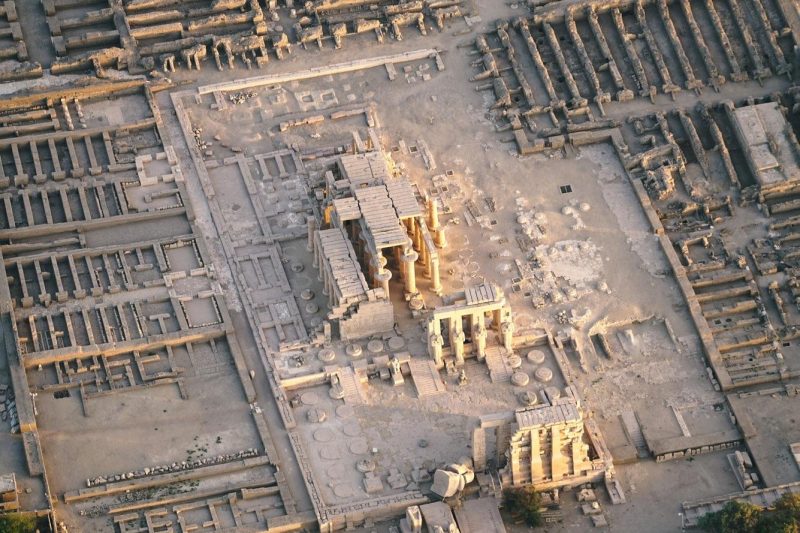
They look similar because they were all “mansions of millions of years.” How the Ramesseum of Ramesses II compares to other Egyptian mortuary temples.
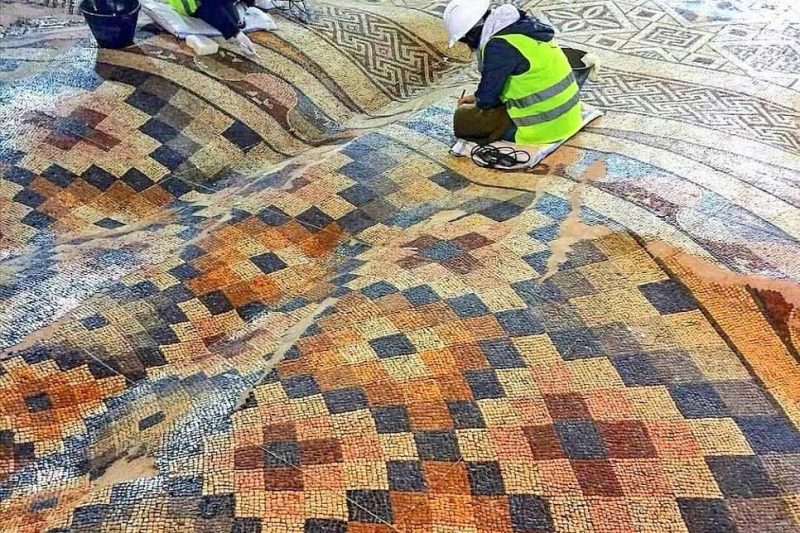
A Roman mosaic in Turkey captured an earthquake’s wave without breaking. Here are 5 surprising things Roman mosaics can do and what they reveal about the empire.
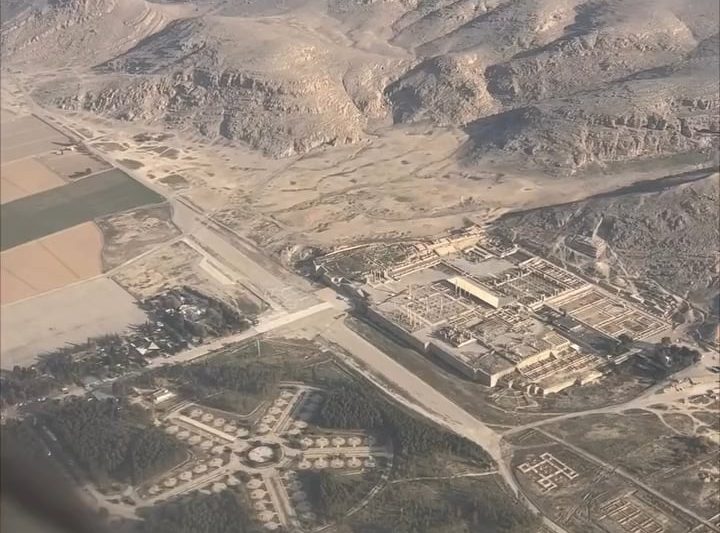
Persepolis was the ceremonial capital of the Achaemenid Persian Empire. How was it built, what happened there, and why did Alexander the Great burn it?
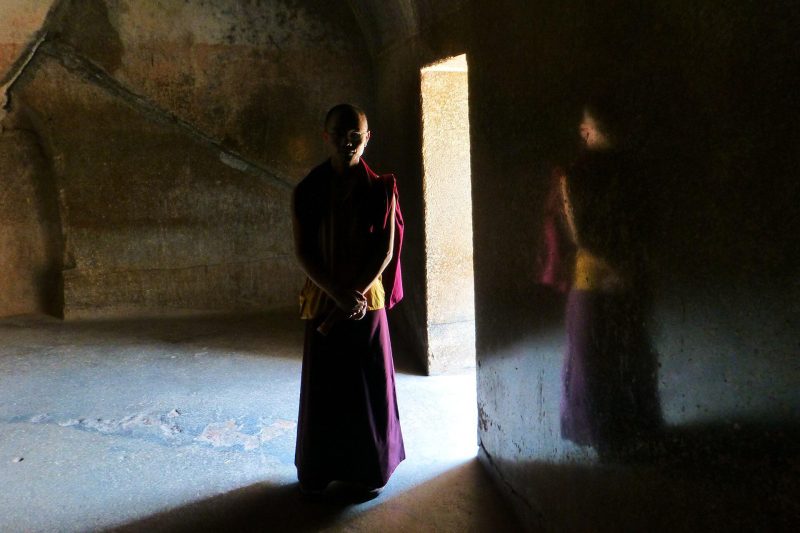
Why do the 2,200-year-old Barabar Caves in India look like high-tech stonework? Compare their mirror-polished granite to ancient Egyptian stoneworking methods.
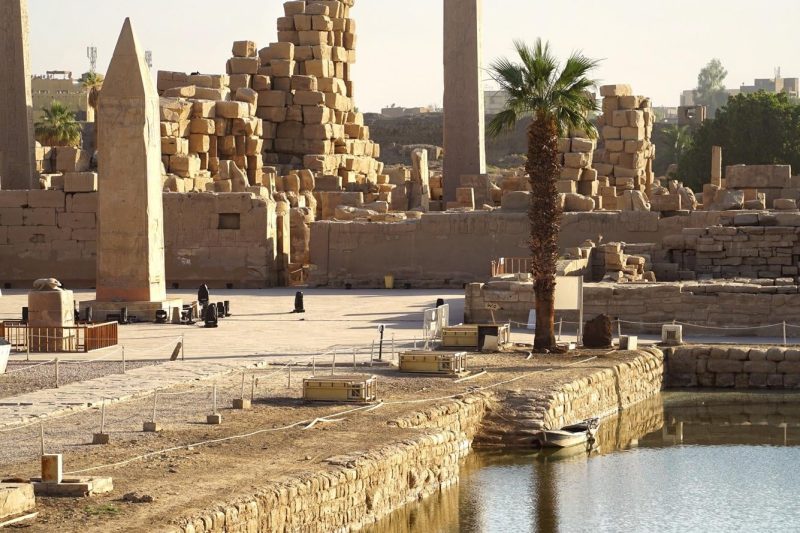
A counterfactual look at ancient Egypt: what if Karnak Temple was never built, finished under one king, or turned into a political capital instead of a cult center?
A rare Sumerian clay tablet from Umma shows an early house plan. Here are 5 things it reveals about daily life, architecture, and math in ancient Mesopotamia.
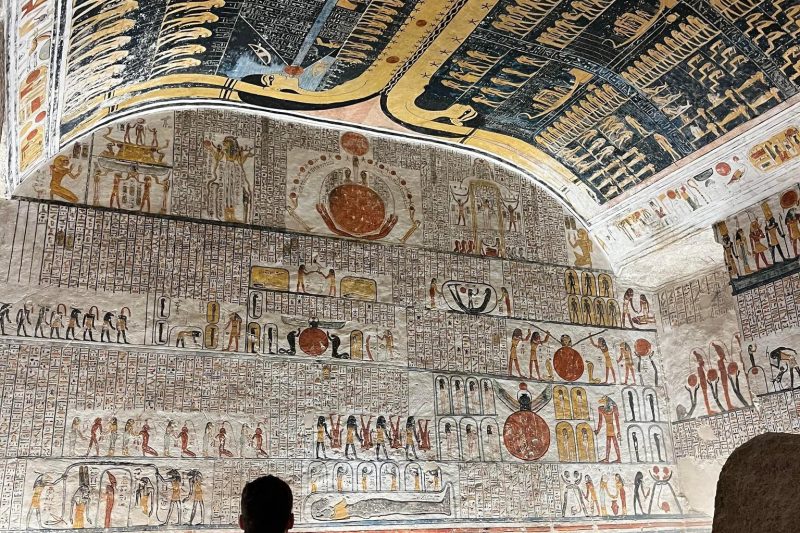
Why is the tomb of Ramesses VI in the Valley of the Kings so impressive? Explore its history, decoration, looting, and legacy in New Kingdom Egypt.
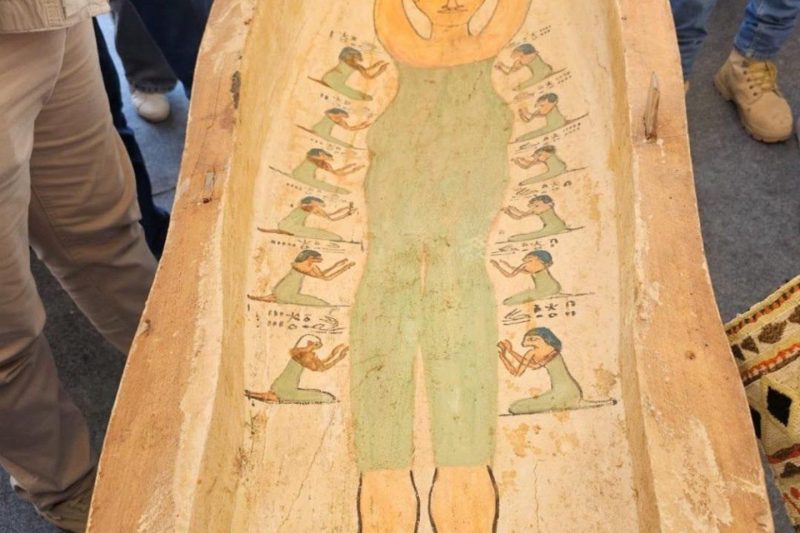
A 3,500-year-old Egyptian sarcophagus carving looks like Marge Simpson. Coincidence? Compare their origins, methods, outcomes, and legacy across 3 millennia.
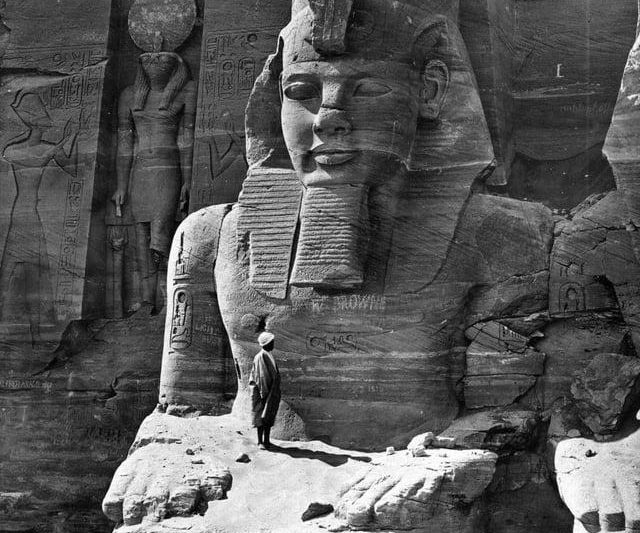
Why is there an 1856 photo of a man standing on Ramesses II’s statue in Egypt? How early tourism, looting, and colonial attitudes shaped our view of ancient Egypt.
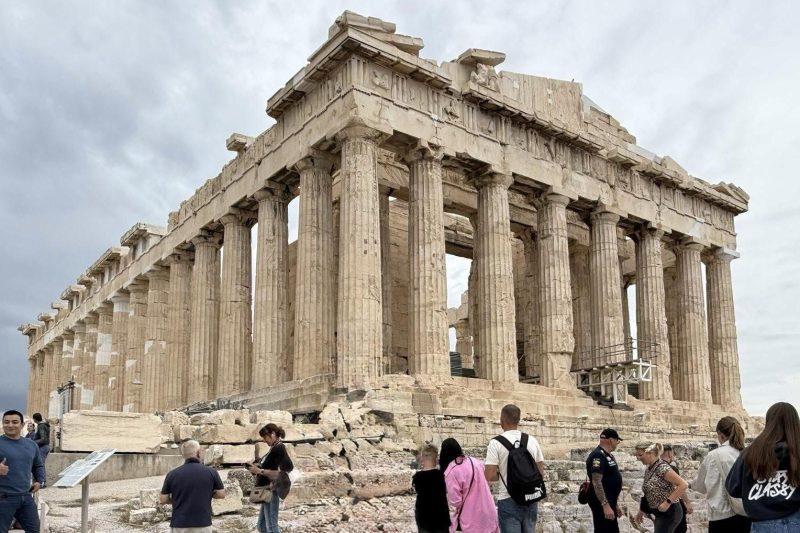
Imagine the Parthenon without explosions, looting or heavy restoration. How would an intact temple have changed Athens, archaeology and world politics?