Introduction
Anne Frank’s diary offers a poignant glimpse into the harrowing reality faced by Jews during World War II. Her detailed accounts of concentration camps, despite being written in hiding, raise questions about how much was known about these camps at the time. This article examines five reasons why Anne Frank was aware of the grim realities of concentration camps, challenging the common belief that the world was largely unaware until after the war.
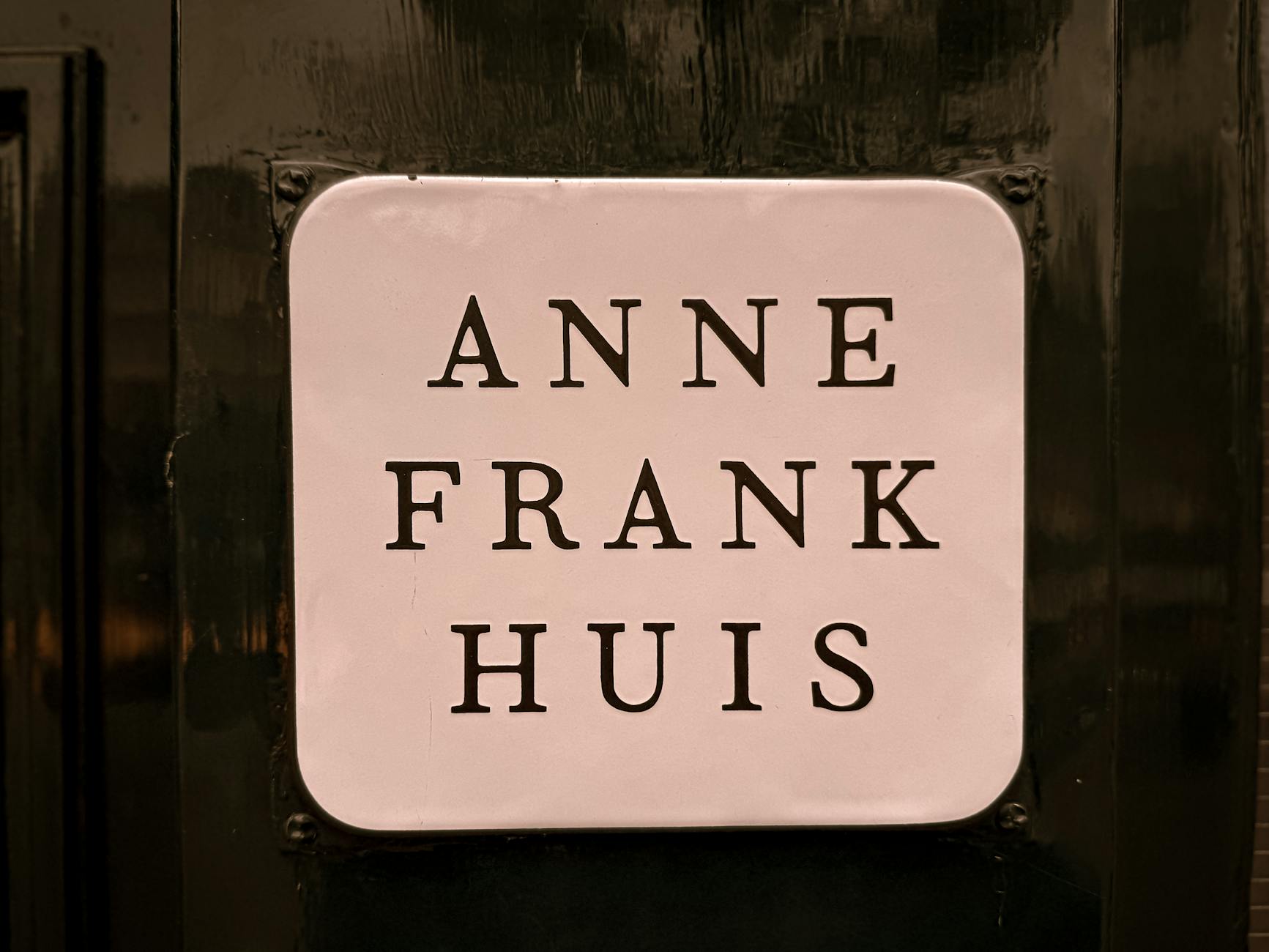
1. Information from the Dutch Resistance
The Dutch Resistance played a vital role in disseminating information about the atrocities committed by the Nazis. Anne Frank and her family, while in hiding, were in contact with members of the Resistance, including Miep Gies, who helped them during their time in the Secret Annex. Miep and others provided the Franks with news from the outside world, including reports about the deportation of Jews and the conditions in camps like Westerbork.
Westerbork, located in the northeastern Netherlands, was a transit camp where Jews were held before being sent to extermination camps in Eastern Europe. The Resistance network was crucial in spreading information about such camps, and Anne’s diary entry from October 9, 1942, reflects the detailed accounts she received from those risking their lives to bring the truth to light.
2. BBC Radio Broadcasts
During the war, the BBC World Service was a significant source of information for those living under Nazi occupation. The BBC broadcasts, often listened to in secret, provided news about the war and the situation in occupied territories. Anne Frank mentions the English radio in her diary, indicating that she was aware of the information being shared about the Nazis’ actions.
The BBC reported on the gassing of Jews, a fact Anne references in her diary. These broadcasts were a lifeline for many in occupied Europe, offering a glimpse of hope and a connection to the outside world. Despite Nazi efforts to control information, the BBC played a crucial role in ensuring that people like Anne Frank were informed about the broader context of the war and the Holocaust.
3. Eyewitness Accounts from Escapees
Anne’s diary entry mentions a person who managed to escape from Westerbork, highlighting the importance of firsthand accounts in spreading knowledge about concentration camps. Escapees and survivors who managed to flee from camps often shared their experiences with others, providing a firsthand look at the horrors they had endured.
These stories, although rare, were a powerful source of information. They helped to paint a picture of the conditions in the camps, contributing to the broader understanding of the Holocaust among those in hiding or in the Resistance. Anne’s awareness of these accounts is a testament to the bravery of those who risked everything to share their stories.
4. The Role of the Jewish Council
In Nazi-occupied territories, Jewish Councils were established to manage the Jewish population under German orders. In Amsterdam, the Jewish Council played a dual role, both as an administrative body and as a source of information. Although the Council was forced to comply with Nazi demands, it also acted as a conduit for information within the Jewish community.
Through the Jewish Council, news about deportations and the conditions in camps like Westerbork spread among the Jewish population. Anne Frank’s diary reflects an awareness of these developments, suggesting that the Jewish Council’s communications, albeit restricted, were another channel through which she learned about the grim realities facing her community.
5. Rumors and Community Networks
Even in the absence of official news, rumors and word-of-mouth played a significant role in spreading information during the war. The Jewish community, tightly knit and facing a common threat, relied on informal networks to share news and warnings. Anne Frank’s diary illustrates how these community networks functioned, with people like Miep Gies acting as intermediaries who relayed information to those in hiding.
These networks were essential in a time when official channels were either controlled by the Nazis or simply non-existent. The stories and rumors that circulated helped to create a picture of the reality outside, informing those in hiding about the dangers they faced and the fate of those who had been deported.
Conclusion
Anne Frank’s diary is a testament to the resilience and determination of those who sought to uncover the truth during one of history’s darkest periods. Her knowledge of concentration camps, despite being in hiding, challenges the notion that the world was unaware of the Holocaust until after the war. Through the efforts of the Resistance, broadcasts from the BBC, eyewitness accounts, the Jewish Council, and community networks, Anne and others like her were able to piece together a grim picture of the world outside their hiding places. This knowledge not only informed her writing but also serves as a reminder of the power of information and the courage of those who risked everything to share it.
Frequently Asked Questions
How did Anne Frank receive news while in hiding?
Anne Frank received news through the Dutch Resistance, particularly from Miep Gies, who brought updates from the outside world. She also listened to BBC radio broadcasts, which reported on the war and the Holocaust.
What role did the BBC play in informing occupied Europe during WWII?
The BBC World Service provided crucial information to people in Nazi-occupied Europe, offering news about the war and the atrocities committed by the Nazis. Despite efforts to control information, the BBC broadcasts were a vital source of news.
What was the function of the Jewish Council in Amsterdam during the war?
The Jewish Council in Amsterdam was established to manage the Jewish population under German orders. It also served as a source of information within the Jewish community, spreading news about deportations and camp conditions.
How did community networks help spread information during the Holocaust?
Community networks, through rumors and word-of-mouth, played a significant role in spreading information during the Holocaust. These informal channels helped to share news and warnings among the Jewish community and those in hiding.