She is in lace and tulle, he is in a dark suit that looks a size too big. The Reddit post is simple: a 1956 wedding photo, a honeymoon snapshot, and a line from their grandchild: “My grandmother passed this morning… I imagine she must be very excited to be back with him.”
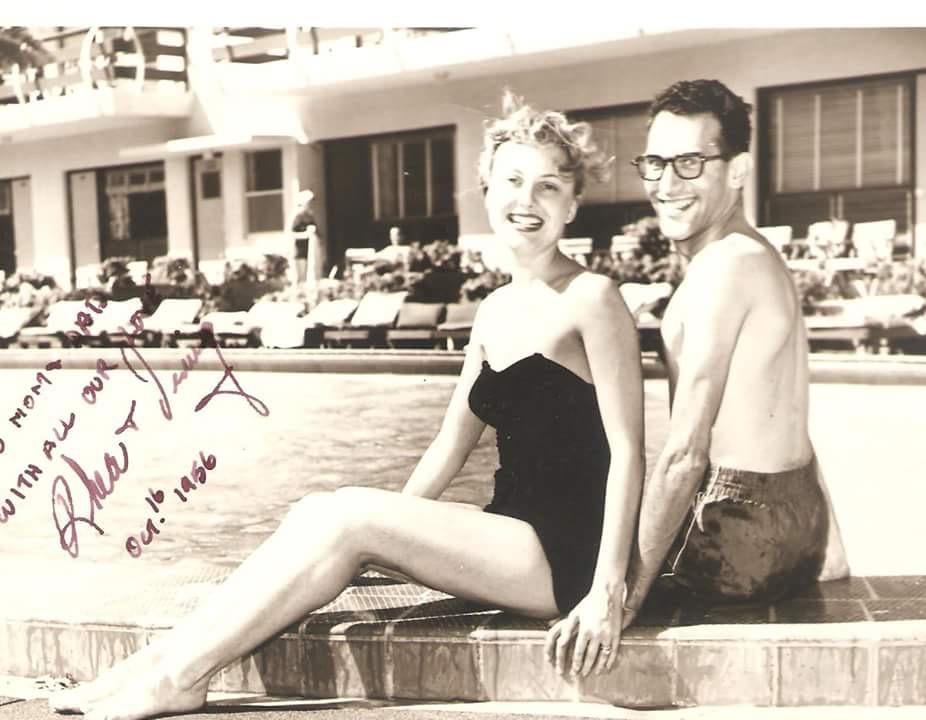
That mix of grief, romance, and nostalgia hit a nerve. Tens of thousands of people upvoted, many of them staring at the grainy black-and-white images and thinking the same thing: Did people love differently back then? Were 1950s marriages really more solid, more permanent, more… something?
1950s weddings were not just about dresses and cake. They were rituals built on specific laws, expectations, and economic realities that shaped how couples lived and stayed together. By looking at what was happening around couples like that 1956 bride and groom, we can see what those marriages got right, what they got wrong, and why they still haunt our imagination.
Here are five things that defined mid‑1950s weddings and marriages, each with a real example and a clear consequence.
1. Weddings Were Young, Fast, and Very Permanent
What it was: In the 1950s, people married younger, faster, and with a much stronger expectation that it was for life. Divorce was rare, expensive, and heavily stigmatized.
In the United States in 1956, the median age at first marriage was about 22 for men and 20 for women. In some regions, especially the South and Midwest, it was even younger. Getting married right out of high school or after a short courtship was not unusual. It was the script.
Divorce, on the other hand, was hard. Most states still required proof of “fault,” like adultery or cruelty. No‑fault divorce would not arrive in the U.S. until California passed it in 1969. In 1956, a couple who simply “fell out of love” had very few legal options and a lot of social pressure to stay put.
Example: Take Queen Elizabeth II and Prince Philip, married in 1947 but very much icons of 1950s marriage. They were young, she was 21, he was 26. Their marriage survived decades of strain, including his naval career, her sudden accession to the throne in 1952, and long separations. Divorce was unthinkable for them, not just personally but socially and politically.
On the other end of the spectrum, Hollywood star Debbie Reynolds married singer Eddie Fisher in 1955. They were both in their early 20s, America’s sweethearts, and the press sold their wedding as a fairy tale. When Fisher left Reynolds for Elizabeth Taylor in 1958, the scandal was so intense because divorce and infidelity clashed with the era’s ideal of lifelong marriage.
Why it mattered: This expectation of permanence shaped how couples like that 1956 pair approached conflict, money, and family. You did not plan for an exit. You planned to endure. That created deep stability for many children and communities, but it also trapped people in unhappy or unsafe marriages. The Reddit fantasy of “reunited grandparents” rests on a real 1950s belief: love was supposed to last until death, because there were few socially acceptable alternatives.
2. The Gender Deal: Breadwinner Husbands and Homemaker Wives
What it was: The classic 1950s wedding vow was not just about love. It was a contract: he would earn the money, she would run the home. This breadwinner–homemaker model was sold as modern and ideal, even though it was only truly possible for some families.
After World War II, millions of women who had worked in factories were pushed back into domestic roles. Popular magazines, advice columns, and even government policy pushed the idea that a “normal” marriage meant a full‑time housewife and a male provider. In 1950, about one‑third of American women worked for pay. By 1960, that had risen, but married women with young children were still expected to be at home.
Example: Mamie Eisenhower, wife of President Dwight D. Eisenhower, embodied the 1950s First Lady ideal. She was visible, stylish, and active in charity work, but she carefully framed herself as a supportive wife whose main job was creating a warm home. The press praised her “good housekeeping” and recipes, not political influence.
On the other side, you had Lucille Ball and Desi Arnaz, whose show “I Love Lucy” debuted in 1951. Lucy Ricardo desperately wanted to perform and work, but the plot almost always snapped her back into the role of housewife. The jokes only made sense in a world where a married woman’s ambition was seen as cute, not serious.
Why it mattered: For couples like the 1956 grandparents, this gender deal shaped everything from who controlled the checkbook to who got to dream. Many women were financially dependent on their husbands, which made divorce or leaving abuse far harder. At the same time, some families did gain a sense of clear roles and shared purpose. The nostalgic glow around “grandma and grandpa’s marriage” often comes from this visible division of labor, even though it rested on limited options for women.
3. The Postwar Boom Made Weddings Feel Like a Fresh Start
What it was: 1950s weddings happened in the middle of an economic surge. For many white, middle‑class couples in North America and Western Europe, marriage came with real material rewards: a house, a car, and rising incomes.
After 1945, the GI Bill in the United States helped millions of veterans attend college and buy homes. Suburbs exploded. In 1956, the same year as the Reddit grandparents’ wedding, President Eisenhower signed the Federal-Aid Highway Act, which funded the interstate system and made suburban life even more accessible.
Marriage was the gateway to these benefits. Banks were more willing to lend to married men. Employers often paid “family wages” that assumed a nonworking wife at home. The idea of the honeymoon itself grew in popularity, with couples traveling by car to new motels, national parks, or, if they were lucky, to places like Niagara Falls, which had been a honeymoon cliché since the 19th century but boomed again in the 1950s.
Example: Levittown, New York, started in 1947, became the symbol of this new married life. Rows of nearly identical houses, sold primarily to white veterans and their young wives, created a world where a 1956 couple could move into a brand‑new home with a small down payment. Photos from Levittown show young couples in their twenties holding babies on freshly sodded lawns. Marriage and homeownership were tightly linked.
In Britain, where rationing lasted into the early 1950s, the Coronation of Queen Elizabeth II in 1953 helped mark a psychological shift. Weddings in the mid‑1950s began to feature more food, more fabric, and more consumer goods as the economy improved. A 1956 British bride might finally have enough sugar and butter for a proper cake.
Why it mattered: The economic boom made marriage look like a ticket to adulthood and comfort, not just a moral duty. For many couples, including that Reddit pair, the wedding was the starting gun for buying a home, having children, and climbing into the middle class. That material foundation helped some marriages feel secure, which feeds today’s nostalgia. It also hid deep racial and class inequalities, since many Black couples and poor families were shut out of the same benefits.
4. Religion and Community Watched Your Marriage Closely
What it was: Weddings in the 1950s were usually public, religious, and deeply tied to community. Churches, synagogues, and extended families did not just bless the marriage. They monitored it.
In the United States in the 1950s, church membership climbed to historic highs. By some estimates, around two‑thirds of Americans belonged to a religious congregation. In many towns, the church or synagogue was where you met your spouse, held your wedding, and then brought your children for baptism or bar mitzvah.
Religious teaching about marriage was clear. Divorce was a sin or at least a serious failure. Sex before marriage was condemned. Mixed‑faith marriages were discouraged. The community’s opinion mattered. Neighbors noticed if a husband’s car was not in the driveway at night.
Example: Think of Grace Kelly’s 1956 wedding to Prince Rainier III of Monaco. The ceremony at Saint Nicholas Cathedral was a Catholic spectacle watched by millions on television. The religious setting and vows were not just decoration. They signaled that this was a sacred, permanent union. When the marriage later became strained, divorce was never on the table, partly because of that religious and public framing.
On a more ordinary level, small‑town weddings in places like Iowa or Ontario in 1956 often filled the local church. Afterward, the couple might have a reception in the church hall or a Legion hall, with the entire town invited. Aunties and elders felt free to comment on the bride’s dress, the groom’s manners, and, later, the state of their marriage.
Why it mattered: Religious and community pressure kept many couples together and made marriage feel larger than the two people involved. For some, that meant support during hard times. For others, it meant shame and silence around abuse, infidelity, or unhappiness. The modern Reddit idea that grandparents are “reunited” after death reflects how deeply 1950s marriages were framed in religious terms, as bonds that outlasted life itself.
5. The Photos We Saved Turned Real Marriages into Fairy Tales
What it was: Most of what we remember about 1950s weddings comes from a handful of posed photographs. Those images were carefully staged to show joy, beauty, and order. They left out the mess.
Wedding photography in the 1950s was still formal. A professional photographer, or the one relative with a decent camera, shot a small number of black‑and‑white images. Film was expensive. People posed stiffly. Smiling was encouraged, but not the wild, candid shots we expect today.
Those photos then lived in albums and frames for decades. Children and grandchildren saw the same images over and over: the bride on her father’s arm, the kiss on the church steps, the honeymoon snapshot in front of a motel or a monument. The fights, money worries, miscarriages, and quiet reconciliations were not photographed.
Example: Look at the famous 1953 wedding photo of John F. Kennedy and Jacqueline Bouvier. She is in a full skirted gown, he is in tails, and the crowd of guests looks like a who’s who of American politics. The picture has been reprinted endlessly as an image of mid‑century glamour and love. Yet their marriage, as later biographies make clear, was strained by his serial affairs and the pressures of public life.
The Reddit post about the 1956 grandparents works the same way. We see a young couple on their wedding day and honeymoon, frozen in happiness. The grandchild’s caption about them being “reunited” after death layers a story of lifelong devotion onto those images. That story might be true. It might also skip over decades of ordinary frustration and compromise.
Why it mattered: The way we photographed and remembered 1950s weddings created a powerful myth of simple, enduring love. That myth comforts people who are grieving, like the Reddit poster, and it feeds the idea that earlier generations “did marriage better.” It also flattens the past, hiding the hard parts and making it easy to compare our messy present to a carefully edited version of someone else’s life.
The 1956 wedding in that Reddit post is not just a sweet story about grandparents. It is a doorway into a very specific world: early marriage, strict gender roles, economic boom, religious pressure, and carefully staged memories. Some of what that world produced was real stability and deep companionship. Some of it was silence and constraint.
When people say their grandparents are “reunited,” they are doing two things at once. They are expressing grief in the language of faith and romance that those grandparents might have used themselves. They are also reaching for a time when love looked simpler, even if it never really was.
Understanding what 1950s weddings were actually like does not ruin the magic of those old photos. It makes the love inside them more impressive. If a couple married in 1956 managed to stay kind to each other through all that history, that is not just nostalgia. That is hard work, done in a world very different from ours.
Frequently Asked Questions
Were marriages stronger in the 1950s than today?
Divorce rates were lower in the 1950s, but that does not automatically mean marriages were stronger. Divorce was expensive, legally difficult, and heavily stigmatized. Many people stayed married because of social pressure, religion, or financial dependence, not only because of happiness or compatibility.
What was the average age to get married in the 1950s?
In the United States in the mid‑1950s, the median age at first marriage was about 22 for men and 20 for women. In some regions and communities, especially rural or religious ones, people often married even younger.
Did most women work after marriage in the 1950s?
Many married women did some form of paid work, but the ideal promoted in media and policy was the full‑time homemaker. Middle‑class white women were especially pushed toward staying home, while working‑class and minority women were more likely to work out of economic necessity.
Why do old wedding photos look so formal and serious?
Film and professional photography were expensive in the 1950s, so couples took fewer photos and posed carefully. Wedding photography focused on formal portraits and key moments, not candid shots. That is why many images from the era look stiff, controlled, and almost fairy‑tale perfect.