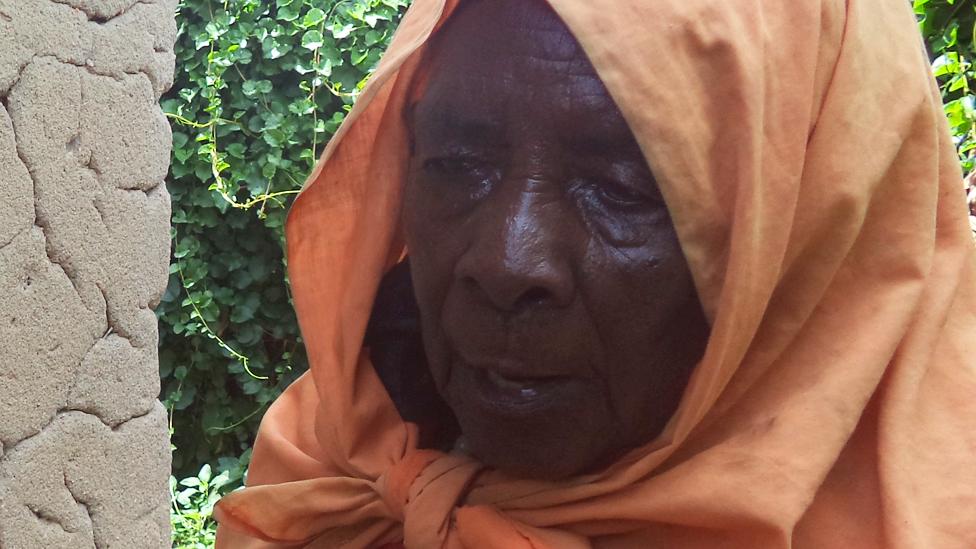
They came with machetes and guns. Outside a two-room mud house in Musamo village, central Rwanda, a mob of young men shouted for the Tutsis hiding inside. The old woman at the door did not run. She smeared in strange herbs, hair wild, eyes unblinking, told them that if they crossed her threshold, God and the spirits would kill them first.
They backed away.
During the 1994 Rwandan genocide, an elderly widow named Zura Karuhimbi sheltered more than 100 people in her tiny house. She did it not with weapons or political connections, but by leaning into a rumor: that she was a witch. She weaponised fear and belief to hold off killers for weeks.
Here are five things about Zura Karuhimbi that show how one woman, her reputation, and a lot of nerve changed the odds for those hiding behind her door.
1. She turned a witchcraft rumor into a weapon of survival
The first thing to understand about Zura Karuhimbi is that her greatest protection was not a gun or a wall. It was a story. For years, neighbors in Ruhango District believed she had magical powers. Her family were traditional healers, and in rural Rwanda that line between healer and sorcerer could blur in the public imagination.
By 1994, that rumor had hardened into local folklore. People said Karuhimbi could curse enemies, call down misfortune, or speak with spirits. She never publicly denied it. When the genocide began in April 1994, that reputation became her shield. She knew that in a moment when the state, the police, and the church were all unreliable or complicit, fear of the invisible might be the only thing that could restrain a mob.
The concrete example is her own front yard. When Interahamwe militia and local killers arrived, they did not find a pleading grandmother. They found the “witch of Musamo,” painted in herbs, shouting prophecies of divine punishment. She told them that if they entered her house, they would unleash the wrath of God and the spirits, and they would die in horrible ways. In a context where many of the attackers were steeped in both Christian and traditional beliefs, that was not an idle threat.
This mattered because it shows how belief systems, even superstitions, can become tools of resistance. Karuhimbi did not invent the rumor. She redirected it. In a genocide where propaganda had turned neighbors into killers, she used a different kind of story to make them hesitate, and that hesitation kept more than 100 people alive.
2. She weaponised herbs, pain, and performance to make fear feel real
Rumors alone would not have been enough. Karuhimbi understood that fear works best when it has physical proof. So she turned her house and her own body into a stage set for terror.
According to accounts collected after the genocide, she painted herself and her house with herbs that irritated the skin. These were not mystical ingredients. They were plants that caused itching and burning on contact. Anyone who brushed against the walls or tried to grab her might feel sudden discomfort. For people primed to believe in her “powers,” that sting could feel like a curse.
She also leaned into the role. Witnesses described her as loud, confrontational, and theatrically strange when killers arrived. She shouted, waved her arms, invoked God and spirits, and refused to show fear. In one incident reported by the BBC, she confronted a group of soldiers and militia who demanded she hand over those hiding inside. She told them that if they entered, they would die within days. They left.
The concrete example here is the use of those skin-irritating herbs. This was not random folk medicine. It was tactical. By making contact with her house physically unpleasant, she gave attackers a sensory experience that matched the story they already believed about her. The itch on their arms became “proof” that she was dangerous.
This mattered because it shows how she combined psychology and simple chemistry to raise the cost of violence. She could not outfight a mob, but she could make approaching her feel risky and uncanny. In a genocide driven by propaganda and fear, she used those same tools in reverse, to protect rather than to destroy.
3. She hid more than 100 people in a two-room house and refused to sort who lived or died
It is easy to say “she sheltered more than 100 people” and move on. The reality inside that house was far more intense. Zura Karuhimbi lived in a small, two-room dwelling. During the height of the genocide, that space was crammed with over 100 terrified people, according to her own later accounts and those of survivors.
They were mostly Tutsis, the primary targets of the genocide, but not only. She also hid some Hutu opponents of the killings and at least one Italian man, a missionary or aid worker depending on the source. Some were neighbors. Others were strangers who had heard about the “witch” who might protect them. Food was scarce. Sanitation was almost nonexistent. The risk of being discovered grew with every day they stayed.
One concrete example is her refusal to hand over a group of Tutsis when militia demanded she separate Hutu from Tutsi. In many parts of Rwanda, that sorting process was a death sentence. At roadblocks and in churches, people were divided by ID cards and physical traits, then killed on the spot. When killers came to her house and tried to force that same division, she refused. She told them that everyone inside was under her protection and that any harm to them would bring disaster on the attackers.
She did not just hide people. She made a moral choice not to participate in the sorting that structured the genocide. That mattered because it directly challenged the logic of the killing campaign. The genocide depended on neighbors identifying, isolating, and surrendering those marked for death. By refusing to cooperate, she turned her tiny house into a rare zone where those categories lost their power, at least for a while.
4. She faced torture and threats but would not betray those she hid
Karuhimbi’s defiance was not cost-free. She was not protected by age or gender. Killers beat her, threatened her, and at one point tortured her to force her to reveal where more people were hiding.
Details vary between accounts, but the core story is consistent. Armed men came, suspecting she was hiding Tutsis. They demanded names and locations. She refused. They beat her severely. Some reports say they dragged her by the hair. Others mention that she was left with lasting injuries. She still did not talk. She kept repeating that if they harmed those under her protection, they would face divine punishment.
A concrete example of this resolve comes from her own later interviews. She described being told she would be killed if she did not hand over those she was hiding. Her answer was blunt: she would rather die than betray them. That was not rhetoric. In 1994, people were being killed for far less.
This mattered because it shows that her protection was not just about clever theatrics. It rested on a willingness to absorb real physical risk. Many rescuers during genocides and mass killings face a similar choice: betray those you hide and live, or keep silent and likely die with them. Karuhimbi chose the second option and survived anyway. Her survival and the survival of those she protected show how individual courage could bend the odds, even in a system designed to crush it.
5. She was later honored as a rescuer, but her story complicates how we think about heroes
After the genocide ended in July 1994, Rwanda began the long process of reckoning with what had happened. Stories of rescuers slowly surfaced among the far larger number of stories about killers and victims. Zura Karuhimbi’s name appeared in that smaller group of people who had refused to go along.
In 2006, the Rwandan government awarded her a medal for bravery. She was recognized as someone who had saved lives during the genocide. She reportedly received a small house from the state as part of that recognition. International media picked up her story years later. The BBC profiled her in 2018, calling her “the witch who saved hundreds from Rwanda genocide,” a headline that captured both the drama and the awkwardness of her legend.
There are hints that she may have saved more than the 100 people she is usually credited with. Some accounts say “hundreds,” though hard numbers are difficult to verify. She died in December 2018, aged around 93, with survivors still visiting her and speaking about what she had done.
The concrete example of her recognition is that 2006 medal ceremony. Rwanda, a country that had once treated her as a suspicious figure on the margins, now honored her as a national heroine. Yet she had built her resistance on a reputation for witchcraft, something the modern state officially rejects.
This mattered because her story complicates the neat categories we like to use about heroes and villains. She was a poor, elderly, rural widow, not a politician or a soldier. She used fear, performance, and a reputation for magic, not formal authority or weapons. Her case shows that during the Rwandan genocide, rescue could come from unexpected places and through methods that do not fit cleanly into modern, rational narratives about resistance.
Zura Karuhimbi’s life raises uncomfortable questions. How many other people like her never had their stories recorded? How many relied on local beliefs, reputations, or sheer bluff to carve out small spaces of safety in a country collapsing into organized murder?
The Rwandan genocide is often told in large numbers: 800,000 dead in about 100 days, according to widely cited estimates. Karuhimbi’s story pulls the camera in close. It reminds us that survival sometimes hinged on one person’s willingness to stand in a doorway and terrify a mob. It shows that in a world where propaganda turned superstition into a weapon of hate, one woman could flip that script and use the same currents of fear and belief to keep people alive.
Her legacy is not a comforting tale about good triumphing over evil. The genocide still happened. Most people did not resist. But for more than 100 people in a cramped, herb-smeared house in Musamo, an old woman’s refusal to move, and her carefully cultivated aura of danger, meant the difference between life and death. That is why her name still matters when we talk about what happened in Rwanda in 1994.
Frequently Asked Questions
Who was Zura Karuhimbi in the Rwandan genocide?
Zura Karuhimbi was an elderly Rwandan widow from Musamo village who sheltered more than 100 people, mostly Tutsis and some Hutu opponents, in her two-room house during the 1994 genocide. She used her local reputation as a witch and traditional healer to scare away militias and killers who came to search for them.
How did Zura Karuhimbi save people during the Rwandan genocide?
She hid over 100 people in her small house and used fear and performance to deter attackers. Karuhimbi painted herself and her house with herbs that irritated the skin, shouted curses and warnings, and told militias that entering her home would bring down the wrath of God and spirits on them. This, combined with her existing reputation for having magical powers, convinced many attackers to back off.
How many people did Zura Karuhimbi rescue?
Most sources agree that Zura Karuhimbi sheltered and saved more than 100 people during the 1994 Rwandan genocide. Some later accounts suggest she may have helped hundreds, but exact numbers are hard to verify because records were chaotic and many rescues were informal and undocumented.
Was Zura Karuhimbi ever recognized for her actions?
Yes. In 2006 the Rwandan government awarded Zura Karuhimbi a medal for bravery for saving lives during the genocide, and she reportedly received a house as part of that recognition. International outlets such as the BBC later profiled her, and she became known abroad as the “witch who saved hundreds” before her death in 2018.