In the early 1940s, a file in a gray cabinet at FBI headquarters started to thicken. The name on the tab was not a mobster or a foreign agent. It was “John Ernst Steinbeck,” the author whose novel The Grapes of Wrath had just won the Pulitzer Prize.
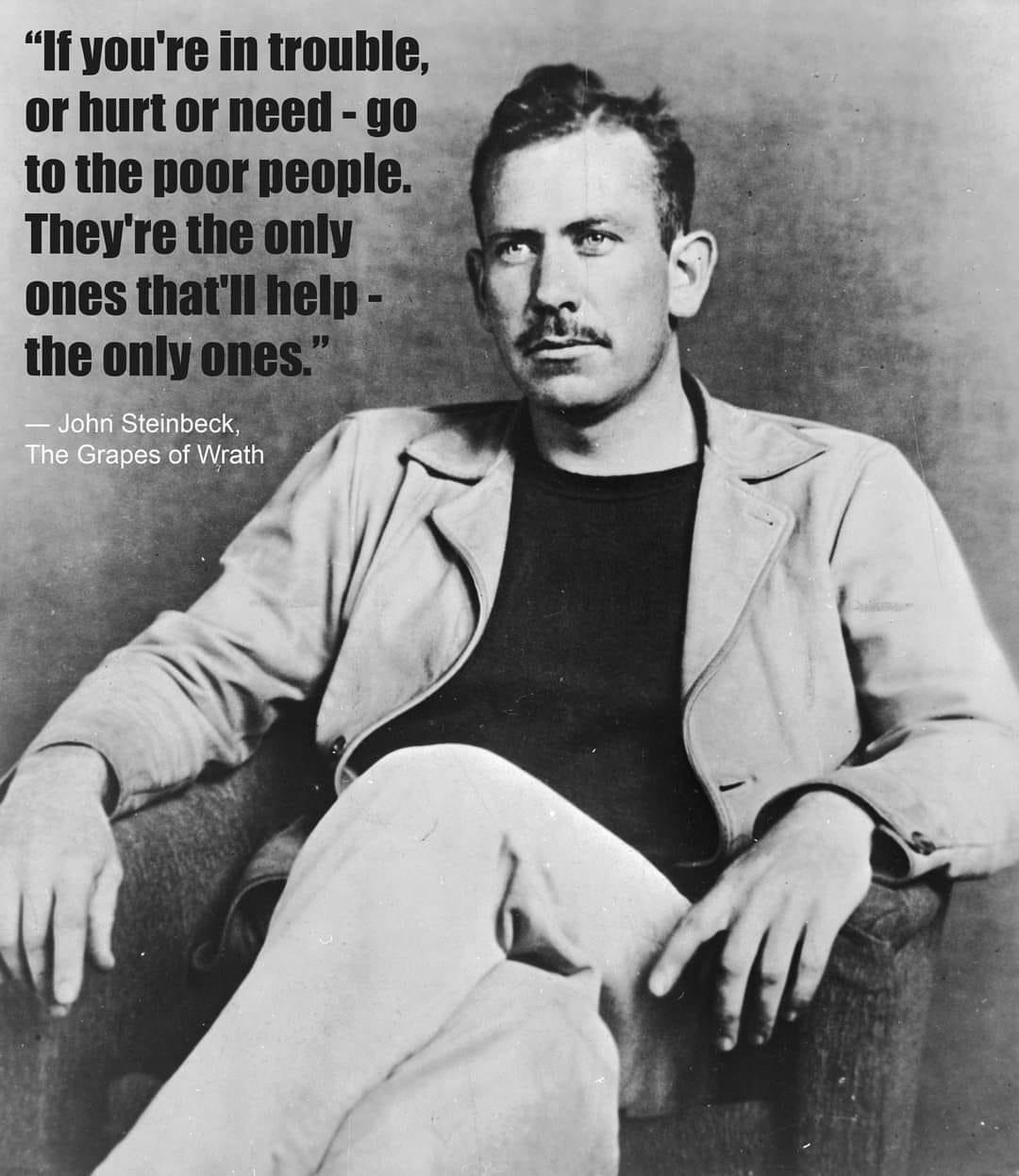
Agents clipped newspaper columns, logged anonymous letters, and summarized rumors about his politics. J. Edgar Hoover himself scrawled irritated notes about Steinbeck. The man who wrote about Dust Bowl migrants was now being watched by the federal government.
The FBI surveilled John Steinbeck because his writing about poverty, labor, and injustice sounded to some like a threat. By the end of this story, you can see how a bestselling novel turned into an FBI file, who pushed the bureau to act, and what that says about American fears of dissent.
What was the FBI’s surveillance of John Steinbeck?
The FBI’s surveillance of John Steinbeck was a series of background checks, informant reports, and internal memos compiled from the late 1930s through the 1950s to assess whether the author was a communist or security risk.
It was not 24/7 tailing with men in trench coats. It was quieter: agents checking his associations, reading complaints from citizens, and summarizing his public speeches and writings. The bureau opened a file, added material over years, and kept Steinbeck on its radar.
In the surviving documents, you see several standard FBI tools of the era:
Agents interviewed people who knew Steinbeck, especially when he was considered for government-related work during World War II.
They collected letters accusing him of communist sympathies, often from angry readers or political opponents.
They cross-checked his name against organizations that Hoover considered “subversive,” such as left-leaning labor and writers’ groups.
Steinbeck was never charged with a crime, and the FBI never proved he was a Communist Party member. The file is more about suspicion than evidence. It shows how, in mid‑20th‑century America, writing bluntly about class and power could be treated as a national security concern. That is the core of why this surveillance matters.
What set it off: Why did The Grapes of Wrath alarm people?
The spark was not Steinbeck’s private life. It was his fiction, especially The Grapes of Wrath, published in 1939.
The novel told the story of the Joad family, Oklahoma farmers driven off their land by drought and debt. They head to California, lured by handbills promising work, only to find brutal conditions, starvation wages, and police violence. Steinbeck did not soften it. He described children dying in migrant camps, sheriffs beating organizers, and growers colluding to keep wages low.
To many readers, this was simply the truth. Steinbeck had spent time in California migrant camps in 1936, talking to workers, taking notes, and publishing earlier articles about their conditions. New Deal reformers used his work to argue for labor protections and social programs.
To others, especially large growers and conservative politicians, the book looked like an attack on capitalism itself.
California agribusiness leaders denounced the novel as “lies” and “communist propaganda.” Some organized public book burnings in California’s Central Valley. Local chambers of commerce funded counter‑reports to discredit Steinbeck’s depiction of migrant life.
Members of Congress weighed in. Representative Lyle Boren of Oklahoma called the book a “dirty, lying, filthy manuscript.” The fact that it won a Pulitzer and then, in 1940, was adapted into a major Hollywood film directed by John Ford only amplified the fury.
In the late 1930s, the United States was already anxious about communism. The Great Depression had shaken faith in the economic order. Labor unions were growing. The Soviet Union loomed as both an ideological rival and, briefly, a potential ally. In that climate, any prominent writer who described class conflict and praised collective action could be tagged as “red.”
Steinbeck’s novel did not call for revolution, but it did say, loudly, that the system was failing millions of Americans. That was enough for his enemies to start whisper campaigns that reached the FBI. Those whispers are what turned a literary success into a security file.
The turning point: From angry letters to an FBI file
So how did angry growers and politicians turn into FBI surveillance?
J. Edgar Hoover’s FBI already had a broad mandate to monitor “subversive” activity. In the late 1930s and early 1940s, the bureau expanded its Domestic Intelligence Division, tracking suspected communists, labor organizers, and left‑wing intellectuals. Hoover was personally obsessed with communism and very sensitive to public criticism.
Steinbeck first brushed against this system when he became more visible politically. During World War II, he wrote propaganda and informational material for the U.S. government, including a script for the Office of War Information and the book The Moon Is Down, about resistance in occupied Europe. Any writer working near government channels triggered routine background checks.
Those checks intersected with a stream of complaints. Private citizens and local officials wrote to the FBI and other agencies claiming Steinbeck was “communist” or “un‑American” because of The Grapes of Wrath and his sympathy for workers. Some accused him of supporting strikes and radical unions.
Hoover’s office took these letters seriously. The bureau opened and maintained a file, collected clippings, and recorded that Steinbeck had associated with some left‑leaning groups and causes. At one point, according to later research into his FBI file, Steinbeck himself became aware of the rumors and wrote to government officials asking, in effect: if I am such a danger, why not arrest me or clear my name?
Hoover was not amused. In one memo, he dismissed Steinbeck as a “leftist” and indicated that the bureau should keep him under observation. The FBI did not launch an all‑out investigation, but it did not close the file either.
By the late 1940s and early 1950s, as the Cold War hardened and McCarthyism took off, Steinbeck’s name continued to appear in the bureau’s internal records. The FBI tracked his public positions, including his criticism of some U.S. policies and his sympathy for the poor and marginalized.
The turning point is that a controversial novel and some angry letters intersected with a security apparatus primed to see communists everywhere. That combination turned literary dissent into a matter of federal concern, which shows how easily cultural debate can slide into state surveillance.
Who drove it: Hoover, critics, and Steinbeck himself
Several groups pushed this surveillance along, each for their own reasons.
J. Edgar Hoover and the FBI
Hoover had built his career on portraying the FBI as the shield against radicalism. He saw communism not just as a foreign ideology but as a domestic conspiracy. In his view, writers, professors, and artists could be as dangerous as spies because they shaped public opinion.
Hoover personally disliked being criticized. When public figures mocked or challenged the FBI, their names often ended up in files. Steinbeck’s sharp public comments about injustice and his occasional jabs at authority did not help.
Business and political enemies
Large California growers and their allies in politics had a direct economic interest in discrediting Steinbeck. If readers believed his portrait of migrant exploitation, they might support unionization, higher wages, or stricter labor laws.
Labeling Steinbeck “communist” was a way to discredit his facts without debating them. In the climate of the 1940s and 1950s, calling someone a communist could close doors, scare publishers, and make government agencies wary of hiring or working with them.
Some of these critics wrote to the FBI or other officials, feeding the idea that Steinbeck was dangerous. The bureau’s file reflects this pipeline from local anger to federal suspicion.
Steinbeck’s own politics
Steinbeck was not a party-line communist, and there is no solid evidence he ever joined the Communist Party USA. He was, however, openly sympathetic to the poor, skeptical of big business, and supportive of some New Deal and left‑leaning reforms.
He attended events and signed petitions that included communists or fellow travelers. In the eyes of Hoover’s FBI, guilt by association was enough to justify a file. Steinbeck’s refusal to soften his views or distance himself from controversial causes kept him on the bureau’s watch list.
These three forces, Hoover’s ideology, his enemies’ campaigns, and Steinbeck’s own choices, combined to sustain the surveillance. That mix shows how personal grudges, economic interests, and genuine security fears can merge into a long‑running watch on a writer.
What it changed: Chilling effects and a wary writer
Did the FBI surveillance change Steinbeck’s life? Not in the dramatic way of a trial or blacklisting, but it did have real effects.
First, there was the background noise of suspicion. Knowing that government agencies might be reading your mail or clipping your speeches can make any writer second‑guess what they say. While Steinbeck continued to publish, his later work often focused more on international themes, war, and personal journeys than on the kind of raw domestic class conflict that defined The Grapes of Wrath.
Second, the broader climate of suspicion affected the entire literary and artistic world. Steinbeck was one of many writers and artists with FBI files in this era. Others included Langston Hughes, Arthur Miller, and even folk singers like Woody Guthrie. The message was clear: if you wrote too bluntly about inequality or praised collective action, someone in Washington might take note.
Third, the existence of the file, revealed later through Freedom of Information Act (FOIA) requests, has shaped how historians read Steinbeck. His FBI file is now used as a source to understand the pressures on mid‑century American writers and the boundaries of acceptable dissent.
On a policy level, the Steinbeck case fed into later debates about the FBI’s domestic intelligence role. In the 1970s, the Church Committee in the U.S. Senate exposed many of the bureau’s abuses, including COINTELPRO operations against civil rights and antiwar activists. While Steinbeck was not a main target of those programs, his file is part of the same pattern of monitoring political and cultural dissent.
The change, then, was less about one man’s ruined career and more about a culture of quiet intimidation. The fact that a Pulitzer‑winning novelist ended up in an FBI file sent a message about the risks of writing honestly about power, which is why the episode matters beyond literary gossip.
Why it still matters: Free speech, dissent, and who gets watched
The FBI’s surveillance of John Steinbeck still matters because it shows how quickly a democracy can treat criticism as a threat rather than a contribution.
Steinbeck wrote about people sleeping in cars, kids going hungry, and sheriffs cracking heads in labor camps. Those were real problems. Instead of only asking whether his reporting was accurate, some powerful interests asked whether he was loyal. The FBI, shaped by Hoover’s fears and by public pressure, leaned into that question.
Today, debates over surveillance and dissent have moved to new technologies. Instead of clipping newspaper columns, agencies can scrape social media. Instead of paper files, there are databases. But the core issue is familiar: when does monitoring cross the line from legitimate security work into political policing?
Steinbeck’s case is a reminder that “subversive” is often in the eye of the beholder. In the 1940s, describing migrant workers as human beings with rights could be framed as subversive. In later decades, civil rights activism, antiwar protest, and environmental campaigns have all been treated, at times, as security problems rather than political arguments.
There is another reason this story sticks. The Grapes of Wrath is now taught in schools and treated as a classic of American literature. The fact that its author once drew the attention of federal agents is a measure of how contested that story was when it first appeared.
The FBI’s file on John Steinbeck is not just a curiosity. It is a case study in how a government reacts when a writer holds up an unflattering mirror to the country. That tension between art and authority has not gone away, which is why a Reddit headline about the FBI and The Grapes of Wrath still catches people off guard.
Frequently Asked Questions
Did the FBI really surveil John Steinbeck?
Yes. Declassified FBI files show that agents collected information on John Steinbeck from the late 1930s through the 1950s, tracking his associations and public statements because of concerns about alleged communist sympathies.
Was John Steinbeck a communist?
There is no solid evidence that John Steinbeck ever joined the Communist Party. He was left‑leaning, sympathetic to workers and the poor, and associated with some progressive causes, which led critics and the FBI to label him a “leftist” or suspect, but not a proven party member.
Why did The Grapes of Wrath cause controversy?
The Grapes of Wrath angered many California growers and conservative politicians because it portrayed migrant workers as exploited and depicted agribusiness and local authorities as abusive. Critics called it communist propaganda, organized book burnings, and pressured officials to act against Steinbeck.
How did we learn about Steinbeck’s FBI file?
Historians and journalists obtained Steinbeck’s FBI file through Freedom of Information Act (FOIA) requests in the late 20th century. The released documents, though sometimes redacted, reveal internal FBI memos, informant reports, and letters that show how and why the bureau watched him.