Picture the American Music Awards in the late 1980s. Bright lights, shoulder pads, hair sprayed into structural defiance of gravity. In one row: Prince, the most guarded, mercurial star in pop. A few seats away: “Weird Al” Yankovic, the accordion-playing court jester of MTV.
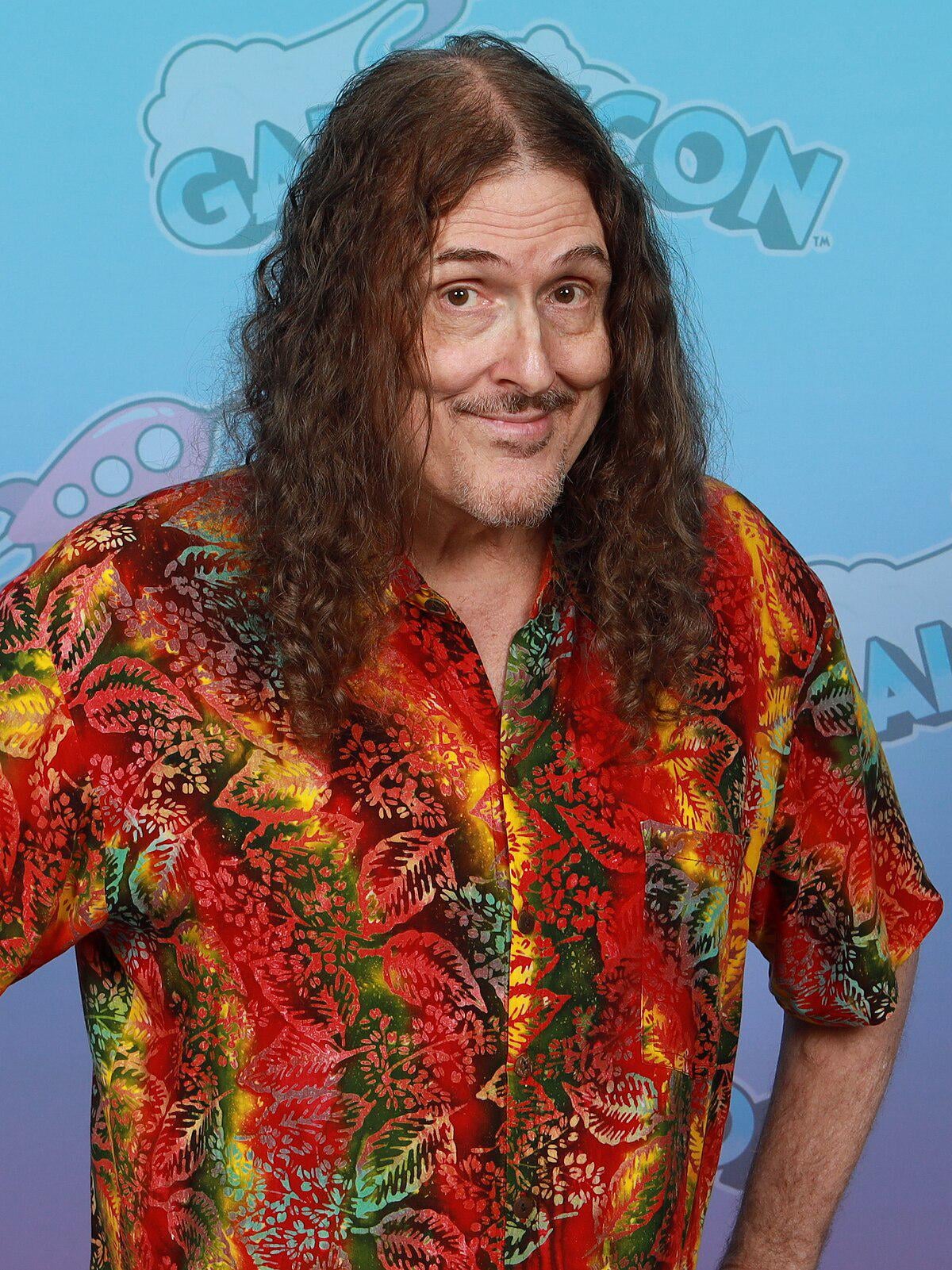
Before the show, Al gets a telegram from Prince’s management. Not a request about rights. Not a legal threat about a parody. A command: do not even make eye contact with Prince.
In real life, Prince never granted Weird Al permission to parody any of his songs. No “When Doves Cry” send-up, no “Purple Rain” food joke, no “1999” about overdue library books. Weird Al has said Prince was the only major artist who always said no.
So what if Prince had said yes?
Weird Al Yankovic parodies depend on artist permission as a business reality, even though U.S. law generally treats parody as protected fair use. Prince’s refusals shaped both of their public images. By flipping that decision, we can see how much one artist’s boundaries changed the tone of 1980s and 1990s pop culture.
How Weird Al’s career works, and why Prince was different
To understand the what-if, you need the ground rules of the real world.
Legally, Weird Al does not need permission to parody a song in the United States. Parody is usually protected under copyright’s fair use doctrine. The Supreme Court confirmed this logic in 1994 in Campbell v. Acuff-Rose Music, a case about 2 Live Crew’s parody of “Oh, Pretty Woman.”
But Weird Al has always played by a different rulebook. As a business and ethical choice, he asks artists for permission before releasing a parody. That keeps relationships friendly, avoids lawsuits in other countries with stricter laws, and preserves his image as a good-natured clown rather than a legal brawler.
Most artists say yes. Michael Jackson approved “Eat It” and “Fat.” Madonna helped spark “Like a Surgeon.” Nirvana’s Kurt Cobain joked that he knew his band had made it when Weird Al parodied “Smells Like Teen Spirit.”
Prince was the outlier. Yankovic has said Prince repeatedly refused every request, from “When Doves Cry” in the mid-1980s to “Let’s Go Crazy” and “1999.” The tone was not playful. The American Music Awards telegram, with its no-eye-contact rule, summed up the distance.
So what? Because Weird Al’s catalog is a shadow history of pop, Prince’s absence created a Prince-shaped hole in that mirror. Filling that gap changes how both men look in hindsight.
Scenario 1: Prince says yes early, and the 80s get a little sillier
Start with the most straightforward alternate timeline. It is 1984. “When Doves Cry” is everywhere. Weird Al, fresh off “Eat It” (released in 1984 and a huge MTV hit), asks for permission to parody Prince’s new smash.
In our world, Prince says no. In this scenario, he shrugs and says fine.
What happens?
First, Weird Al gets a monster target at the peak of MTV’s power. A Prince parody in 1984 or 1985 would likely have landed on the same rotation as “Eat It” and “Like a Surgeon.” The formula was already proven: take a serious, visually striking video and replace it with slapstick, food jokes, and cheap sets.
Prince’s image in the mid-80s was erotic, mysterious, and deadly serious about art. A parody would not have destroyed that, but it would have softened the edges. Viewers would have seen Prince as someone who could take a joke, even if he never personally appeared in the video.
Commercially, Weird Al probably gets a top 40 or at least top 100 single out of it. His biggest hits track the biggest originals. A Prince parody would have been easy radio and MTV bait. That means more album sales for Al and one more pop-culture echo for Prince’s melody.
For Prince, the economics are simple. As long as Al gets the okay, the original songwriter keeps the publishing money from the parody. Michael Jackson made money from “Eat It.” Prince would have collected similar checks. He was famously protective of his masters and publishing, but he also liked money and control. In this world, he gets both.
The cultural shift is more interesting. Prince becomes part of the same shared joke universe as Michael Jackson, Madonna, and later Nirvana. Kids who only half-understand Prince’s sexual drama meet him through a Weird Al skit. Parents who think Prince is too raunchy see him filtered through accordion and polka.
There is a real-world comparison. Coolio initially bristled at “Amish Paradise,” a parody of “Gangsta’s Paradise,” but later made peace with it. The parody did not erase his song’s seriousness. It confirmed that it had become iconic enough to be joked about.
So what? If Prince had said yes in the mid-80s, his public persona tilts a few degrees toward “approachable genius” rather than “untouchable alien.” The wall between him and mainstream pop culture humor cracks earlier.
Scenario 2: Prince embraces parody as brand control
Now push the counterfactual a bit further. Same starting point: Prince says yes to a Weird Al parody in the 1980s. But instead of a one-off, he realizes something: parody can be a tool.
Prince was obsessed with control. He changed his name to an unpronounceable symbol in 1993 to protest his contract with Warner Bros. He wrote “slave” on his face. He fought hard for ownership of his masters. He was early to direct-to-fan distribution and tight control of his catalog online.
In this scenario, Prince notices that Weird Al parodies keep songs alive. “Eat It” kept “Beat It” on TV. “White & Nerdy” in 2006 helped younger fans discover Chamillionaire’s “Ridin’.” A parody is free advertising that does not compete with the original. It points back to it.
So Prince does something very Prince: he tries to curate how he is mocked.
He might insist on script approval or at least on seeing lyrics before signing off. Weird Al has said he shares lyrics with artists as a courtesy, so this is not far-fetched. Prince could request that certain themes be off-limits, like his religious beliefs or specific sexual references, and focus the joke on fashion, dance moves, or the drama of his videos.
He could also time approvals. Imagine a parody of “1999” released in 1998, when the song had a natural nostalgia spike. In our world, Al wanted to do that and was turned down. In this scenario, Prince says yes, knowing that a parody would turbocharge the original’s re-entry into radio playlists and MTV retrospectives.
There is precedent. Some artists lean into parody or memes to control their image. Dolly Parton has long joked about her own look. More recently, artists like Lil Nas X have used internet humor to steer how they are perceived. Prince was not that kind of public jokester, but he was strategic.
Economically, this becomes a feedback loop. Weird Al gets timely, high-profile targets. Prince gets renewed licensing, more streams (in a later era), and a slightly warmer public image. His lawyers still guard the catalog, but parody is a controlled leak valve instead of a hard no.
So what? In this world, Prince’s reputation as a control freak shifts. He is still intense about his art, but fans and journalists see a guy who can pre-approve his own mockery. That makes him look less brittle and gives his catalog more pop-culture oxygen.
Scenario 3: Prince keeps saying no, and Weird Al stops asking
The third scenario is darker and closer to what actually happened, but pushed a bit further.
In reality, Weird Al kept asking Prince for permission over the years and kept getting rejected. He has joked about a “Weird Al vs. Prince” dynamic, but it never turned into open hostility. He simply moved on to other artists.
Now imagine Prince not only refuses but publicly criticizes the idea of parody. Maybe he gives an interview in the late 80s or early 90s saying he finds musical parody disrespectful. Or his team threatens legal action not just against Al but against other comedians, tribute acts, or fan mashups.
Weird Al, who depends on goodwill and access, reacts by drawing a line. He stops even asking Prince. He might tell this story more sharply in interviews: there is one artist who cannot take a joke. Fans pick up the narrative.
By the 1990s and 2000s, when internet culture starts to chew on everything, Prince’s no-parody stance collides with a new reality. Fans are making homemade parodies on YouTube. Memes are forming around “Purple Rain” or “Kiss” whether he likes it or not. His lawyers send takedown notices, as they did in real life for many online uses of his music.
In this scenario, the Weird Al absence becomes symbolic. It is not just that Prince never got the accordion treatment. It is that he is the one major pop icon who seemed allergic to being in on the joke.
That has costs. Younger fans raised on artists who banter on Twitter and laugh at memes might see Prince as a relic of a more rigid star system. His mystique stays intact, but the distance grows. He becomes even more of a “musicians’ musician” and less of a shared cultural toy.
So what? If Prince doubles down on saying no, the Weird Al gap becomes part of a larger story about his resistance to the messier, more participatory side of pop culture. His legend stays big, but his presence in everyday humor and nostalgia shrinks.
Which scenario is most plausible, and what does it change?
Of these three, the most plausible is the first: Prince says yes once or twice in the 1980s, then keeps a cautious distance.
We know Prince could bend when it suited him. He let other artists cover his songs. He wrote hits for others, like “Nothing Compares 2 U” for Sinéad O’Connor. He appeared on “Muppets Tonight” in 1997 and played along with sketches. He was not humorless. He was selective.
A one-time or occasional Weird Al approval fits that pattern. He could have treated a parody as a controlled exception, a favor to MTV or to his label, or a way to ride a wave of attention around a particular single. The no-eye-contact telegram shows how guarded his team could be, but it also shows how aware they were of optics. They knew Weird Al’s presence mattered enough to manage.
Would this have radically changed either man’s career? Probably not.
Weird Al already had huge hits without Prince. “Eat It,” “Fat,” “Like a Surgeon,” “White & Nerdy” and others cemented him as a pop-culture barometer. A Prince parody would have been a jewel in the crown, not the crown itself.
For Prince, the core of his legacy is the music and the live performances. “Purple Rain,” “Sign o’ the Times,” “1999,” “Kiss” and dozens of deep cuts built a reputation that does not depend on whether he ever let someone rhyme “doves” with “gloves” for a cheap laugh.
The change is tonal and generational. A Weird Al parody is a kind of cultural certification. It says: this song is so big that even the class clown has to deal with it. That stamp helped keep Michael Jackson, Madonna, Nirvana, and others in the public’s short attention span longer than they might have been.
If Prince had allowed it, he would show up more often in the goofy nostalgia reels. Kids who met Michael Jackson through “Eat It” might have met Prince through some food-obsessed twist on “When Doves Cry.” That matters for how a legend travels down the decades.
So what? The Weird Al / Prince non-relationship is a reminder that pop history is not just about hits and charts. It is about who lets themselves be part of the shared joke, and who keeps their distance. Change that one decision, and Prince looks a little less like a distant god and a little more like a human who could laugh at his own purple myth.
Frequently Asked Questions
Did Weird Al Yankovic need Prince’s permission to parody his songs?
Legally, in the United States, Weird Al likely did not need Prince’s permission because parody is usually protected as fair use under copyright law. However, as a business and ethical choice, Weird Al has long asked artists for permission before releasing parodies, and Prince consistently refused.
Why did Prince refuse Weird Al’s parody requests?
Prince never publicly gave a detailed explanation, but his career shows a strong pattern of control over his image and music. He was protective of his catalog, wary of how he was portrayed, and often preferred to keep a serious, mysterious persona. Allowing a parody might have felt like giving up control of how his work was framed.
What songs did Weird Al want to parody from Prince?
Weird Al has said he approached Prince multiple times about different songs, including “When Doves Cry,” “Let’s Go Crazy,” and “1999.” None of those requests were approved, so no official Prince parodies were ever released by Weird Al.
Would a Weird Al parody have changed Prince’s legacy?
It would not have changed Prince’s core musical legacy, which rests on his songwriting, performances, and innovation. A parody would more likely have softened his public image, making him seem more approachable and giving younger audiences another way to encounter his music through humor and nostalgia.