Introduction
Hygiene practices are a fundamental part of daily life, yet they vary widely across cultures and eras. In the context of Native American history, understanding how indigenous peoples maintained personal cleanliness, particularly concerning bathroom habits, provides an insightful glimpse into their resourcefulness and adaptation to their environments. This exploration uncovers the diverse methods and materials used by Native Americans for personal hygiene, particularly during the colonial and pre-colonial periods, a time often overlooked in historical narratives.
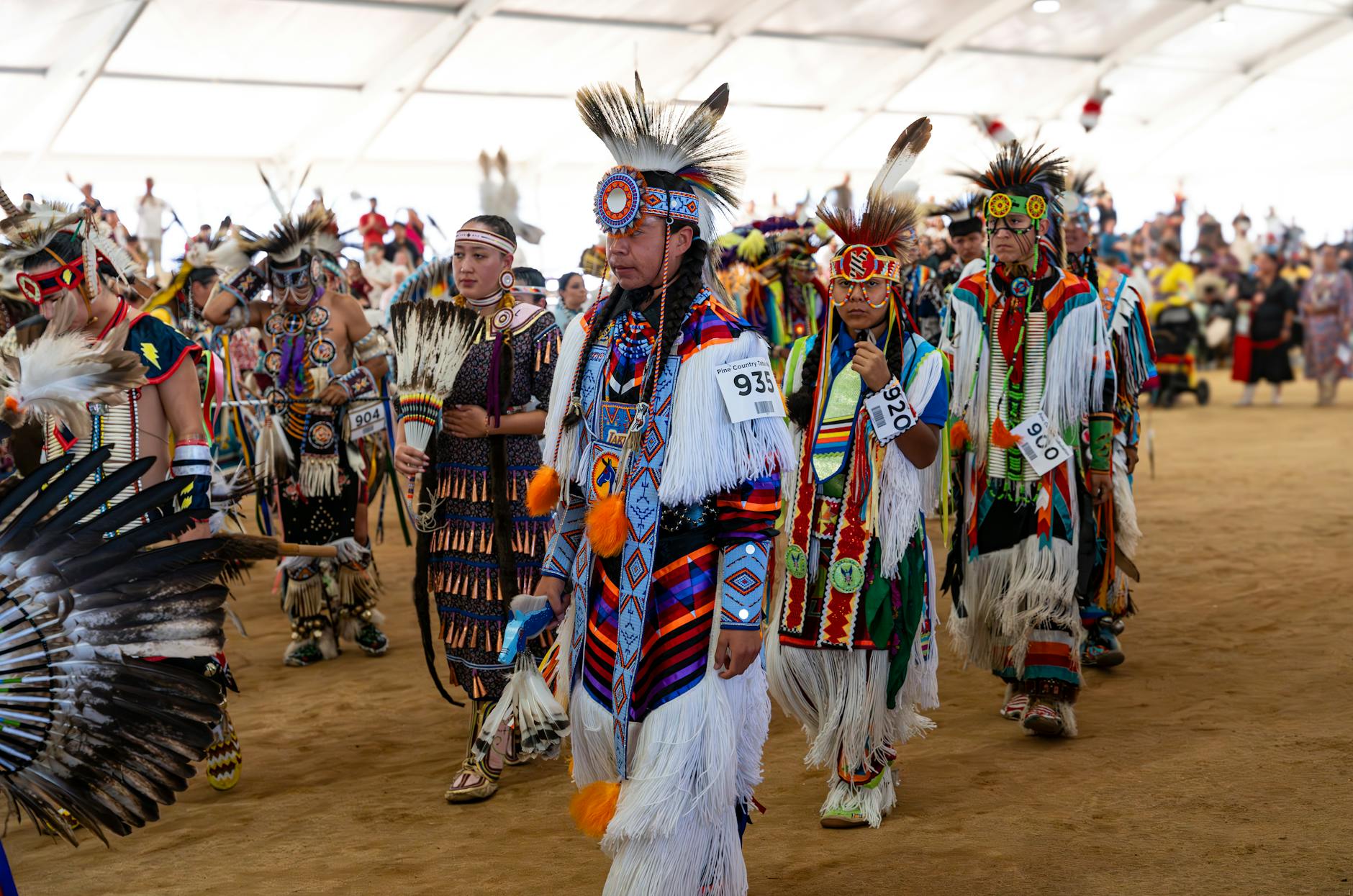
The question of what Native Americans used for personal hygiene, especially given the lack of modern conveniences, is intriguing not only for its practical significance but also for its cultural implications. This discussion highlights the ingenuity and adaptability of Native American societies, emphasizing their deep connection with the natural world. Through this lens, we explore various aspects of their hygiene practices, from materials used to their broader cultural and environmental significance.
Materials Used for Hygiene
Native Americans utilized a variety of natural materials available in their respective environments for personal hygiene. Leaves from plants such as mullein, which are soft and readily available, were commonly used. These leaves were not only soft and absorbent but also biodegradable, making them a practical choice for sanitary purposes.
In some regions, the corn cob was an innovative tool used for cleaning. Once the kernels were removed, the cob’s texture provided a useful scrubbing surface. This method was particularly prevalent in areas where corn was a staple crop, reflecting how indigenous peoples adapted agricultural byproducts for hygiene needs. Additionally, moss was another common material, valued for its absorbency and softness. It was easily gathered in forested areas and served as an effective cleaning material.
In coastal regions, shells were sometimes employed for hygiene purposes. The smooth surface of certain shells made them suitable for gentle cleaning. This practice illustrates the resourcefulness of coastal tribes, utilizing what the ocean provided to meet their daily needs. Each material reflects the diversity of Native American cultures and their ability to innovate with available resources.
Methods of Hygiene Maintenance
Beyond the materials used, the methods of maintaining hygiene varied among Native American tribes, influenced by geographical location and cultural practices. Many tribes practiced regular bathing as part of their daily routine, often in rivers, lakes, or streams. This practice was not only for cleanliness but also held spiritual significance, serving as a ritualistic cleansing.
The use of sweat lodges was another method of maintaining hygiene and health. These structures were built to produce intense heat and steam, which helped cleanse the body of impurities. The sweat lodge ceremony was deeply spiritual, providing a space for physical purification and spiritual renewal. The heat and steam opened pores and allowed for a thorough cleansing, akin to modern sauna experiences.
Personal hygiene also incorporated the use of herbal infusions and smoke baths. Various plants and herbs were used to create infusions for washing or to produce smoke that would cleanse and purify the body. This practice highlights the holistic approach to hygiene, intertwining physical cleanliness with spiritual wellness.
Cultural Significance of Hygiene Practices
The hygiene practices of Native Americans were deeply intertwined with cultural beliefs and values. Cleanliness was often associated with spiritual purity, and many tribes believed that maintaining physical cleanliness was essential for spiritual health. This perspective underscores the holistic nature of Native American cultures, where physical and spiritual well-being were interconnected.
For instance, the use of sweat lodges was not merely a physical cleansing process but a spiritual ritual that reinforced communal bonds and personal introspection. Participants often engaged in prayer and meditation, seeking spiritual guidance and clarity. The communal aspect of these practices reinforced social cohesion and cultural continuity.
Furthermore, the natural materials and methods used for hygiene reflect a profound respect for the environment. Native Americans viewed themselves as stewards of the land, and their practices demonstrated a sustainable approach to living. By using biodegradable and locally sourced materials, they minimized environmental impact and maintained ecological balance.
Impact of European Contact on Hygiene Practices
The arrival of Europeans in America brought significant changes to Native American hygiene practices. Europeans introduced new materials and methods, including cloth and soap, which gradually influenced indigenous practices. However, this contact also led to the spread of diseases, as Europeans often had different standards of hygiene and sanitation.
European settlers noted the regular bathing habits of Native Americans, which contrasted with European practices at the time. While some Europeans adopted these habits, others viewed them with skepticism or disdain, reflecting cultural biases. Despite this, many Native American tribes continued to maintain their traditional practices, integrating new materials where beneficial.
The introduction of trade goods also played a role in transforming hygiene practices. Items like cloth became more accessible, providing an alternative to natural materials. This shift illustrates the dynamic nature of cultural exchange, where indigenous peoples selectively adapted new practices to suit their needs.
Legacy and Modern Relevance
The legacy of Native American hygiene practices is evident in their continued influence on sustainable living and holistic health approaches. Modern movements towards natural and eco-friendly products echo the practices of indigenous peoples, who relied on the environment for their needs.
Today, there is a growing recognition of the value of traditional Native American practices, including their holistic approach to health and hygiene. This appreciation is part of a broader movement towards sustainable living and environmental awareness, drawing lessons from indigenous knowledge and practices.
Furthermore, the resurgence of interest in traditional practices, such as the use of sweat lodges, highlights their enduring cultural significance. These practices are not only preserved within Native American communities but are also shared as part of cultural exchange and education, promoting understanding and respect for indigenous cultures.
Conclusion
The exploration of Native American hygiene practices offers valuable insights into the adaptability and resourcefulness of indigenous peoples. Their use of natural materials and methods reflects a deep connection with the environment and a holistic approach to well-being. While European contact introduced new challenges and influences, the resilience of Native American cultures ensured the preservation and adaptation of their practices.
Today, as we face environmental and health challenges, revisiting these traditional practices provides inspiration for sustainable living and holistic health. By understanding and respecting these historical practices, we honor the legacy of Native American cultures and their contributions to our collective knowledge.
Frequently Asked Questions
What materials did Native Americans use for hygiene?
Native Americans used various natural materials such as leaves, moss, corn cobs, and shells for personal hygiene. These materials were chosen based on availability and practicality, reflecting their resourcefulness and connection to the environment.
How did Native Americans maintain hygiene?
Hygiene was maintained through regular bathing in natural water sources and the use of sweat lodges for cleansing. Herbal infusions and smoke baths were also employed, illustrating a holistic approach to health and cleanliness.
Did European contact affect Native American hygiene practices?
Yes, European contact introduced new materials and methods like cloth and soap, influencing indigenous practices. However, many tribes continued traditional methods, integrating new elements selectively.
What is the modern relevance of Native American hygiene practices?
The focus on sustainable, natural materials and holistic health in Native American practices resonates with modern movements towards eco-friendly living and wellness. These traditional methods offer insights into sustainable practices and holistic health approaches today.