Introduction
The Middle Ages, spanning roughly from the 5th to the late 15th century, was a period of significant transformation across Europe. While many associate this era with knights and castles, it was also a time of fascinating developments in medicine and substances used for both healing and recreation. Alcohol is often highlighted as the primary vice of the time, but what if other substances had played a more prominent role in medieval society? This exploration delves into the potential addictions of the Middle Ages, considering the historical context and implications of various substances that were available during this time.
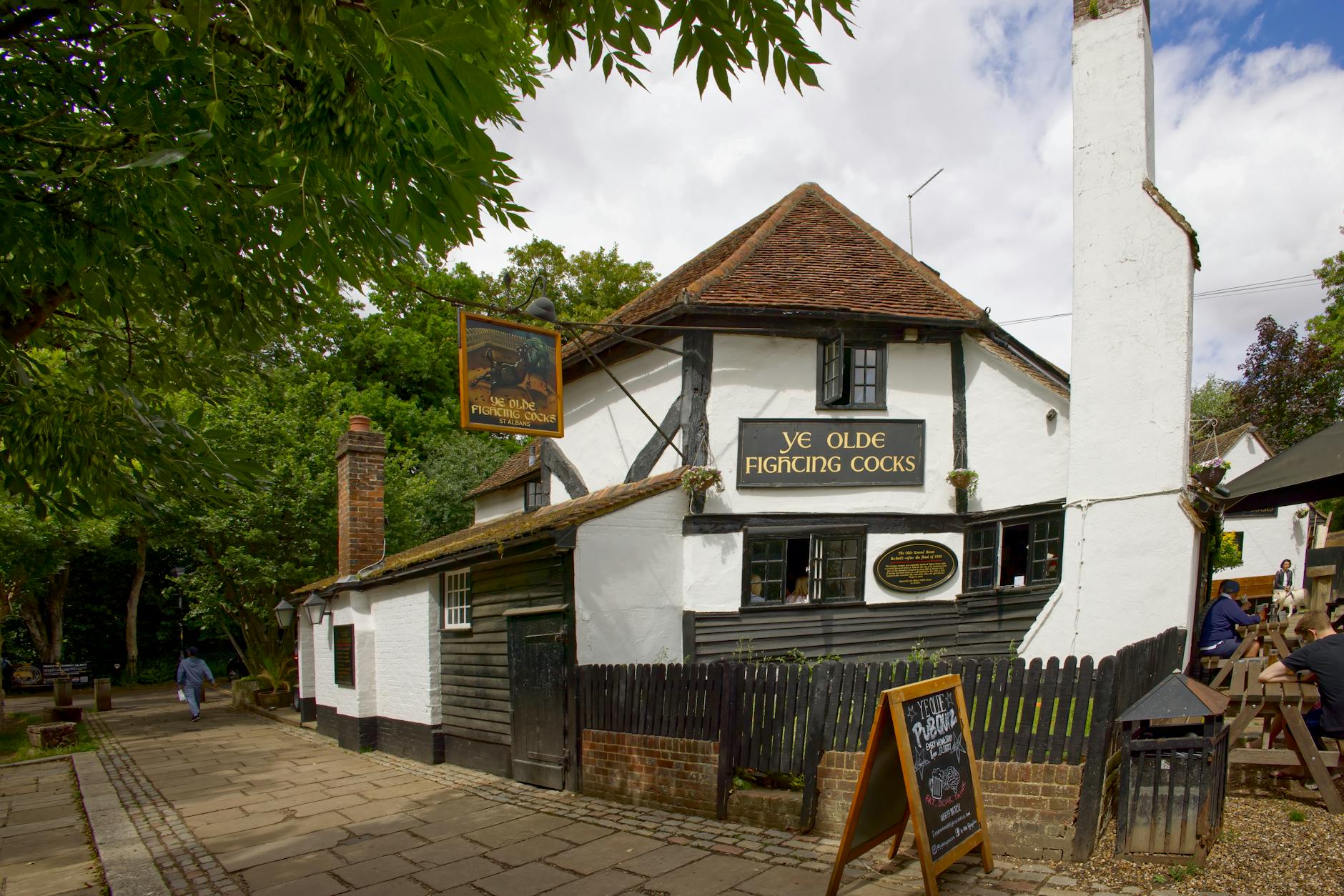
The Role of Alcohol in Medieval Society
Alcohol, particularly in the form of ale and mead, was a staple in medieval diets. Water sources were often contaminated, making fermented beverages a safer alternative. The consumption of alcohol was widespread, cutting across social classes from peasants to royalty. It was not uncommon for individuals to consume several liters of ale daily, given its lower alcohol content compared to modern standards. This habitual consumption sometimes led to dependency, though societal norms often masked it as a cultural norm rather than addiction.
Monasteries played a crucial role in the production and distribution of alcohol. Monks brewed beer and wine, which were integral to religious ceremonies and daily life. This constant availability made alcohol a ubiquitous presence in medieval Europe. If other substances had been equally accessible, the landscape of addiction might have looked quite different.
Opium: The Forgotten Medieval Drug
Opium, derived from the poppy plant, was known in the Middle Ages, primarily for its medicinal properties. It was used to alleviate pain and induce sleep, with references found in various medical texts of the period. The Persian physician Avicenna, whose works were widely studied in medieval Europe, advocated for its use in treating numerous ailments.
Had opium become as prevalent as alcohol, the consequences might have been profound. The addictive properties of opium could have led to widespread dependency, affecting productivity and societal structures. The trade routes from the East, such as the Silk Road, could have facilitated a more significant influx of opium, altering the economic and social fabric of medieval Europe. This scenario suggests a society grappling with the challenges of addiction long before the modern era.
Mandrake and Its Mystical Allure
Mandrake, a plant steeped in myth and legend, was another substance with potential for addiction. Known for its hallucinogenic properties, it was often used in potions and rituals. The roots of the mandrake plant, which resemble human figures, contributed to its mystical reputation. It was believed to have magical powers, including the ability to induce love or cause harm.
In a medieval world where superstition was rampant, widespread use of mandrake could have led to a society deeply influenced by its psychoactive effects. The plant’s use in witchcraft and folklore might have spurred a cultural shift towards mysticism, with addiction blurring the lines between reality and illusion. This dependency could have impacted decision-making at all levels of society, from peasant communities to royal courts.
Cannabis: An Overlooked Medieval Substance
Cannabis, known for its psychoactive and medicinal properties, was present in medieval Europe, though not widely documented as a recreational drug. It was primarily used for its fibers in the production of rope and textiles. However, its potential for addiction cannot be overlooked. Historical texts suggest that it was used in some medicinal concoctions, hinting at its psychoactive use.
Had cannabis been more prominent, it might have competed with alcohol as a common vice. This could have led to a different cultural evolution, with cannabis influencing art, music, and social interactions. The societal acceptance of cannabis might have fostered a more relaxed approach to substance use, potentially altering the course of medieval history.
Historical Context and Significance
The Middle Ages was a period marked by significant social, political, and religious upheaval. The role of substances like alcohol, opium, mandrake, and cannabis must be viewed within this context. Each substance carried its own set of implications, affecting everything from health to trade and cultural practices.
The use of these substances was often intertwined with religious beliefs and practices. Monasteries, as centers of learning and production, controlled much of the alcohol and potentially other substances. The Church’s stance on substance use played a critical role in shaping societal norms. Understanding the historical context of these substances provides insight into the complexities of medieval life and the potential for addiction beyond alcohol.
Legacy and Modern Relevance
The exploration of medieval addictions offers valuable lessons for contemporary society. The historical use of substances like opium and cannabis provides a lens through which we can examine modern issues of addiction and dependency. The patterns of substance use and its societal impact are not confined to the past but resonate with present-day challenges.
Today’s discussions around the legalization and medicinal use of cannabis, for example, echo historical debates about its role in society. The historical context of substance use in the Middle Ages reminds us of the enduring nature of these issues and the importance of understanding their roots. This perspective can inform current policies and attitudes towards addiction and substance use.
Conclusion
The Middle Ages, often romanticized for its chivalry and pageantry, also faced issues of addiction and substance use. While alcohol was the most prominent, other substances like opium, mandrake, and cannabis had the potential to shape medieval society significantly. Exploring these possibilities provides a richer understanding of the era and its complexities. As we reflect on this history, we gain insights into the continuous human struggle with addiction and the societal frameworks that surround it.
Frequently Asked Questions
What substances were commonly used in the Middle Ages?
Alcohol, particularly ale and mead, was widely consumed due to contaminated water supplies. Opium, mandrake, and cannabis were also known for their medicinal and psychoactive properties, though less documented as common recreational drugs.
How did the Church influence substance use in the Middle Ages?
The Church played a significant role, with monasteries controlling much of the alcohol production. Religious beliefs and practices influenced societal norms regarding substance use, often intertwining with the medicinal and mystical uses of various substances.
Were there any laws against drug use in medieval times?
There were no formal laws against drug use as we understand them today. However, societal norms, religious doctrines, and local customs often dictated acceptable behavior regarding substance use.
What is the modern relevance of studying medieval substance use?
Understanding medieval substance use provides insights into current issues of addiction and societal attitudes towards drugs. It highlights the enduring nature of these challenges and the importance of historical context in shaping modern policies and perceptions.