Introduction to Heirloom Gowns
Heirloom gowns are more than just pieces of clothing; they are tangible connections to the past, often passed down through generations as cherished family treasures. These garments hold stories of those who wore them, reflecting personal histories and broader cultural contexts. In an era where fast fashion dominates, heirloom gowns remind us of a time when clothing was crafted with care and intended to last for decades.
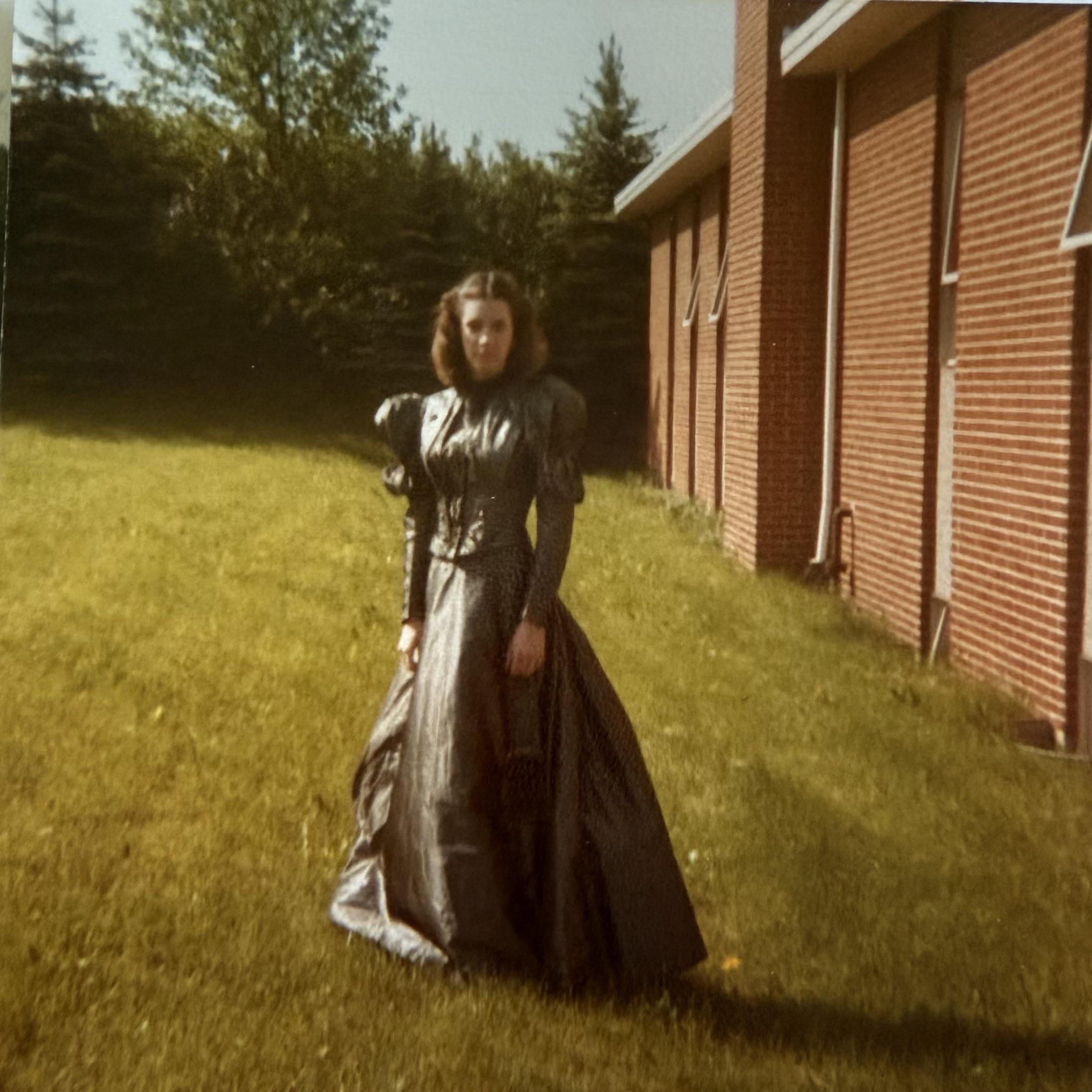
The gown mentioned in the Reddit post, worn by the user’s mother in 1980 and originally belonging to her great-great-grandmother, exemplifies this tradition. Such gowns are often too fragile to wear today, yet they continue to captivate us with their intricate designs and the stories they embody. Understanding the significance of heirloom gowns involves exploring their origins, evolution, and the cultural values they represent.
The Origins of Heirloom Gowns
Heirloom gowns typically originate from the 19th and early 20th centuries, a period marked by significant changes in fashion and society. During this time, gowns were often custom-made by skilled seamstresses or crafted at home with great attention to detail. The fabrics used, such as silk and lace, were chosen for their beauty and durability, ensuring the garments could withstand the test of time.
These gowns were often worn for special occasions, such as weddings, balls, or important family gatherings. They were designed to reflect the wearer’s social status and personal taste, incorporating the latest fashion trends while maintaining a timeless elegance. The craftsmanship involved in creating these garments was meticulous, with hand-sewn embellishments and intricate patterns that required hours of labor.
As families passed these gowns down through the generations, they became symbols of continuity and heritage. Each wearer added their own story to the garment’s history, creating a rich tapestry of personal and familial narratives. This tradition of passing down gowns highlights the importance of family ties and the desire to preserve memories through tangible objects.
Why Heirloom Gowns Endured
The enduring appeal of heirloom gowns can be attributed to several factors, including their craftsmanship, sentimental value, and the cultural significance they hold. Unlike contemporary mass-produced clothing, heirloom gowns were made to last, with high-quality materials and expert construction ensuring their longevity.
Sentimental value plays a crucial role in the preservation of these garments. Families often associate heirloom gowns with significant life events, such as weddings or graduations, making them cherished keepsakes. The emotional connection to these garments encourages families to preserve them, even when they can no longer be worn.
Culturally, heirloom gowns represent a link to the past, offering insights into historical fashion trends and societal norms. They serve as reminders of the craftsmanship and artistry that defined an era, providing a tangible connection to the lives and experiences of previous generations. This cultural significance makes them valuable not only to families but also to historians and fashion enthusiasts.
Key Events in the History of Heirloom Gowns
The history of heirloom gowns is intertwined with key events that shaped fashion and society. The Industrial Revolution, for example, revolutionized textile production, making fabrics more accessible and affordable. This shift allowed more families to invest in high-quality garments that could be passed down through generations.
The Victorian era, known for its elaborate fashion, greatly influenced the design of heirloom gowns. During this period, dresses featured intricate lacework, voluminous skirts, and detailed embroidery, reflecting the era’s opulence and attention to detail. These design elements became hallmarks of heirloom gowns, treasured for their beauty and craftsmanship.
In the 20th century, the rise of ready-to-wear fashion and changing social norms led to a decline in the production of custom-made gowns. However, the tradition of passing down heirloom garments persisted, with many families preserving their gowns as historical artifacts and symbols of family heritage. This continuity underscores the enduring appeal of heirloom gowns and their significance in preserving cultural and familial history.
Key Figures in the Preservation of Heirloom Gowns
The preservation of heirloom gowns owes much to the efforts of individuals and organizations dedicated to maintaining historical fashion. Collectors, historians, and museum curators play a vital role in safeguarding these garments, ensuring they are properly stored and cared for.
Individuals like Doris Langley Moore, a renowned fashion historian, have contributed significantly to the preservation of historical garments. Moore’s extensive collection of historical clothing, now housed in the Fashion Museum in Bath, England, includes numerous heirloom gowns that provide valuable insights into past fashion trends and craftsmanship.
Museums and historical societies also play a crucial role in preserving heirloom gowns. Institutions like the Costume Institute at the Metropolitan Museum of Art in New York and the Victoria and Albert Museum in London hold extensive collections of historical garments, offering the public a glimpse into the fashion of bygone eras. These institutions ensure that heirloom gowns are preserved for future generations, highlighting their cultural and historical significance.
The Consequences of Preserving Heirloom Gowns
Preserving heirloom gowns has several consequences, both positive and challenging. On the positive side, these garments provide valuable insights into historical fashion and craftsmanship, offering a tangible connection to the past. They serve as educational tools, allowing historians and fashion enthusiasts to study the evolution of clothing styles and techniques.
However, preserving heirloom gowns also presents challenges. The delicate nature of these garments requires careful handling and storage to prevent deterioration. Textile conservators must employ specialized techniques to clean and repair these garments, ensuring they remain intact for future study and display.
Despite these challenges, the preservation of heirloom gowns is a worthwhile endeavor. These garments not only enrich our understanding of history but also strengthen familial bonds by maintaining connections to past generations. They remind us of the importance of preserving cultural heritage and the stories embedded within these cherished garments.
The Modern Relevance of Heirloom Gowns
In today’s fast-paced world, heirloom gowns hold a unique relevance as symbols of sustainability and tradition. As consumers become increasingly aware of the environmental impact of fast fashion, the appeal of durable, well-crafted garments has grown. Heirloom gowns exemplify the principles of sustainability, demonstrating the value of investing in quality clothing that can be cherished for generations.
Furthermore, heirloom gowns continue to inspire contemporary fashion designers, who often draw on historical styles and techniques in their work. By incorporating elements of vintage fashion into modern designs, these designers pay homage to the craftsmanship and artistry of the past while creating garments that resonate with today’s consumers.
Heirloom gowns also play a role in preserving family traditions, offering a tangible link to ancestors and their stories. As families pass down these garments, they reinforce connections to their heritage, ensuring that the memories and values of previous generations are not forgotten. In this way, heirloom gowns remain relevant, bridging the gap between past and present.
Conclusion
Heirloom gowns represent a unique intersection of fashion, history, and family tradition. These garments, crafted with care and passed down through generations, offer a tangible connection to the past and a reminder of the enduring value of quality and craftsmanship. As we continue to navigate a world dominated by fast fashion, the lessons embedded in heirloom gowns become increasingly relevant, encouraging us to appreciate and preserve the stories and traditions they embody.
Frequently Asked Questions
What is an heirloom gown?
An heirloom gown is a garment, often a dress, passed down through generations within a family. These gowns are typically made from high-quality materials and feature intricate designs, reflecting the fashion and craftsmanship of their time.
Why are heirloom gowns significant?
Heirloom gowns hold cultural and sentimental value, serving as tangible connections to the past. They provide insights into historical fashion trends and craftsmanship while preserving family traditions and memories.
How are heirloom gowns preserved?
Preserving heirloom gowns involves careful handling and storage to prevent deterioration. Textile conservators may use specialized techniques to clean and repair these garments, ensuring they remain intact for future generations.
What challenges are involved in preserving heirloom gowns?
The delicate nature of heirloom gowns presents challenges in preservation. They require careful storage and handling to avoid damage, and repairs must be made with precision to maintain their historical integrity.