She is staring at the screen, cursor blinking over an unfinished email. Two minutes ago she was wide awake, scrolling, chatting, thinking about dinner. Now her eyelids feel like sandbags. Her head dips once, twice. She jerks awake, embarrassed, alone at her desk. It is 10:43 a.m. She slept fine last night. She is 28, has ADHD, and this is the third time this week her brain has tried to shut down in the middle of something mind-numbingly boring.
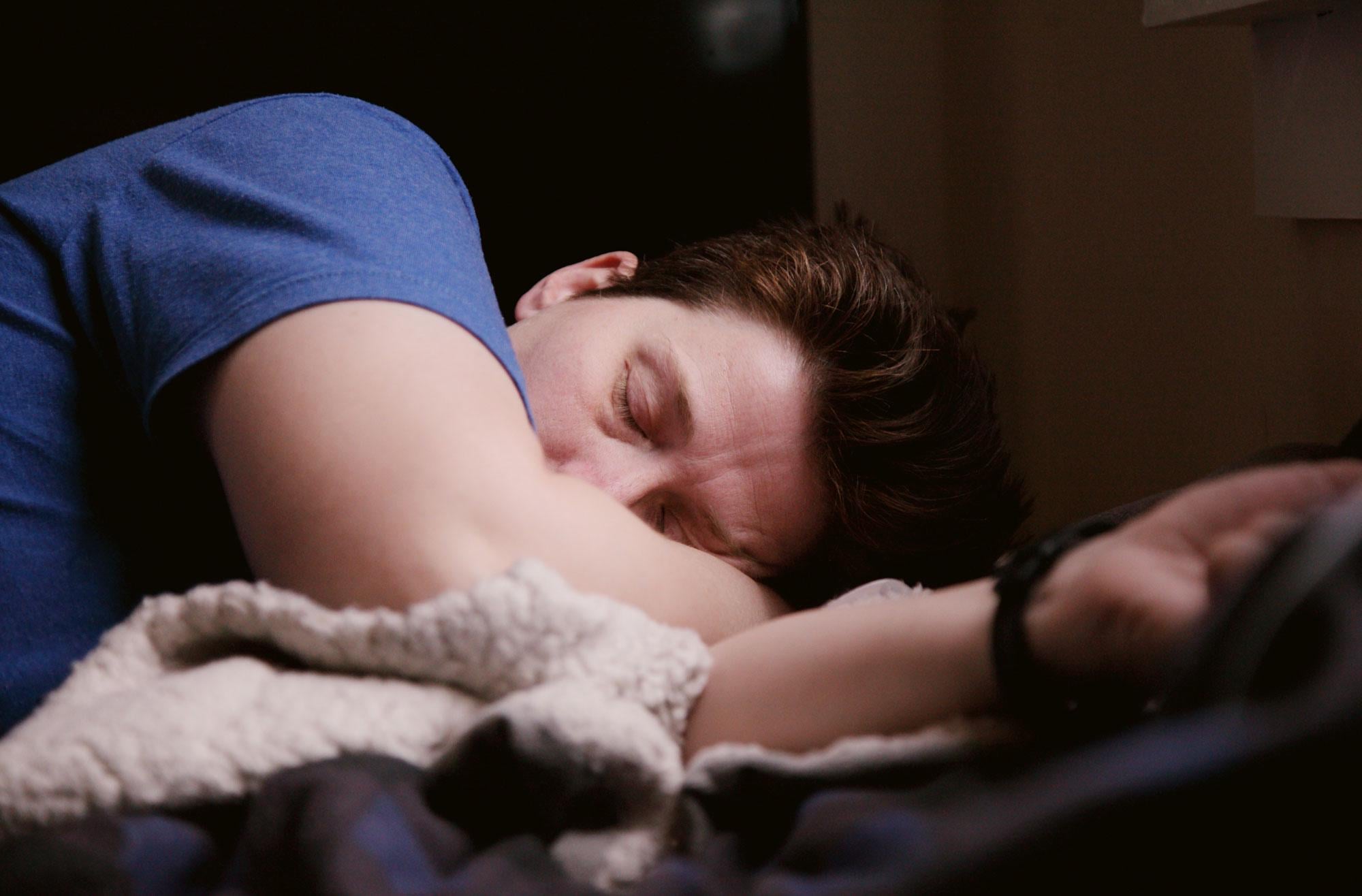
People with ADHD often describe a strange, almost comical pattern: they can stay up until 3 a.m. hyperfocused on a hobby, yet nearly pass out trying to fill out a form, sit through a meeting, or read a dry email. That sudden wave of exhaustion has a name in some clinical and research circles: intrusive sleep.
Intrusive sleep is a phenomenon reported in some people with ADHD where extreme drowsiness, or even brief sleep, hits when interest and engagement collapse. It is not laziness and not just being “tired of it.” It is the brain abruptly disengaging from an uninteresting task, which can trigger a rapid drop in alertness. By the end of this story, we will track where this idea came from, what brain systems are involved, how it overlaps with other sleep disorders, and why it matters for anyone who has ever been told they are just not trying hard enough.
What is intrusive sleep in ADHD, exactly?
Intrusive sleep is not an official diagnostic term in the DSM-5, the main psychiatric manual. You will not see “intrusive sleep disorder” listed under ADHD. Instead, it is a descriptive phrase used by some clinicians and researchers for a pattern they kept hearing from patients: “I suddenly get so sleepy I can barely stay awake, but only in certain situations.”
In this context, intrusive sleep refers to episodes of sudden, overwhelming drowsiness or brief sleep that occur when a person with ADHD disengages from a task they find boring, repetitive, or emotionally flat. It is not the same as nodding off at 3 a.m. after an all-nighter. It can happen in the middle of the day, after normal sleep, and it is tightly linked to loss of interest or stimulation.
One way to phrase it cleanly: intrusive sleep in ADHD is a rapid drop in arousal that appears when the brain stops receiving enough rewarding or stimulating input. The person is not choosing to nap. Their alertness collapses on them.
People describe it in very similar ways. Sitting in a lecture, they feel their mind drift, then suddenly they are fighting to keep their eyes open. Reading a textbook, they wake up with their face on the page. Trying to do taxes, they feel a wave of heaviness in their limbs and a fog that makes even simple math feel impossible.
Clinicians sometimes differentiate between “sleep attacks” in narcolepsy, which can happen out of the blue, and this ADHD-linked drowsiness, which is often tightly tied to boredom or low interest. The science is not fully settled, and some people have both ADHD and narcolepsy, which muddies the water. But the pattern of boredom-triggered drowsiness has been described often enough that it has its own nickname.
So what? Naming this pattern as something real, and not just “being lazy,” changes how people understand their own brains and how clinicians think about treatment.
Why would boredom make someone with ADHD so sleepy?
To understand why intrusive sleep happens, you have to look at how ADHD brains handle arousal and reward. ADHD is not simply a problem of attention. It is a problem of regulating attention and alertness in response to the environment.
Brain imaging and neurochemical studies over the past few decades have pointed to two big systems that matter here: dopamine and the brain’s arousal networks.
Dopamine is a neurotransmitter heavily involved in motivation, reward, and the feeling that something is interesting or worth doing. In ADHD, dopamine signaling in certain brain circuits, especially the prefrontal cortex and striatum, tends to be lower or more erratic. Tasks that are naturally rewarding to many people, like finishing a spreadsheet or listening to a long explanation, may not generate enough dopamine “oomph” to hold attention.
At the same time, the brain’s arousal systems, including structures in the brainstem and hypothalamus, are responsible for keeping you awake and alert. These systems use chemicals like norepinephrine, histamine, and orexin (also called hypocretin) to maintain wakefulness.
In people with ADHD, there is evidence of chronic under-arousal in boring situations. Some researchers describe ADHD as a disorder of “state regulation.” The brain struggles to maintain the right level of alertness for the task at hand. When something is exciting, interesting, or urgent, the system kicks into gear. When something is dull, the system can sag.
Intrusive sleep seems to be what happens when that sag is not just mild. The person’s interest drops, dopamine falls, and the arousal system, already a bit wobbly, lets the wakefulness level crash. The result is a wave of drowsiness that feels physical, not just mental.
There is also a behavioral side. Many people with ADHD use constant micro-stimulation to keep themselves awake: fidgeting, checking their phone, getting up for water, doodling. When those small sources of stimulation are removed, like in a long meeting where they feel watched, the brain loses its scaffolding and slumps toward sleep.
So what? Seeing intrusive sleep as a problem of arousal regulation, not willpower, reframes ADHD from a moral failing to a brain-level struggle with maintaining wakefulness in low-reward situations.
How did doctors start connecting ADHD and sudden drowsiness?
For most of the 20th century, ADHD (or its earlier labels like “minimal brain dysfunction” and “hyperkinetic reaction of childhood”) was framed around hyperactivity and distractibility in kids. Sleepiness did not fit the stereotype of the fidgety boy bouncing off the classroom walls.
Yet even in early case reports, some clinicians noticed odd sleep patterns. Children who were wild during the day crashed hard when bored. Adults described “zoning out” in meetings or while reading. These anecdotes were often brushed aside as personality quirks.
The turning point came as sleep medicine grew into its own field in the late 20th century. Narcolepsy, once thought to be extremely rare, was better recognized. Sleep labs multiplied. Researchers started noticing that a surprising number of patients referred for daytime sleepiness also met criteria for ADHD.
By the 1990s and 2000s, studies were reporting high rates of sleep problems in ADHD: delayed sleep phase, restless legs, fragmented sleep, and daytime fatigue. Some researchers proposed that in at least a subset of people, ADHD might be tied to an underlying problem in the brain’s arousal systems that also affect sleep-wake regulation.
Terms like “intrusive sleep” and “microsleeps” appeared in research on attention and driving. Microsleeps are very brief episodes, often a few seconds, where the brain slips into a sleep-like state while the person’s eyes may still be open. They are well documented in sleep deprivation and in conditions like narcolepsy. In ADHD, similar brief lapses of awareness showed up, especially in monotonous tasks.
Some clinicians started connecting the dots: patients with ADHD who were not sleep-deprived, who had normal overnight sleep studies, still described sudden waves of drowsiness tied to boredom. The idea of intrusive sleep in ADHD was born out of that pattern.
So what? Once doctors started looking for daytime drowsiness in ADHD instead of assuming everyone was just “wired,” they found a whole layer of symptoms that had been ignored and that needed different questions and treatments.
Is this just narcolepsy, or something different?
This is where things get messy. Narcolepsy is a defined sleep disorder characterized by excessive daytime sleepiness, abnormal REM sleep, and in some cases cataplexy, which is sudden loss of muscle tone triggered by strong emotions. It is linked to loss of orexin-producing neurons in the hypothalamus.
ADHD and narcolepsy can look similar from the outside. Both can involve trouble staying awake in boring situations, poor concentration, and forgetfulness. Both can respond to stimulant medications like methylphenidate or amphetamines. Some people are diagnosed with one when they actually have the other. Some have both.
Researchers have found that ADHD is more common in people with narcolepsy than in the general population, and vice versa. There may be shared genetic or neurochemical vulnerabilities. Orexin, for example, influences both wakefulness and reward circuits that involve dopamine.
So is intrusive sleep in ADHD just undiagnosed narcolepsy? Sometimes, yes. There are cases where someone labeled “lazy” or “unmotivated” for years turns out to have narcolepsy once they get a proper sleep study.
But not always. Many people with ADHD and boredom-linked drowsiness do not meet narcolepsy criteria. Their overnight sleep is normal. They do not have cataplexy, sleep paralysis, or abnormal REM patterns. Their drowsiness is tightly tied to low-interest tasks and improves dramatically with ADHD treatment or environmental changes.
The current thinking in the field is that there is a spectrum of arousal regulation problems. On one end, you have classic narcolepsy. On another, you have ADHD with no major sleep issues. In between, you have people with ADHD who experience intrusive sleep in specific contexts but do not have a primary sleep disorder.
So what? Distinguishing intrusive sleep in ADHD from narcolepsy matters because it changes the workup, the medication choices, and how aggressively doctors look for other sleep problems.
Why intrusive sleep gets mistaken for laziness or depression
From the outside, intrusive sleep looks a lot like someone “not caring.” You see a student nodding off in class, an employee zoning out in a meeting, a partner falling asleep during a movie they said they wanted to watch. The easy story is that they are lazy, rude, or checked out emotionally.
Inside the person’s head, the story is very different. Many describe intense frustration and shame. They want to stay awake. They know falling asleep will have social or professional consequences. Yet their body feels like it is shutting down. Fighting it can feel like trying to stay awake after 48 hours without sleep.
Depression complicates things further. Depression can cause fatigue, low motivation, and falling asleep during the day. ADHD and depression often travel together. A bored, sleepy, underperforming adult might get labeled depressed, treated with an antidepressant, and never have their ADHD or arousal issues addressed.
There is also a cultural story about effort. Many societies treat attention and wakefulness as a matter of character. If you really cared, you would pay attention. If you were disciplined, you would not fall asleep in a meeting. That story leaves no room for the idea that a person’s arousal system might simply be wired differently.
Intrusive sleep cuts right into that story. It says: here is a brain that can stay up all night on a creative project yet nearly pass out during a staff briefing. The difference is not morality. It is how the brain’s reward and arousal circuits respond to different kinds of tasks.
So what? Misreading intrusive sleep as laziness or lack of interest can wreck self-esteem, damage relationships, and delay accurate diagnosis by years.
Living with intrusive sleep: risks, workarounds, and treatment
For people who experience intrusive sleep, the stakes are not abstract. There are real-world risks. Falling asleep while driving, even for a few seconds, can be fatal. Nodding off in class can derail an academic career. Zoning out in a meeting can stall a promotion or get someone fired.
Many people with ADHD learn informal workarounds long before they have a name for what is happening. They stand in the back of the room during lectures. They take notes obsessively just to stay awake. They drink too much caffeine. They listen to music while reading. They schedule boring tasks in short bursts and reward themselves with something stimulating afterward.
Once ADHD is diagnosed, stimulant medications often reduce intrusive sleep episodes. By boosting dopamine and norepinephrine, they raise baseline arousal and make it easier to stay awake in low-interest situations. Non-stimulant medications that affect norepinephrine can help some people as well.
But medication is not magic. Sleep hygiene still matters. Many people with ADHD also have delayed sleep phase, meaning their natural clock runs late. They go to bed late, wake up early for work or school, and run a chronic sleep debt. That makes any arousal regulation problem worse.
Good treatment usually involves a mix: optimizing sleep schedules, treating any coexisting sleep disorders like sleep apnea or restless legs, using medication when helpful, and reshaping the environment. That might mean breaking up long tasks, using movement breaks, negotiating for more interactive work, or using tools like timers and apps to keep engagement up.
There is also a psychological piece. Once people understand that their sudden drowsiness is not a moral failure, they can start planning around it instead of just feeling ashamed. They can warn colleagues, “If I start to zone out in long meetings, I may need to stand up or take notes to stay engaged.” They can explain to partners that falling asleep during a movie is not a verdict on the relationship.
So what? Treating intrusive sleep as a real, manageable symptom gives people with ADHD more control over their safety, work, and relationships instead of leaving them to white-knuckle their way through exhaustion.
Why this obscure-sounding symptom matters
Intrusive sleep is not in most ADHD pamphlets. It is not the first thing teachers or parents look for. Yet for many adults with ADHD, it is one of the most disruptive and confusing parts of their daily life.
It matters because it reveals something central about ADHD: this condition is as much about regulating arousal as it is about paying attention. The same brain that cannot stay awake in a boring meeting can laser-focus for hours on a favorite hobby. That contradiction has led generations of people to be told they are faking, lazy, or just not disciplined. Intrusive sleep shows that the contradiction is baked into how their brain’s reward and wakefulness systems work.
It also matters for safety. Recognizing that someone with ADHD is at higher risk of drowsiness in low-stimulation situations can change how they approach driving, late-night shifts, or long-haul tasks. It can prompt proper sleep evaluations that catch conditions like narcolepsy or sleep apnea hiding behind an ADHD label.
And it matters for self-understanding. Many adults read about intrusive sleep and feel a jolt of recognition: “So that is why I kept falling asleep in lectures even when I cared. That is why I could not stay awake in church as a kid. That is why I crash during Zoom calls.” Naming the pattern does not fix it. But it replaces shame with a more accurate story about what their brain is doing.
So what? Intrusive sleep turns a Reddit curiosity into a window on how ADHD really works, forcing medicine, workplaces, and families to rethink where effort ends and neurobiology begins.
Frequently Asked Questions
What is intrusive sleep in ADHD?
Intrusive sleep in ADHD refers to sudden, intense drowsiness or brief sleep episodes that appear when a person loses interest in a task or is stuck in a boring, low-stimulation situation. It is linked to how ADHD brains regulate arousal and reward, not to laziness or lack of willpower.
How is intrusive sleep different from narcolepsy?
Narcolepsy is a defined sleep disorder with excessive daytime sleepiness, abnormal REM sleep, and sometimes cataplexy. Intrusive sleep in ADHD is usually tied specifically to boring or unstimulating tasks and often improves with ADHD treatment and environmental changes. Some people have both conditions, so a sleep specialist may be needed to sort them out.
Why do people with ADHD get sleepy when they are bored?
In ADHD, the brain has trouble regulating arousal. When a task is boring or unrewarding, dopamine and other arousal signals drop. For some people, that drop is so steep that they feel overwhelming drowsiness. It is a brain-based problem with maintaining wakefulness in low-interest situations.
Can intrusive sleep in ADHD be treated?
Yes. Stimulant and some non-stimulant ADHD medications often reduce intrusive sleep by raising baseline arousal. Good sleep habits, treating any other sleep disorders, breaking up boring tasks, adding movement or stimulation, and adjusting work or school environments can all help. A proper medical evaluation is important to rule out conditions like narcolepsy or sleep apnea.