Boudica burned Roman London to ash. What if her revolt had actually driven Rome out of Britain? Three grounded scenarios and what they’d change.

Boudica burned Roman London to ash. What if her revolt had actually driven Rome out of Britain? Three grounded scenarios and what they’d change.
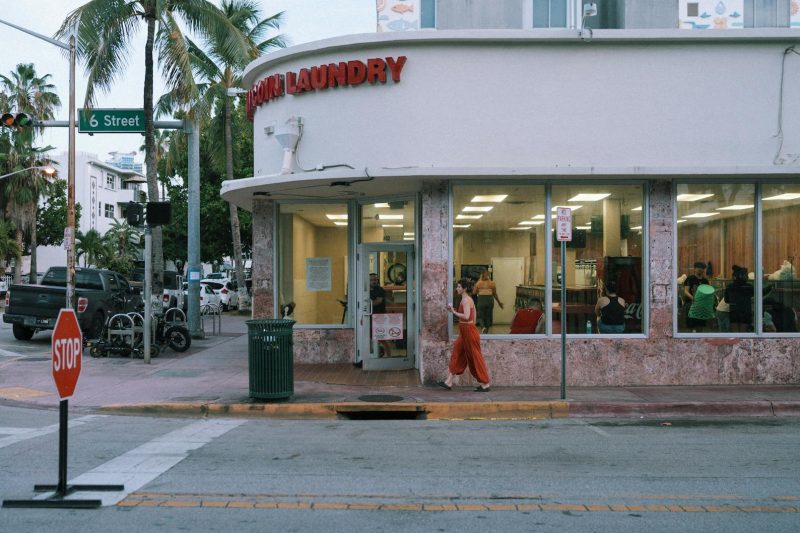
Tree rings, ice cores, and chronicles reveal how volcanic eruptions in 536–547 AD triggered a “Late Antique Little Ice Age” that deepened Rome’s long crisis.

A counterfactual history of Piggly Wiggly: what if the original self-service supermarket chain had dominated U.S. grocery retail instead of fading into the background?
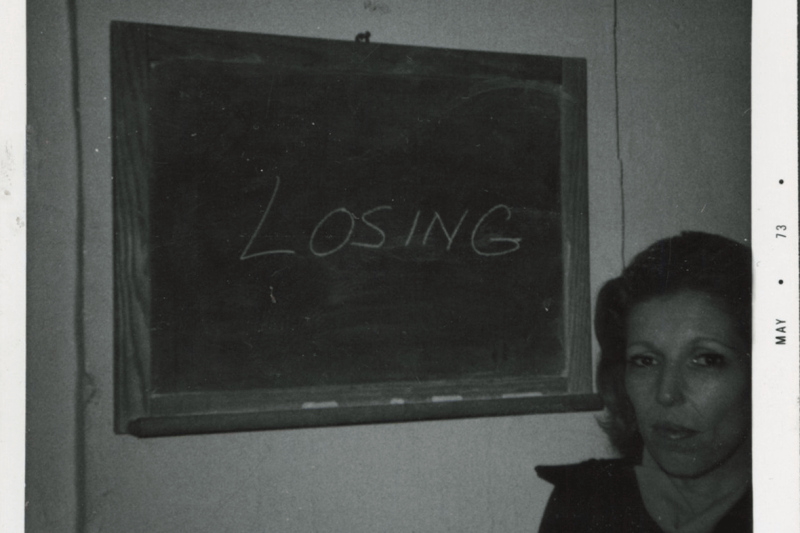
In 1973, a conceptual art project asked suburban Long Island women their greatest fear. Their answers capture second-wave feminism, crime panic, and quiet revolt.
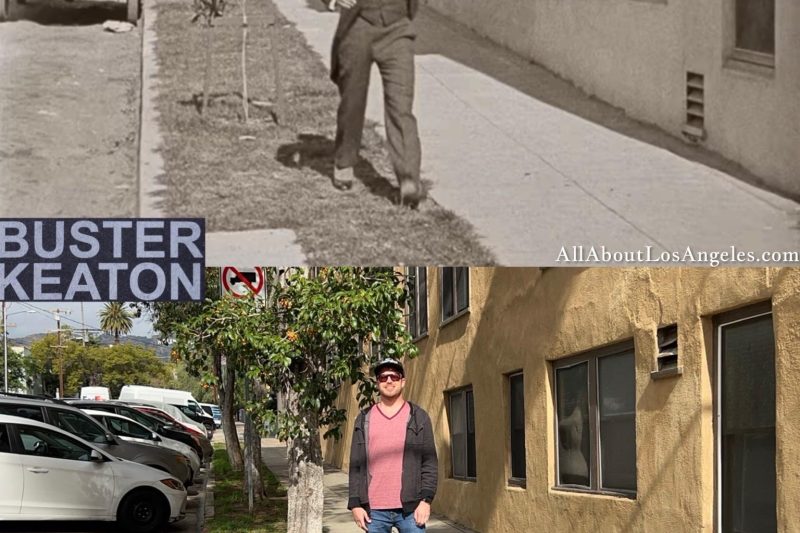
What was Buster Keaton’s 1925 film Seven Chances? How was it made, why did the boulder chase happen, and what did it change in Hollywood comedy?
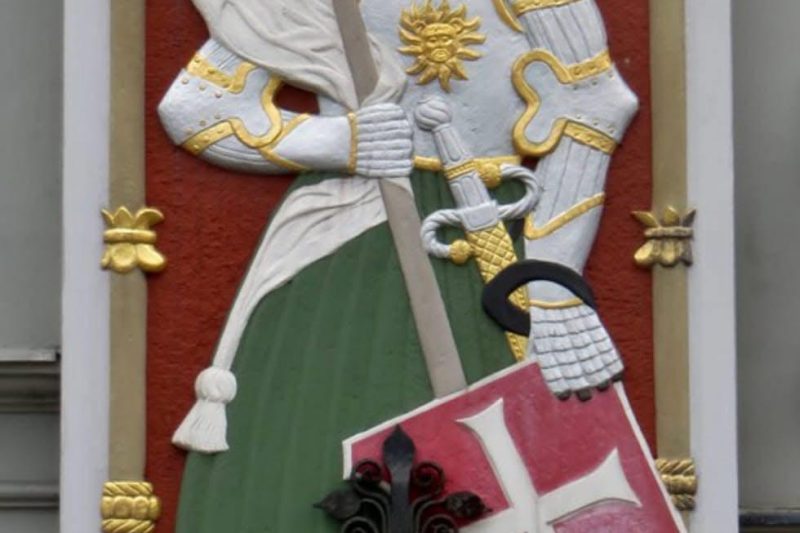
The story of Raimondo de’ Cabanni, a former African slave who rose to become a knight, court insider, and landholder in 14th‑century Angevin Naples.
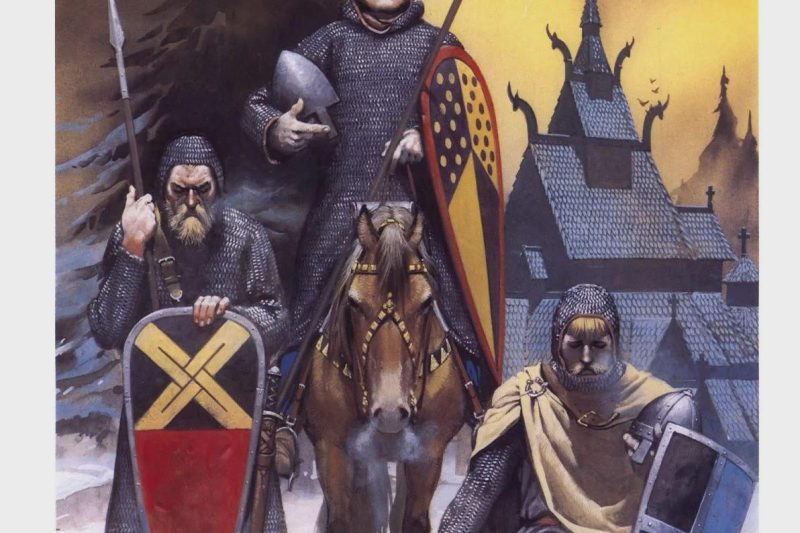
Scandinavia did not vanish after the Viking Age. Denmark, Norway, and Sweden stayed influential through crusades, trade, dynastic unions, and Baltic expansion.
Why does a 1974 Los Angeles street scene look so much like LA today? A comparison of origins, methods, outcomes, and legacy of life in the city then and now.
Why do some American evangelicals now say empathy is a sin? A history of Calvinism, culture wars, and how “compassion” got redefined in U.S. Christianity.
Edgar Allan Poe married his 13-year-old cousin in 1836. How weird was that for the time? A clear look at age, cousin marriage, law, and social norms.