They look similar because the bones of Los Angeles have barely changed.
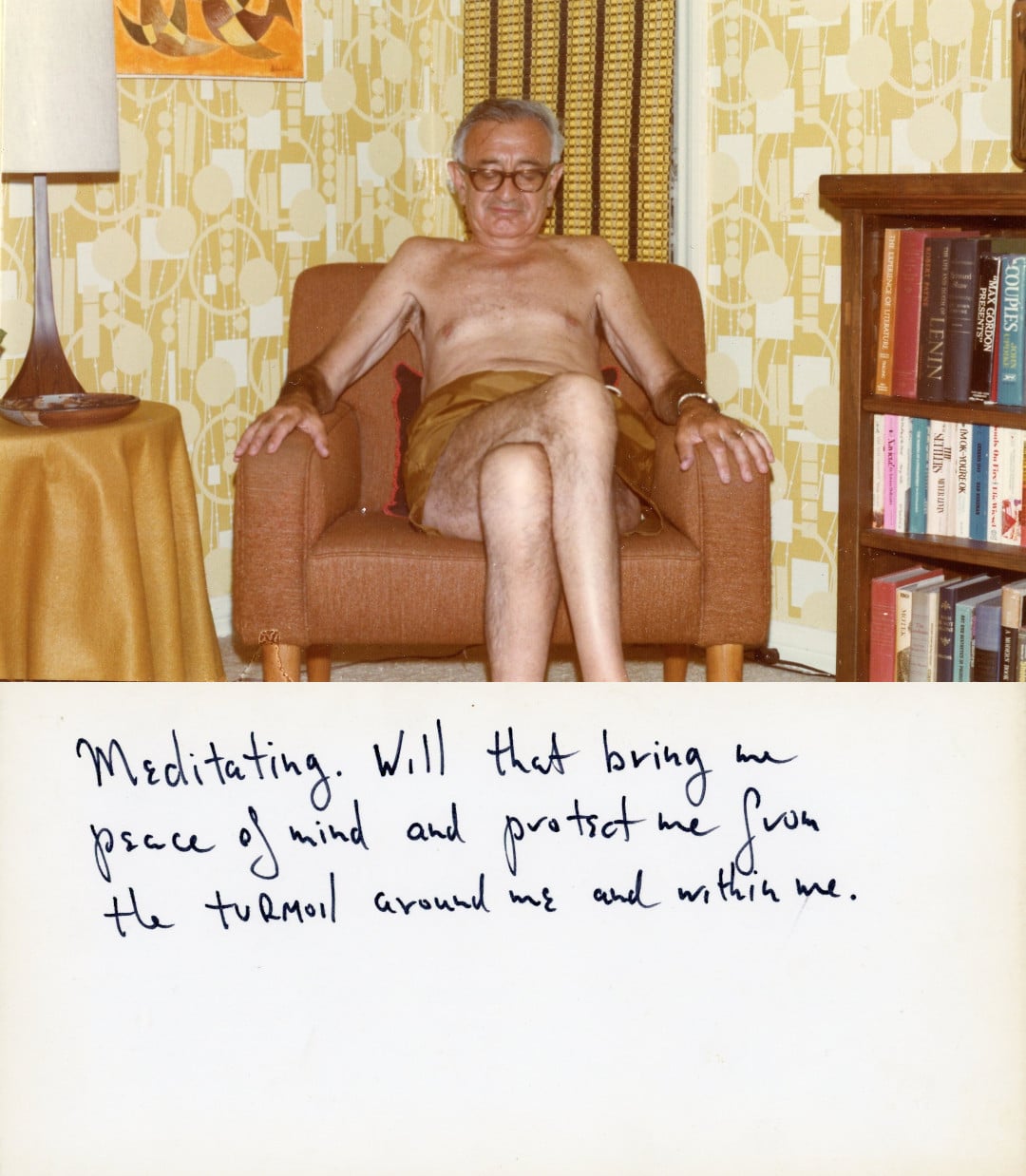
Scroll past that Reddit photo of “My dad in LA, 1974” and you could mistake it for a modern Instagram shot. Low-slung buildings. Wide streets. Palm trees. A guy in casual clothes leaning against a car. Swap the film grain for a phone filter and the scene feels almost contemporary.
What happened is simple: Los Angeles in the 1970s locked in a way of building and living that still shapes the city today. The clothes, the cars, the prices, the crime rates have shifted. The basic frame has not.
Los Angeles in 1974 was a car-first, low-rise, sun-drenched metropolis built on cheap land and cheap gas. Los Angeles today is a more crowded, more expensive version of the same skeleton. The city’s physical form has outlived the era that created it.
To see why that Reddit photo feels both old and familiar, you have to compare two LAs on four fronts: where they came from, how people lived, what that produced, and what it left behind.
Origins: How 1970s LA and modern LA came to look alike
By 1974, the Los Angeles in that photo was already the product of half a century of decisions. The freeways were mostly finished. The postwar suburbs had filled the San Fernando Valley. Single-story commercial strips lined major streets from Hollywood to the ocean.
In the 1950s and 1960s, Los Angeles planners and politicians bet hard on cars. They tore out streetcars, widened roads, and zoned huge swaths of the city for single-family homes. Oil was cheap, land seemed endless, and the region sprawled outward instead of upward.
That is why a random 1974 street scene looks like a random 2024 street scene. The grid, the lot sizes, the one- and two-story buildings, the parking lots in front of everything, were already locked in. The city’s basic shape was finished before most of today’s Angelenos were born.
Modern LA’s origin story is less about new construction and more about inertia. From the 1980s onward, resistance to dense housing, fear of traffic, and layers of zoning rules made it hard to change that 1970s form. New apartments tended to cluster in a few corridors while most neighborhoods stayed frozen in their midcentury layout.
So the same wide boulevard that carried a 1974 Chevy Nova now carries a 2024 Toyota Prius. The same one-story strip mall that once housed a TV repair shop now has a vape store and a nail salon. The facades change. The frame does not.
Los Angeles looks similar across decades because its car-based, low-rise structure was largely built by the early 1970s and then protected from major change by zoning and politics.
That Reddit dad’s photo feels familiar because we are still living inside the physical decisions his generation inherited and then passed on. The origin story of 1970s LA is the origin story of modern LA, so what?
Methods: How people moved, dressed, and documented life
In 1974, a young guy in LA might have been photographed on Kodachrome by a friend with a 35mm camera. The captions, like the Reddit post says, were written by him at the time. Maybe on the back of the print. Maybe in a photo album. The audience was family and a few visitors, not thousands of strangers online.
Today, his child posts the same image to Reddit, and the world weighs in. The method of documenting life has flipped. The photo is the same. The context is not.
Transport methods show a similar mix of continuity and change. In 1974, LA was already one of the most car-dependent cities in the world. The average household owned at least one car, often two. Freeway traffic was heavy, but not the grinding all-day congestion Angelenos complain about now.
Public transit existed, but it was mostly buses. The last streetcars had vanished in the early 1960s. The modern Metro Rail system did not open its first line until 1990. So the dad in that photo almost certainly got there by car.
In 2024, his kid might reach the same corner the same way. By car. The city has spent billions on rail lines, but the overwhelming majority of trips are still by private vehicle. Rideshare apps have replaced hitchhiking and some taxis, but the basic habit is unchanged: you drive.
Clothes tell a subtler story. The 1974 LA look was relaxed: flared jeans, T-shirts, open collars, maybe long hair and sideburns. The climate and the film industry encouraged a casual style that made office workers and musicians look oddly similar on the street.
Today’s LA fashion is still casual, but more fragmented. Sneakers that cost more than a 1970s used car. Athleisure. Vintage tees that might actually be from that era. In photos, though, the shared elements are strong enough that a 1974 outfit often reads as “retro cool” rather than “ancient.”
Photography methods are the sharpest contrast. In 1974, every shot cost money and effort. Film, processing, prints. You chose your moments. In 2024, phones fire off dozens of images in seconds. Filters mimic the old film grain that the original photographer had no choice about.
Film photos from the 1970s and digital photos today can look similar because both capture the same built environment, but the way they are taken and shared reflects a shift from private memory to public performance.
The methods of moving through and recording LA life changed from analog and selective to digital and constant, yet the streets and habits around cars stayed so steady that the images rhyme across time, so what?
Outcomes: What life in LA felt like then vs now
Behind that easygoing 1974 snapshot was a city with very different pressures than today. Housing was cheaper relative to income. A single breadwinner with a decent job could often afford a modest house in the Valley or a small apartment near the beach.
Median home prices in Los Angeles County in the mid-1970s were roughly three times the median household income. By the 2020s, that ratio in many neighborhoods had climbed to seven or eight times income, sometimes higher. The same bungalow that a 1974 dad bought on a machinist’s salary might now be out of reach for his college-educated children.
Crime was on a different curve too. In 1974, LA was in the middle of a long national rise in crime that would peak in the early 1990s. Car theft, burglary, and violent crime were all higher than they are in the early 2020s, though the exact neighborhood picture varied widely.
Yet the photo culture of the time did not dwell on that. Family snapshots focused on cars, trips, new apartments, and nights out. Reddit users today often react with nostalgia to those images, forgetting that the era carried its own anxieties: the oil crisis, the Manson murders still fresh in memory, the Patty Hearst kidnapping, the end of the Vietnam War.
Economically, LA in 1974 was still a manufacturing and aerospace powerhouse. The city made things: airplanes, cars, electronics. The entertainment industry was large but not yet the dominant symbol of the region’s economy. A kid in that photo might expect to get a union job at a plant and retire on a pension.
Modern LA is tilted toward services, entertainment, and tech. The factories are fewer. The jobs are more polarized, with a lot of low-wage service work and a smaller number of very high-paying creative or tech roles. The same street corner might now be surrounded by gig workers delivering food to people streaming shows produced a few miles away.
Socially, the city has grown more diverse. LA County’s Latino and Asian populations expanded significantly from the 1970s onward. Neighborhoods that were mostly white in that Reddit photo era are now mixed or majority nonwhite, while some historically Black or Latino areas face gentrification.
Life in 1970s Los Angeles was more affordable and more industrial, with higher crime and fewer screens, while life in modern LA is more expensive, more service-based, and more digitally mediated.
The outcome is that the same physical backdrop now holds very different economic and social pressures, which is why a carefree 1974 image can trigger both envy and disbelief from people squeezed by 2020s LA, so what?
Legacy: What 1970s LA left to its future self
The biggest legacy of 1970s LA is not a look. It is a set of limits.
The city’s commitment to single-family zoning, wide roads, and car dependence created a pattern that is hard to escape. Every attempt to add housing or transit now has to fight against rules and expectations baked in by the time that Reddit dad posed for his picture.
Those 1970s choices also shaped the climate story. A region built around long car commutes and energy-hungry sprawl locked in high emissions. Later generations inherited that carbon bill. Efforts to expand transit, encourage density, or build bike lanes are partly efforts to unwind decisions made when gas cost under 60 cents a gallon.
Culturally, though, the 1970s gifted LA a powerful myth. The era of palm trees, muscle cars, and hazy sunsets became the visual shorthand for “Los Angeles” in movies and TV. Directors still use that look when they want to signal freedom, youth, or a slightly dangerous cool.
That is why a random family photo from 1974 can go viral in 2024. It matches the cinematic image of the city that people carry in their heads. The dad in the picture was just living his life. Decades later, strangers project an entire idea of LA onto his afternoon.
The legacy is personal too. Those handwritten captions on the back of prints become a time machine. They fix names, dates, and feelings that would otherwise vanish. When his child posts the photo, they are not just sharing a face. They are sharing a record of how someone once saw themselves in that city.
1970s Los Angeles left behind a physical city that resists change and a visual myth that still shapes how the world imagines LA.
That double legacy means we live in a city that looks like its past but struggles with problems that past helped create, so what?
Why old LA photos feel both familiar and foreign
People on Reddit often react to 1970s LA photos with the same mix of awe and confusion. “It looks the same.” “Everyone looks older.” “The air looks dirtier.” “Where are all the phones?”
They are picking up on two truths at once. The built environment is stable. The people and their tools are not.
Smog in 1974 was worse than it is today. Regulations and cleaner engines have cut many pollutants. Yet the brownish haze in those photos has become part of the “vintage LA” aesthetic, so viewers read it as mood rather than health hazard.
People in 1970s photos often look older to modern eyes because of hair, facial hair, and fashion. A 22-year-old with a mustache, sideburns, and a collared shirt reads as “grown man” in a way that a 22-year-old in a hoodie and sneakers might not. The age difference is in our expectations, not their birth certificates.
Phones are the invisible gap. In 1974, nobody in that shot is staring at a screen. Their posture, their attention, their hands are different. That absence is part of why the images feel so relaxed. Life was not calmer. It just was not constantly recorded.
When you compare 1970s LA to modern LA across origins, methods, outcomes, and legacy, the reason those Reddit photos hit so hard becomes clear. The city is familiar enough to feel like home, but different enough to feel like a lost chance.
We are looking at a version of Los Angeles where the roads, the sun, and the palm trees are the same, but the air is dirtier, the houses are cheaper, the crime is higher, and the future feels both wider and more uncertain.
The dad in LA, 1974, could not know that his casual snapshot would one day be broadcast to millions. Yet his photo is now part of the city’s memory. It is evidence that the LA we think we know has been here a long time, and that the hardest thing to change about a city is not its skyline. It is its habits.
That is why 1970s LA and modern LA look so similar. We are still living inside his frame.
Frequently Asked Questions
Why do photos of 1970s Los Angeles look so similar to today?
Photos of 1970s Los Angeles look similar to today because the city’s basic structure was already in place by then. The car-based street grid, low-rise buildings, and wide boulevards were built in the mid-20th century and have changed slowly due to zoning rules and political resistance to dense development.
Was life in 1970s LA really cheaper than now?
Yes, housing and everyday costs were generally cheaper relative to income in 1970s LA. Median home prices were around three times median household income, compared to ratios of seven or eight times income in many parts of today’s LA. Wages for industrial and union jobs also supported a middle-class lifestyle that is harder to reach now.
How did people get around Los Angeles in the 1970s?
People in 1970s Los Angeles relied heavily on cars, much like today. The freeway system was largely complete, and most households owned at least one car. Public transit was mostly buses, since the old streetcar network had been removed and the modern Metro Rail system did not yet exist.
What changed most in LA between the 1970s and today?
The biggest changes are economic and social rather than visual. Housing has become far more expensive relative to income, manufacturing jobs have declined while service and entertainment jobs grew, crime rates have fallen from their late-20th-century peak, and the region has become more diverse. The city’s physical look stayed relatively constant while the pressures on residents intensified.